
More than 50 years after its release, *Led Zeppelin IV* remains a towering monument in rock history — an album shrouded in mystery, urban legends, and unforgettable music.
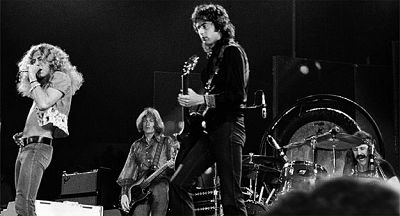
While millions have marveled at the iconic “Stairway to Heaven,” there are lesser-known facts and fascinating behind-the-scenes stories that continue to captivate fans and historians alike.
Here are 10 overlooked secrets about *Led Zeppelin IV* that reveal just how much magic and mystery went into making this legendary record.
You love the sound of *Led Zeppelin IV*, right? Well, the truth is the final mix that hit the shelves wasn’t what the band originally envisioned.
Jimmy Page, the band’s meticulous producer and guitarist, mixed the album at Sunset Sound Recorders in Hollywood using state-of-the-art gear.
However, when he returned to England and played the mixes for the band, everyone was shocked — the tapes sounded muddy and cluttered, far from the clarity and power they expected.
The cause remains uncertain, but the band scrapped the planned release and Page remixed the album from scratch while juggling touring.
The original LA mixes surfaced years later in deluxe editions, revealing a brighter, more dynamic sound that was lost in the final version.
Unlike other Led Zeppelin albums, there are almost no photos of the band inside the studio during the recording of *Led Zeppelin IV*.
No shots of microphones, amps, or John Bonham behind the drums survive.
This absence feeds the myth of Jimmy Page as an alchemist-like perfectionist fiercely guarding his production secrets.
The band was moving too fast to stop for photos, but this scarcity of imagery adds to the album’s aura of mystery.
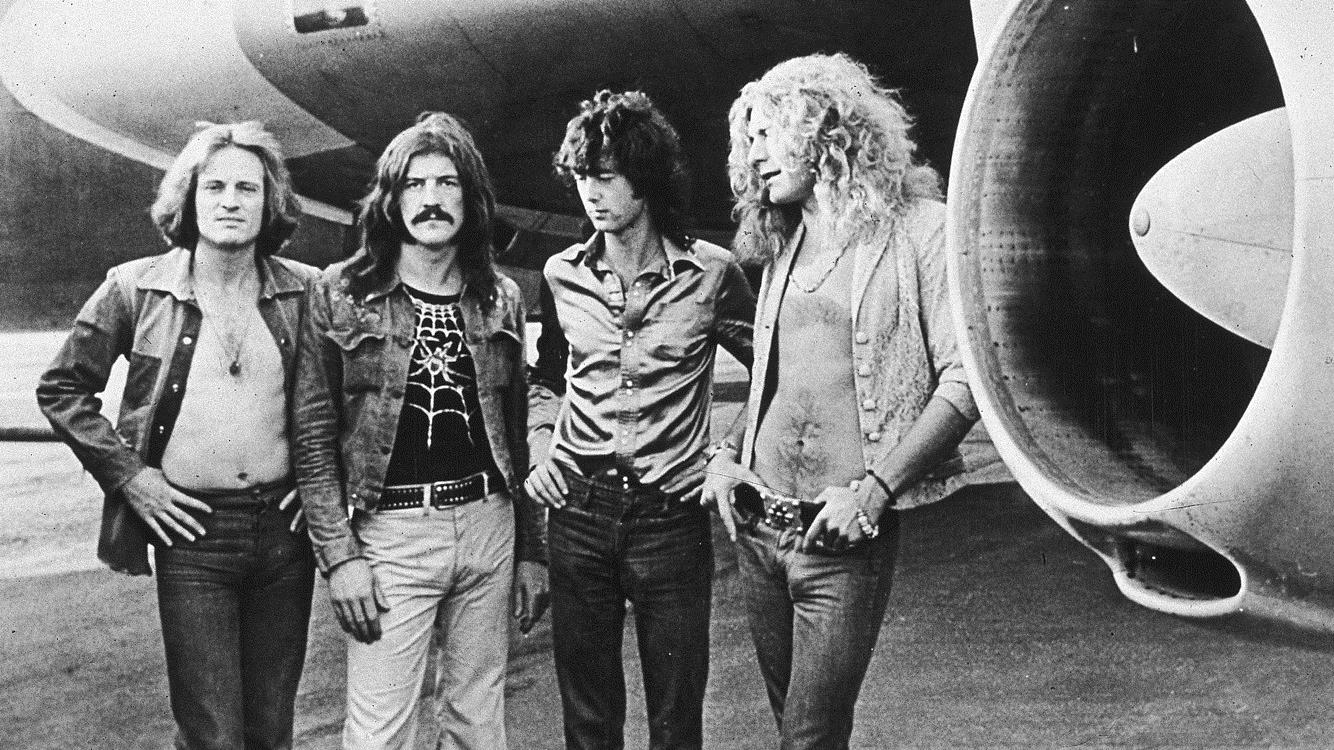
Contrary to popular belief, Jimmy Page didn’t use his iconic Gibson double-neck guitar on *Led Zeppelin IV*.
He acquired that guitar after the album was recorded.
The famous 12-string parts on “Stairway to Heaven” were played on a Fender guitar, and the soaring solo was cut on a Telecaster.
This fact surprises many fans who associate the double-neck with the epic track.
Some fans have speculated that uncredited session musicians played on *Led Zeppelin IV*, fueled by the album’s original pressings listing almost no personnel information.
The acoustic intro of “Stairway to Heaven” especially sparked rumors that a classical guitarist might have been brought in to nail the flawless tone.
However, these theories are more a testament to the band’s skill and Page’s meticulous overdubbing than any cover-up.
The band themselves dismissed these claims, proud of their musicianship.
The cover of *Led Zeppelin IV* is famously mysterious: no band name, no album title, just four cryptic symbols representing each member.
But there’s more — if you apply a mirror effect to the front and back covers, disturbing images emerge that some interpret as hidden messages or backmasking related to “Stairway to Heaven.
” Whether intentional or coincidence, this adds another layer to the album’s enigmatic reputation, contrasting with the friendlier artwork of previous releases.
Unlike most bands, Led Zeppelin debuted songs from *Led Zeppelin IV* live months before the album dropped.
Tracks like “Black Dog,” “Rock and Roll,” and “Stairway to Heaven” first appeared on stage in March 1971, well ahead of the album’s November release.
This bold move built anticipation but also meant fans heard new material long before they could buy it, a strategy that was unusual at the time.
Despite its legendary status, *Led Zeppelin IV* did not top the Billboard charts in its release year or the following year.
It faced stiff competition from albums like *All Things Must Pass* by George Harrison, *Jesus Christ Superstar*, *Pearl* by Janis Joplin, and *Sticky Fingers* by The Rolling Stones.
The album reached the top 10 but never claimed the number one spot immediately.
It took months for singles like “Black Dog” and “Rock and Roll” to gain radio traction.
The four symbols representing each band member were a unique feature of *Led Zeppelin IV*, but they quietly vanished from the band’s iconography after 1972.
Though used on stage equipment and amps for a few years more, the symbols never became a lasting band identity.
Jimmy Page kept his “Zoso” symbol the longest, even wearing a hermit costume emblazoned with it in the band’s movie.
The fading of the symbols adds to the album’s one-of-a-kind mystique.
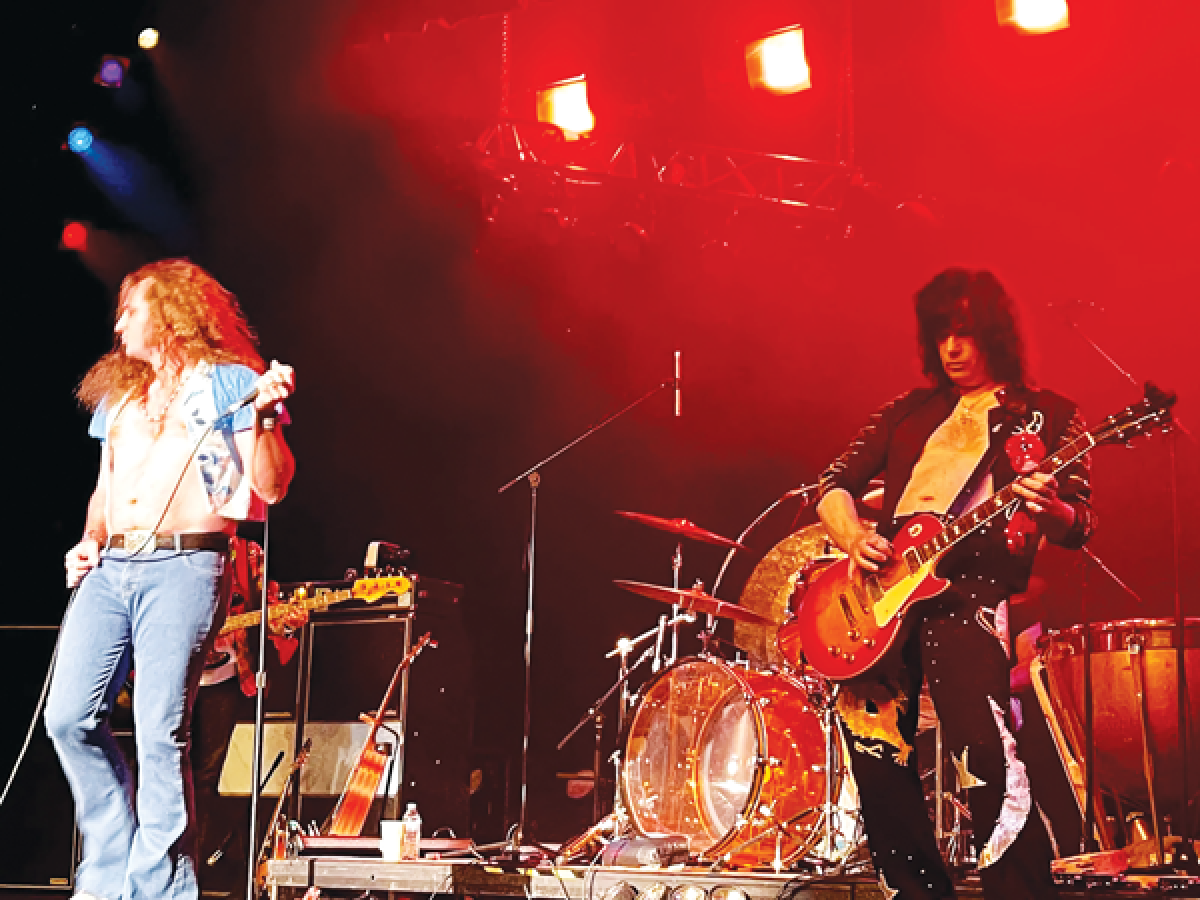
Not all tracks from *Led Zeppelin IV* were performed live immediately.
The thunderous closer, “When the Levee Breaks,” didn’t make its live debut until 1975, four years after the album’s release, and was only played briefly.
The complex drum and harmonica layering made it difficult to replicate on stage.
Similarly, “The Battle of Evermore” was performed live with different vocalists replacing Sandy Denny years later, sparking debate among fans about the live versions’ authenticity.
*Led Zeppelin IV* had an unusual chart life. It entered the Billboard charts in late November 1971 and dropped off in October 1974, only to return multiple times afterward.
It rode the wave of the band’s later albums like *Physical Graffiti* and *In Through the Out Door*, re-entering the charts in 1975, 1977, and 1979.
The album’s persistent popularity helped boost record sales during industry slumps and cemented its status as a timeless classic.
To this day, it has sold over 35 million copies worldwide.
*Led Zeppelin IV* is more than just an album; it’s a legend wrapped in enigma, with stories as rich and layered as its music.
From mysterious artwork and secretive recording sessions to live performances that defied convention, these overlooked secrets deepen our appreciation for one of rock’s greatest masterpieces.
Whether you’re a casual listener or a die-hard fan, *Led Zeppelin IV* continues to invite discovery — proving that some albums truly never grow old.
News
The Song that Bob Dylan Wrote About Elvis Presley
Bob Dylan and Elvis Presley are two of the most legendary figures in American music history. One is known as…

Raul Malo, Lead Singer of The Mavericks, has died at age 60
The music world is mourning the loss of Raul Malo, the charismatic lead singer of The Mavericks, who passed away…

At 69, Steve Perry Confessed This Was the Song He Couldn’t Finish
Steve Perry’s voice is one of rock’s most iconic and enduring sounds. As the lead singer of Journey, he gave…

Top 6 SHOCKING Things Axl Rose Said About Other Rock Legends!
Axl Rose, the legendary frontman of Guns N’ Roses, is known not only for his iconic voice and music but…
‘You Had ONE Job!’ How Powerman 5000 FUMBLED a Platinum Future
Powerman 5000’s story is one of bold creativity, underground buzz, and a dramatic crossroads that nearly derailed their ascent to…

‘He Knew Last Show Would Kill Him’ Ozzy Osbourne’s Final Moments | Sharon Osbourne Interview
Ozzy Osbourne, the legendary rock icon, cultural pioneer, and beloved family man, gave his final performance knowing it might be…
End of content
No more pages to load






