
By 1996, Alice in Chains was a band unraveling in slow motion.

Their grunge anthems had conquered the airwaves, their albums had sold millions, but behind the scenes, the story was far darker.
Frontman Layne Staley was a shadow of his former self, trapped in a prison of addiction, isolation, and despair.
The band’s MTV Unplugged performance, now hailed as a masterpiece, was in reality a nail-biting struggle against time, health, and the ghosts that haunted them.
This intimate acoustic show became a haunting snapshot of a band fighting for survival — and a frontman battling his own demons.
The early 90s were the golden years for Alice in Chains. Their 1995 self-titled album debuted at number one, selling over three million copies worldwide.
But the success masked a devastating truth: Layne Staley was slipping away.
After the death of Kurt Cobain in 1994, Layne briefly embraced sobriety, but the grip of heroin soon pulled him back into darkness.
By 1996, live shows had ceased, and the band was drifting, held hostage by Layne’s worsening addiction.
The pressure to maintain momentum in the face of inactivity was immense.
The band needed to release something commercially viable, but a full tour was out of the question.
When MTV approached Alice in Chains to do an Unplugged session — a format gaining popularity for its raw, stripped-down intimacy — the band was initially reluctant.
Yet the idea of a controlled environment suited Layne’s fragile health and emotional state.
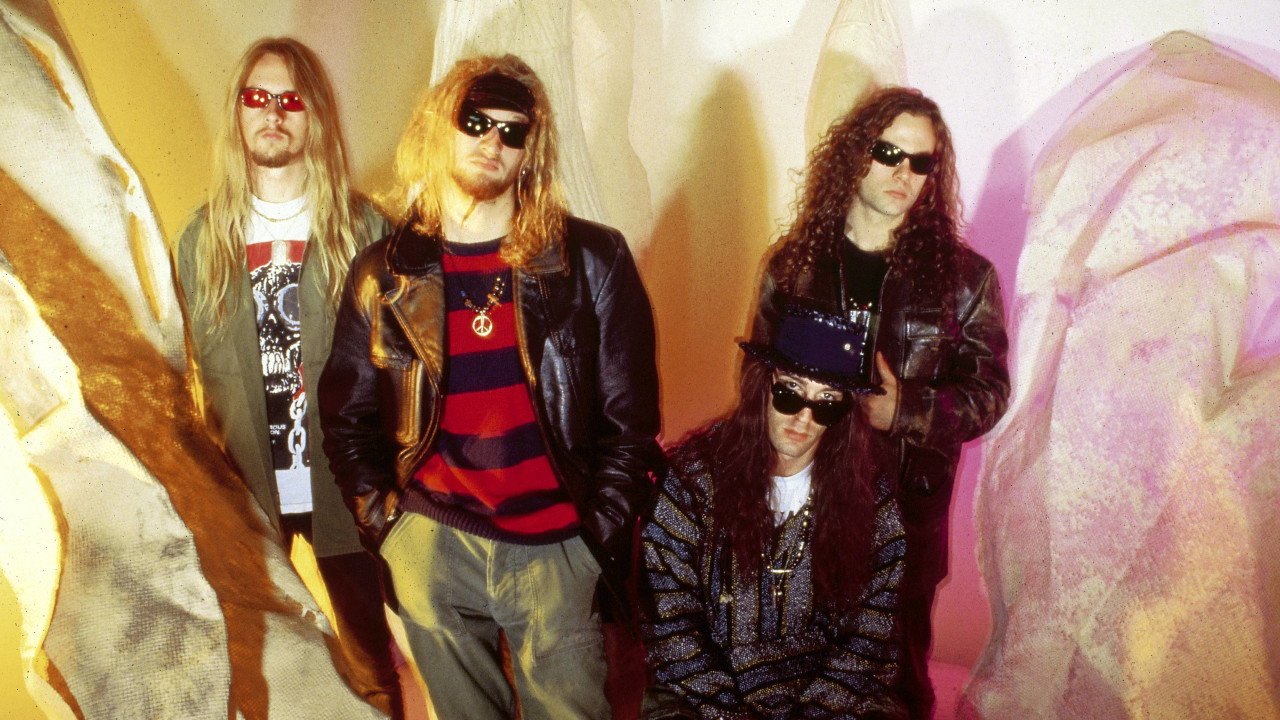
MTV Unplugged had become a cultural phenomenon by the mid-90s.
Launched in 1989, it offered artists a chance to connect with audiences on a deeper level, away from the overproduced music videos saturating the airwaves.
Legendary performances by Paul McCartney and Eric Clapton had set the bar high, turning acoustic sets into iconic moments.
For Alice in Chains, rehearsals began in Seattle in March 1996, but chaos reigned.
Band members were often absent, and when present, they were distracted or indulging in destructive behaviors.
Drummer Sean Kinney recalled the rehearsals as fraught with drama and barely any productive practice.
Guitarist Jerry Cantrell joked that rehearsals and the band were two words that didn’t really go together.
By early April, the band traveled to New York for final rehearsals at the Brooklyn Academy of Music’s Majestic Theater.
Layne arrived with pink-highlighted hair and a visibly fragile presence.
Despite the turmoil, rehearsals grew more focused, and the set list was finalized.
The stage was deliberately designed to reflect the band’s dark aesthetic — bullet holes, cracked walls, flaking paint, and dim candlelight, many of which were personally chosen by Layne.
The atmosphere was intimate but heavy, mirroring the band’s internal struggles.

Layne greeted the MTV producer with an elbow bump while holding a fried chicken drumstick, a bizarre but telling sign of his state.
Throughout the performance, Layne wore fingerless gloves and dark sunglasses, almost motionless as he poured his soul into the music.
The set opened with “Nutshell,” a haunting solo performance by Layne.
The lyrics, “And yet I fight this battle all alone,” felt deeply autobiographical, resonating with the audience and crew alike.
Many reportedly wept during the song, moved by Layne’s vulnerable delivery.
As the performance progressed, the band found moments of connection and energy.
“No Excuses” offered a rare upbeat respite, while “Rooster” showcased Layne’s best vocal performance of the night.
However, not every song translated well acoustically; “Angry Chair” lacked its usual intensity and fell flat.
The band also used the platform to subtly jab at their record label, with Layne altering lyrics in “Sludge Factory” during the set.
The mood was somber but defiant, a reflection of the band’s complicated relationship with fame and the music industry.
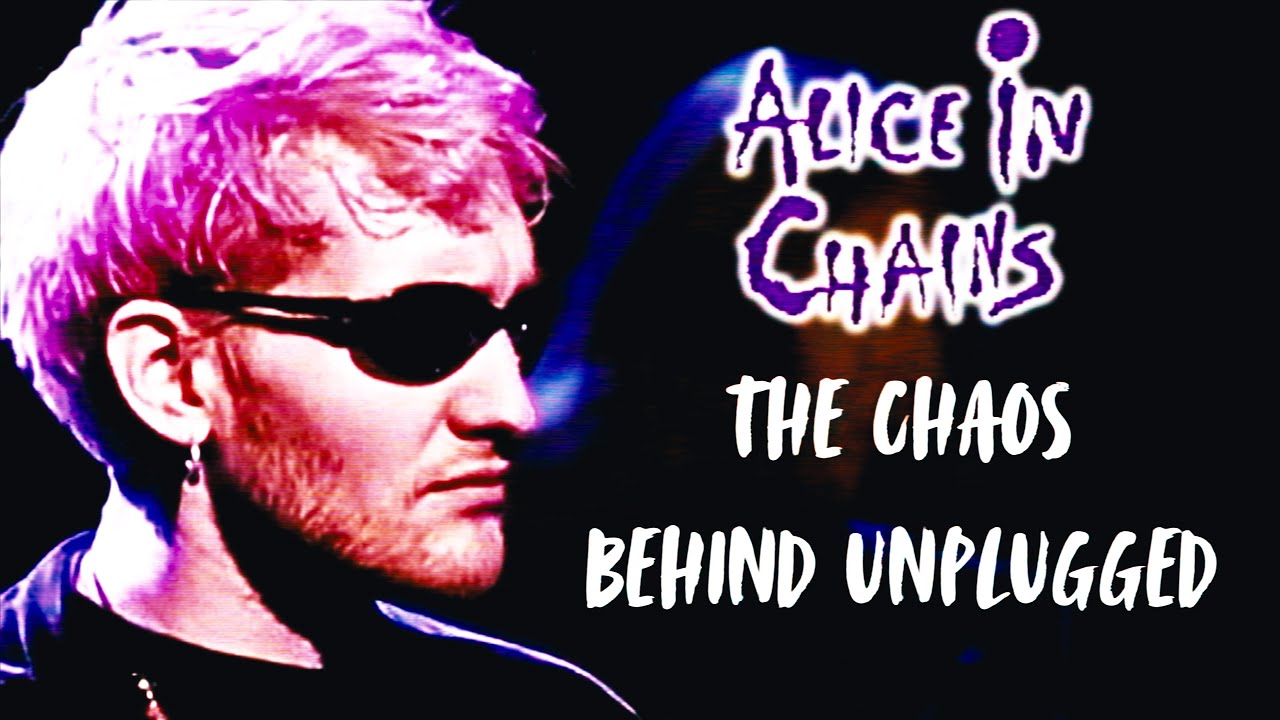
Despite Layne’s initial hatred of the footage — fearing MTV portrayed him as a wasted rock star — the show aired in May 1996 to critical acclaim, and the album was released two months later.
It remains one of the most celebrated acoustic performances in rock history.
But the tragedy deepened.
Layne’s long-term girlfriend died of a heroin overdose months after the performance, profoundly affecting him.
Layne himself faded further into isolation, making few public appearances before his death in 2002 after years of battling addiction.
Alice in Chains never fully recovered.
The MTV Unplugged session stands as a haunting testament to a band at their creative peak but on the brink of collapse — a raw, intimate portrait of pain, talent, and the devastating cost of addiction.
Alice in Chains’ MTV Unplugged performance is more than a concert; it’s a time capsule capturing the fragile humanity behind the grunge iconography.
It reveals the tension between artistic brilliance and personal demons, the struggle to create beauty amid chaos.
For fans and music historians, it remains a poignant reminder of Layne Staley’s immense talent and tragic fate, and a testament to the band’s enduring legacy despite the darkness that threatened to consume them.
News
The Song that Bob Dylan Wrote About Elvis Presley
Bob Dylan and Elvis Presley are two of the most legendary figures in American music history. One is known as…

Raul Malo, Lead Singer of The Mavericks, has died at age 60
The music world is mourning the loss of Raul Malo, the charismatic lead singer of The Mavericks, who passed away…
At 69, Steve Perry Confessed This Was the Song He Couldn’t Finish
Steve Perry’s voice is one of rock’s most iconic and enduring sounds. As the lead singer of Journey, he gave…
Top 6 SHOCKING Things Axl Rose Said About Other Rock Legends!
Axl Rose, the legendary frontman of Guns N’ Roses, is known not only for his iconic voice and music but…
‘You Had ONE Job!’ How Powerman 5000 FUMBLED a Platinum Future
Powerman 5000’s story is one of bold creativity, underground buzz, and a dramatic crossroads that nearly derailed their ascent to…
‘He Knew Last Show Would Kill Him’ Ozzy Osbourne’s Final Moments | Sharon Osbourne Interview
Ozzy Osbourne, the legendary rock icon, cultural pioneer, and beloved family man, gave his final performance knowing it might be…
End of content
No more pages to load






