
In the gritty heart of California’s punk scene, where rebellion was the currency and authenticity was everything, a band named Rancid emerged to shake the foundations of the music industry.
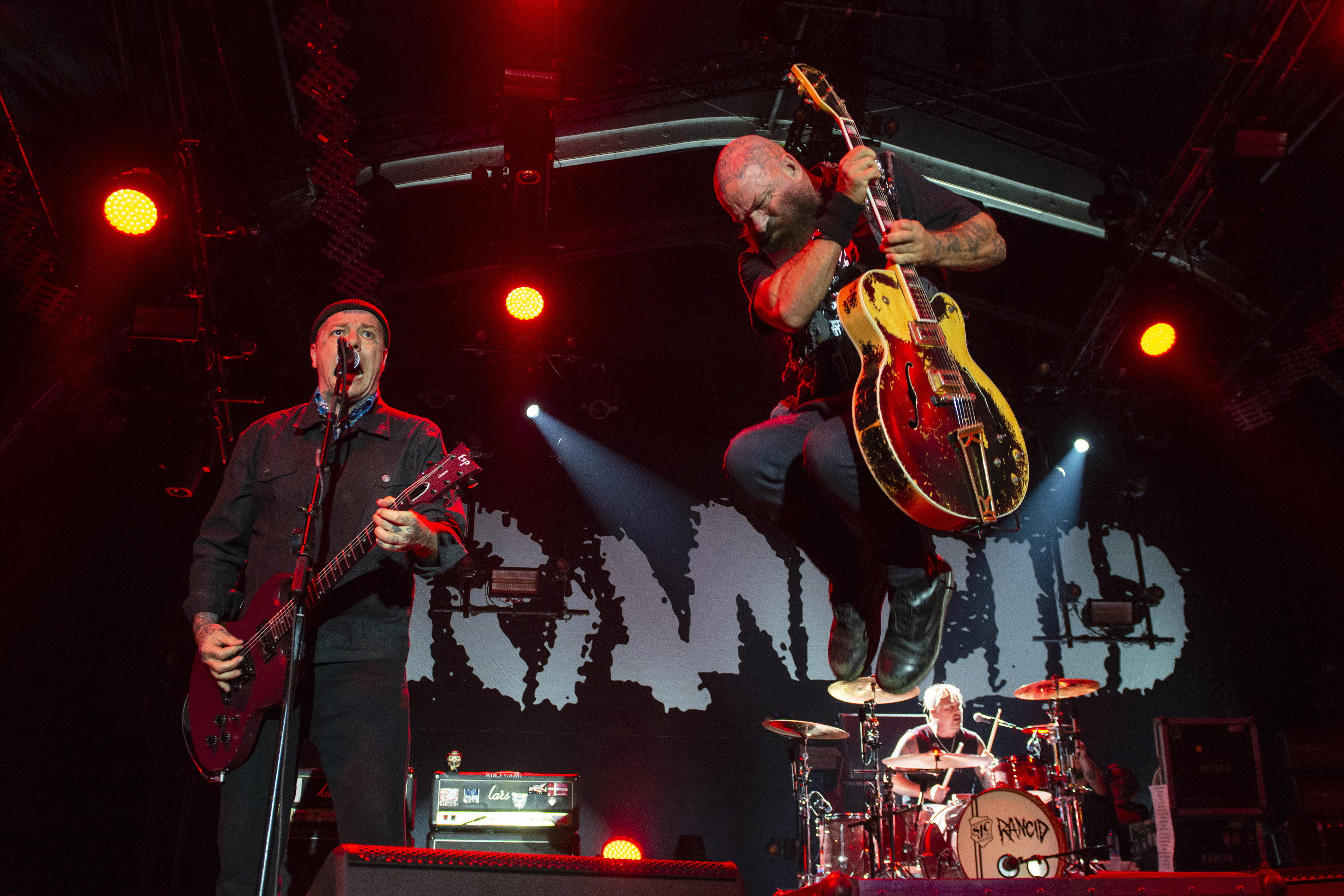
Formed by Tim Armstrong and Matt Freeman, former members of the seminal ska-punk band Operation Ivy, Rancid was destined to become a beacon of punk’s raw spirit, refusing to bow to the pressures of major labels and commercial expectations.
Their journey was anything but smooth—riddled with personal demons, brushes with fame, and even a wild flirtation with Madonna’s record label.
Tim Armstrong’s upbringing in Albany, California, was far from glamorous.
Growing up in a lower-middle-class household with an alcoholic father who lost his job, Armstrong’s early life was marked by hardship.
His mother worked tirelessly at a cookie factory to keep the family afloat.
It was in this environment that Armstrong and his brother Jeff first encountered the punk scene, hanging out at local spots and absorbing the rebellious energy of bands like The Specials, The Clash, and Dead Kennedys.
Armstrong’s friendship with Matt Freeman, forged over shared passions for skateboarding and punk rock, would become the foundation of their musical careers.
Their first major collaboration was Operation Ivy, a band that became a cornerstone of the 924 Gilman Street scene—a cooperative, all-ages venue that was a sanctuary for punk and ska enthusiasts in the Bay Area.
Operation Ivy’s high-energy performances and socially conscious lyrics captured the spirit of the era.
Their album *Energy*, released in 1989 on Lookout Records, became a cult classic.
However, the band’s rapid rise brought pressures that fractured the group, with jealousy and personal struggles leading to their breakup the same year.
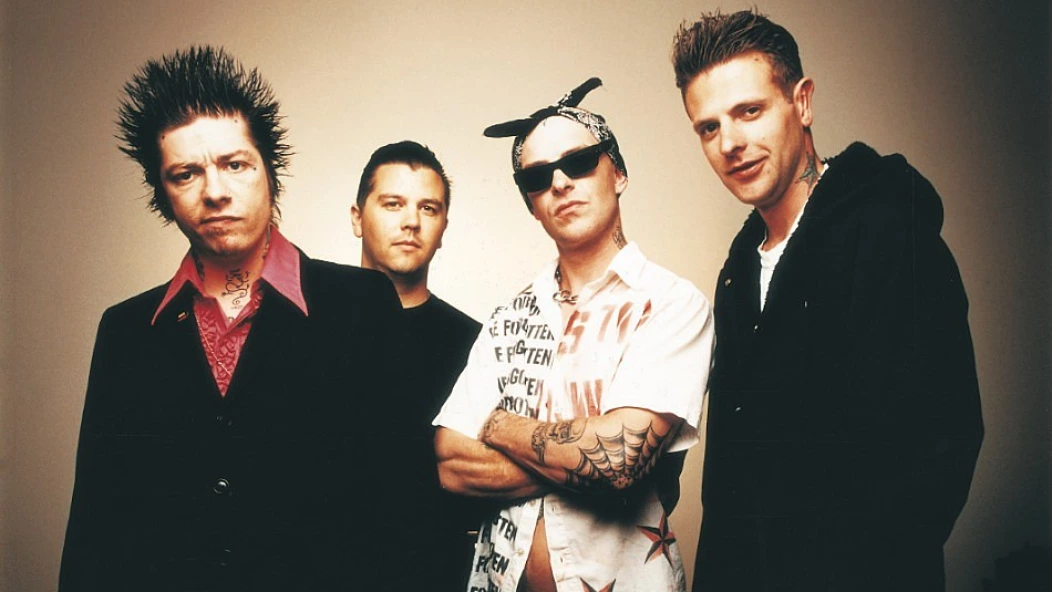
After Operation Ivy’s demise, Tim Armstrong’s life spiraled into chaos.
His battles with drug addiction and alcohol abuse intensified, leading to multiple overdoses and strained relationships.
Armstrong candidly admitted to the LA Times that he was “really messing up,” unable to hold a job or maintain stability.
His lowest point came when he found refuge at a Salvation Army shelter, where he worked and lived while trying to get sober.
This period of hardship became a crucible for change.
In August 1991, feeling a renewed sense of purpose, Armstrong reached out to Freeman to form a new band—Rancid.
Rancid started as a trio with the addition of young drummer Brad “Bradley” Reed, who, despite limited experience, shared a chemistry with Armstrong and Freeman.
Their first shows quickly gained attention, and Lookout Records released their debut 7-inch and self-titled EP in 1992.
The band’s sound was a fierce blend of punk aggression and ska rhythms, reflecting the legacy of Operation Ivy but with a grittier, more mature edge.
Their authenticity and raw energy caught the eye of Brett Gurewitz, guitarist of Bad Religion and founder of Epitaph Records.
A devoted fan of Operation Ivy, Gurewitz signed Rancid in 1993, offering them creative freedom despite limited resources.

As Rancid’s reputation grew, so did interest from major labels eager to capitalize on punk’s resurgence, fueled by the success of bands like Green Day and The Offspring.
One of the most bizarre chapters in Rancid’s story was their flirtation with Madonna’s Maverick Records.
The label, fresh off the success of Candlebox, offered Rancid a lucrative deal—described by the band as “life-changing money.”
The negotiations were marked by eccentricity and unexpected drama.
Armstrong recalled meeting Madonna at Roseland in New York, followed by receiving a nude Polaroid from the pop icon herself, accompanied by a note urging them to sign with Maverick.
Despite the tempting offer, Rancid ultimately declined, wary of losing their independence and credibility within the punk community.
Epic Records also aggressively courted the band, with executive Michael Goldstone, known for signing Pearl Jam and Rage Against the Machine, pushing hard for a deal.
Rancid even dyed Goldstone’s hair blue as a symbol of their growing friendship and potential partnership.
However, as rumors of signing leaked, the band’s doubts grew.
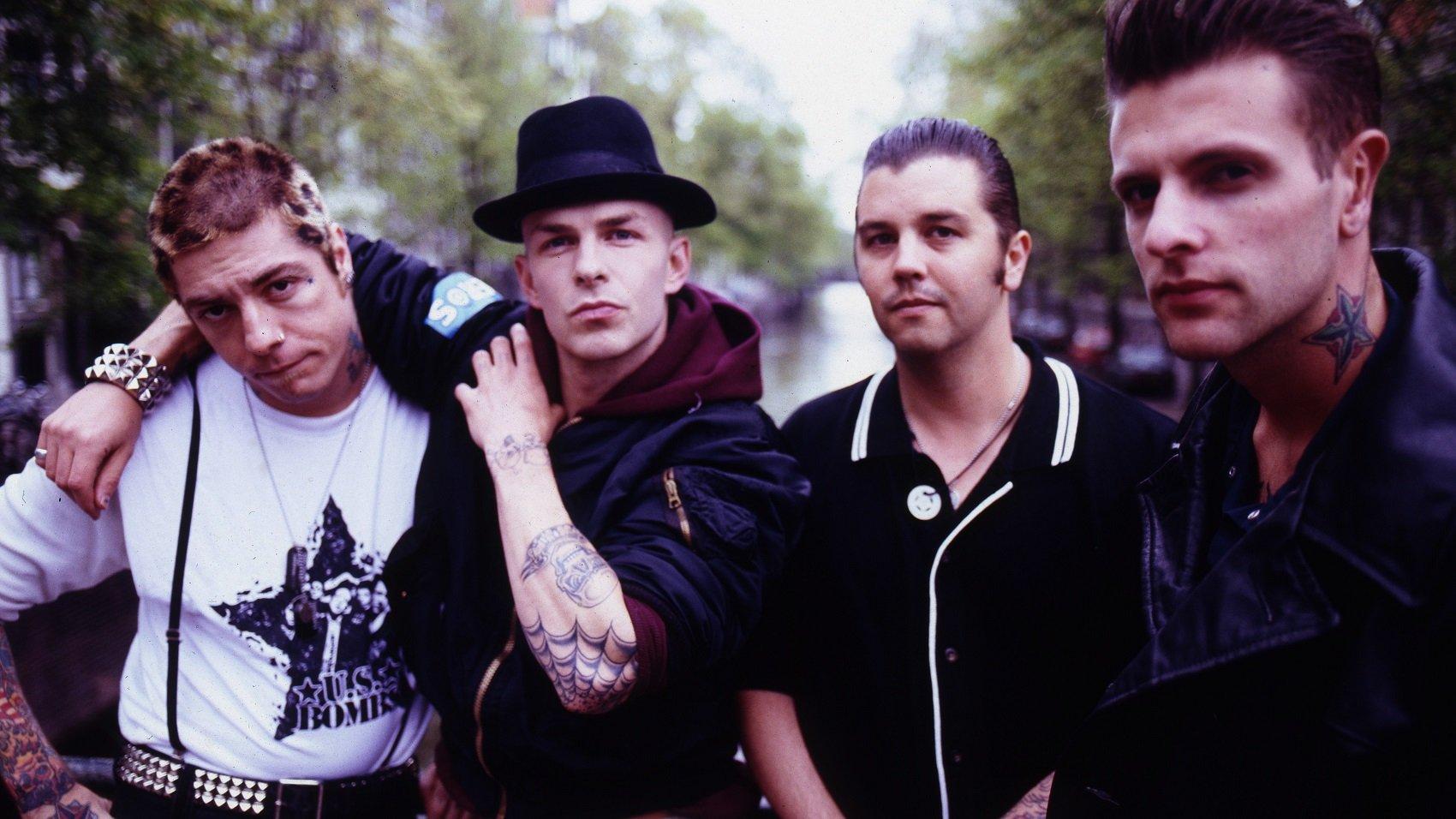
Rancid’s biggest fear was being labeled sellouts and barred from playing at Gilman Street, a fate that befell Green Day after signing with a major label.
The band was on the verge of signing a $1.5 million deal with Epic, including a substantial publishing contract, but ultimately pulled back.
Brett Gurewitz’s unwavering support and love for the band convinced Rancid to stay with Epitaph.
He promised them more creative freedom and the ability to sell more records than any major label could offer.
His track record spoke for itself—Epitaph had released *Smash* by The Offspring, the biggest-selling independent album ever.
Rancid’s decision to stay independent paid off. Their third album, *…And Out Come the Wolves* (1995), became a defining moment in punk rock history.
Produced by Jerry Finn, the album fused punk aggression with ska rhythms and catchy hooks, resonating with a wide audience.
Songs like “Ruby Soho,” “Time Bomb,” and “Roots Radicals” dominated alternative radio and MTV, earning gold certification and critical acclaim.
The album’s themes dealt with alienation, addiction, and social issues, drawing from the band members’ personal experiences.
Despite their growing fame, Rancid maintained a commitment to their roots, preferring sweaty midsize venues over massive arenas to stay connected with their fans.
Their authenticity earned respect from punk legends, including Joe Strummer’s manager, who revealed Strummer’s admiration for the band.
Rancid’s journey from scrappy punk kids to influential stalwarts of the 1990s punk revival is a testament to resilience, authenticity, and staying true to one’s values.
They showed that punk could thrive without major label backing, inspiring countless bands and fans worldwide.
Tim Armstrong’s candid reflections on his struggles with addiction and the band’s near-major label deals reveal the complex balance between artistic integrity and commercial success.
Rancid’s story is not just about music—it’s about survival, friendship, and the punk spirit that refuses to be tamed.
News
The Song that Bob Dylan Wrote About Elvis Presley
Bob Dylan and Elvis Presley are two of the most legendary figures in American music history. One is known as…
Raul Malo, Lead Singer of The Mavericks, has died at age 60
The music world is mourning the loss of Raul Malo, the charismatic lead singer of The Mavericks, who passed away…
At 69, Steve Perry Confessed This Was the Song He Couldn’t Finish
Steve Perry’s voice is one of rock’s most iconic and enduring sounds. As the lead singer of Journey, he gave…
Top 6 SHOCKING Things Axl Rose Said About Other Rock Legends!
Axl Rose, the legendary frontman of Guns N’ Roses, is known not only for his iconic voice and music but…
‘You Had ONE Job!’ How Powerman 5000 FUMBLED a Platinum Future
Powerman 5000’s story is one of bold creativity, underground buzz, and a dramatic crossroads that nearly derailed their ascent to…
‘He Knew Last Show Would Kill Him’ Ozzy Osbourne’s Final Moments | Sharon Osbourne Interview
Ozzy Osbourne, the legendary rock icon, cultural pioneer, and beloved family man, gave his final performance knowing it might be…
End of content
No more pages to load






