
For millions of KISS fans still grieving the devastating loss of Ace Frehley, the legendary “Spaceman,” the past few weeks have been a turbulent haze of tributes, sorrow, and shock.

But the shock reached a boiling point when Gene Simmons—bassist, co-founder, and one of the most polarizing figures in rock history—broke his silence in a way nobody expected.
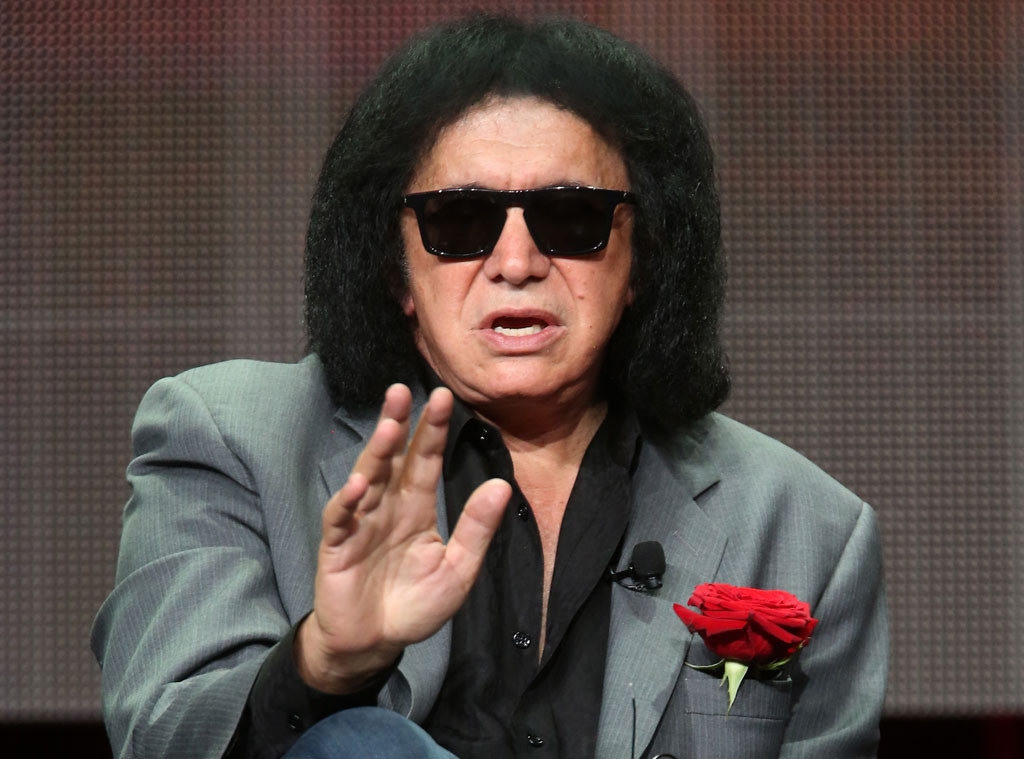
In a new interview, Simmons questioned whether Ace’s fatal fall was really just an accident at all.
And with a single comment—“Falling down the stairs doesn’t kill you”—he ignited a fierce and emotional backlash unlike anything seen since Ace’s passing.
Ace Frehley died on October 16, 2025, at age 74, after a tragic fall inside his home studio in New Jersey.
According to the official medical examiner’s report, he suffered multiple contusions, fractures at the back of his skull, internal bleeding, and a subdural hematoma—a dangerous kind of brain bleed typically caused by blunt force trauma.
Additional bruising was found on his hip, thigh, and abdomen, painting a grim picture of the final injuries that ultimately led to his death.
The coroner formally ruled it an accident.
In the following days, the rock world united in grief.
Fans shared memories of Ace’s groundbreaking riffs, his iconic Spaceman persona, and his unmistakable influence on generations of guitarists.
His former bandmates—Paul Stanley, Peter Criss, and Gene Simmons—released somber statements, each acknowledging his irreplaceable role in KISS’ early history.

Simmons posted on X (formerly Twitter), writing, “Our hearts are broken. Ace has passed. No one can touch the legacy of KISS.” It was a rare moment of public vulnerability from a man known more for bravado than softness.
But that moment did not last.
In a new interview published by the New York Post, Simmons shifted the narrative dramatically.
Rather than accepting the official ruling, he insinuated Ace’s death was the result of long-term lifestyle issues and “bad decisions” that had accumulated over decades.
The comments landed like a grenade in the fan community.
“Ace refused advice from people who cared about him, including myself,” Simmons said.
“He was in and out of bad decisions his whole life. Falling down the stairs—I’m not a doctor—but that doesn’t kill you. There may have been other issues, and it breaks my heart.”
The remark stunned fans, friends, and even some within the industry.
Social media exploded with outrage—many accusing Simmons of being disrespectful, opportunistic, or attempting to rewrite the narrative of a man who could no longer defend himself.
Ace’s family was quick to reaffirm the official cause of death as an accident, emphasizing that the medical findings were clear and definitive.
Yet Simmons’ statement had already stirred doubts, sparked speculation, and reopened years-old wounds.

Part of the shock comes from the tangled, often turbulent history between Simmons and Frehley.
The two shared decades of creative brilliance, but also decades of conflict.
Ace struggled openly for years with alcohol and substance dependency, leading to several breakaways from KISS and long stretches of animosity.
Simmons, who has famously never used drugs or alcohol, frequently criticized Ace’s lifestyle—even as Ace maintained in later years that he had been sober for over a decade.
Still, despite their differences, Simmons, Paul Stanley, and Peter Criss all attended Ace’s funeral.
According to Simmons, the open-casket service was “heartbreaking,” and he expressed regret that Ace did not live long enough to sit proudly at the Kennedy Center Honors ceremony where KISS was to be celebrated.
But critics argue that compassion requires more than a funeral appearance—it requires respect, especially after death.
To many, the timing of Simmons’ comments is particularly painful.
The toxicology report from Ace’s death has not yet been publicly released, meaning Simmons’ insinuations are based on speculation rather than confirmed fact.
And because Ace is no longer here to speak for himself, some see Simmons’ remarks as unfairly shaping the narrative in a way that casts blame on the deceased rather than simply mourning him.
This is not the first time Simmons has courted controversy with comments linking rock star deaths to addiction.
After Prince’s passing in 2016, Simmons called the death “pathetic,” suggesting drug-related irresponsibility.
The backlash was immediate; Paul Stanley publicly condemned Simmons’ remarks as “cold, clueless, and classless.” Simmons eventually apologized.
Yet now, nearly a decade later, he has reopened those wounds by framing Ace’s death through a similar lens.
Still, the story is more complex than simple outrage. In the same interview, Simmons spoke candidly about his regrets.
He said he wished he and others in KISS had practiced more “tough love” during the band’s peak years—intervening more forcefully when Ace and drummer Peter Criss struggled with addiction.
He admitted that success, ego, money, and the drive to keep touring often overshadowed the needs of their bandmates as human beings.
“You want to keep going for selfish reasons,” he said.
“Meanwhile, someone who could be your brother is ruining his life with bad decisions. I wish I had done more.”
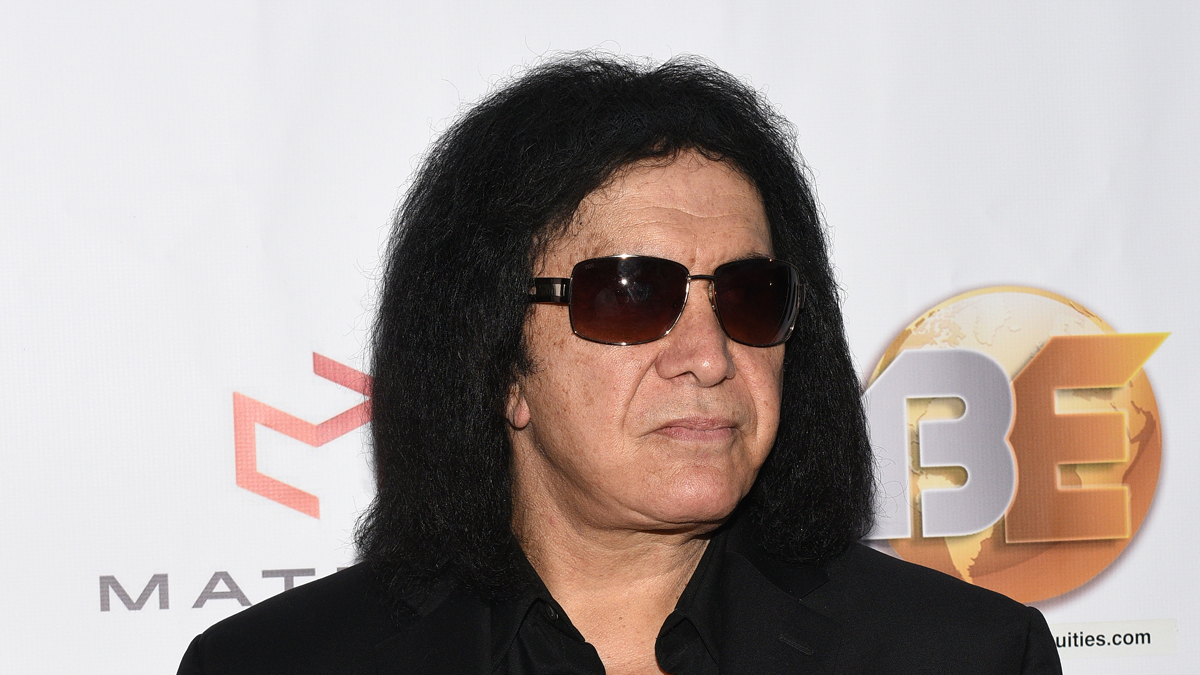
These remarks echoed sentiments Simmons expressed only weeks earlier during an appearance at the Kiss Kruise Lockdown in Las Vegas.
When asked what he would change about his career if given the chance, he replied that he would have tried harder to help Ace and Peter avoid destructive habits.
“Tough love is a good idea,” he said, describing it as an unpopular but necessary approach to helping loved ones break cycles of chaos.
Even so, critics argue that regret and finger-pointing cannot coexist gracefully—especially when aimed at someone who has just passed away.
To accuse Ace of contributing to his own death without evidence, they say, is tasteless at best and cruel at worst.
Many fans voiced frustration that Simmons appears to be suggesting Ace’s fall was somehow the inevitable conclusion of his past rather than an accident that could happen to any older adult.
Indeed, falls are the leading cause of fatal injury among people over 65.
Medical experts note that even a simple slip can cause catastrophic trauma, especially when stairs or hard surfaces are involved.
Ace was 74—an age at which fractures and head injuries can carry serious consequences even in the absence of substances or underlying conditions.
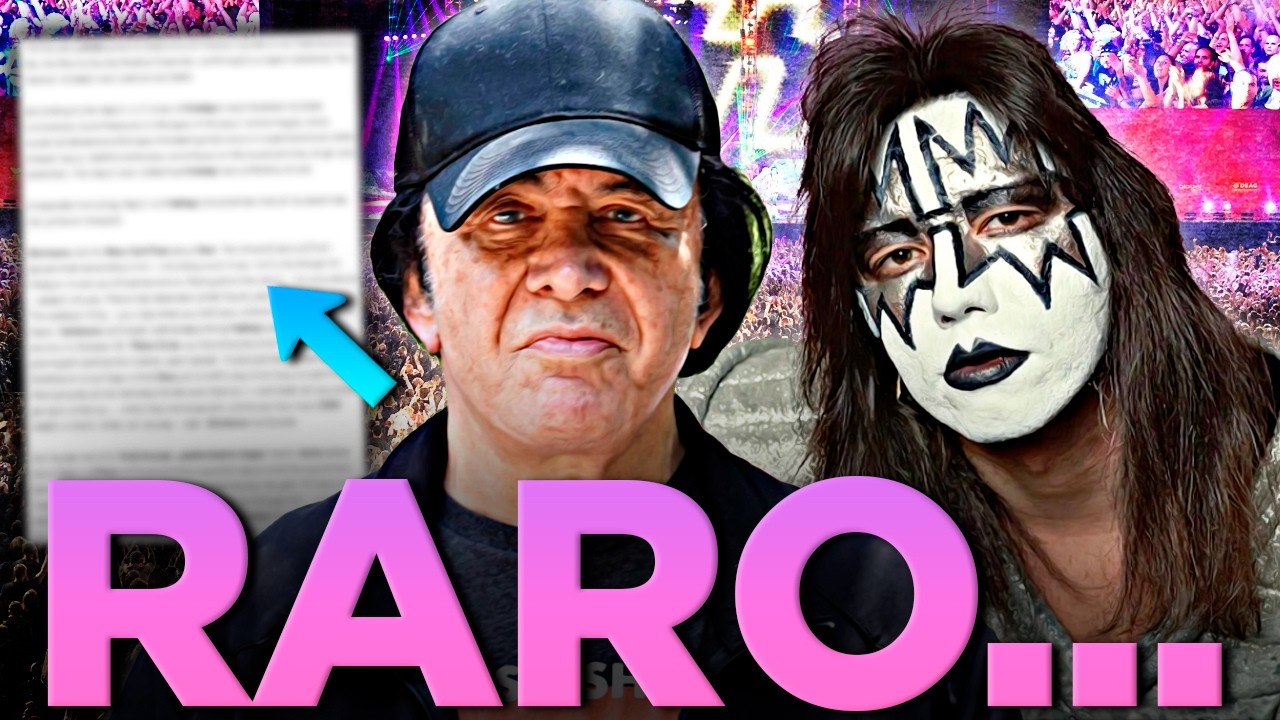
The broader rock community remains divided. Some believe Simmons was merely being honest, pointing out the harsh realities of lifelong habits.
Others believe the comments cross moral and emotional boundaries, overshadowing the legacy of a musician whose influence shaped the sound of rock for generations.
As the toxicology results remain sealed and emotions continue to run high, one thing is clear: Ace Frehley’s death has reopened old wounds within the KISS universe, bringing decades of conflict, loyalty, regret, and love back into the spotlight.
Gene Simmons may believe he is speaking a difficult truth—but for many, the truth is simpler.
A legend is gone, a family is grieving, and the world of rock has lost one of its brightest, most imaginative guitarists.
The question now is whether the controversy will fade—or whether Simmons has reignited a feud that even death could not silence.
News
The Song that Bob Dylan Wrote About Elvis Presley
Bob Dylan and Elvis Presley are two of the most legendary figures in American music history. One is known as…
Raul Malo, Lead Singer of The Mavericks, has died at age 60
The music world is mourning the loss of Raul Malo, the charismatic lead singer of The Mavericks, who passed away…
At 69, Steve Perry Confessed This Was the Song He Couldn’t Finish
Steve Perry’s voice is one of rock’s most iconic and enduring sounds. As the lead singer of Journey, he gave…
Top 6 SHOCKING Things Axl Rose Said About Other Rock Legends!
Axl Rose, the legendary frontman of Guns N’ Roses, is known not only for his iconic voice and music but…

‘You Had ONE Job!’ How Powerman 5000 FUMBLED a Platinum Future
Powerman 5000’s story is one of bold creativity, underground buzz, and a dramatic crossroads that nearly derailed their ascent to…
‘He Knew Last Show Would Kill Him’ Ozzy Osbourne’s Final Moments | Sharon Osbourne Interview
Ozzy Osbourne, the legendary rock icon, cultural pioneer, and beloved family man, gave his final performance knowing it might be…
End of content
No more pages to load






