
Duran Duran is a band whose name is synonymous with the 1980s, a time when they ruled the charts and MTV with their catchy hits and groundbreaking music videos.
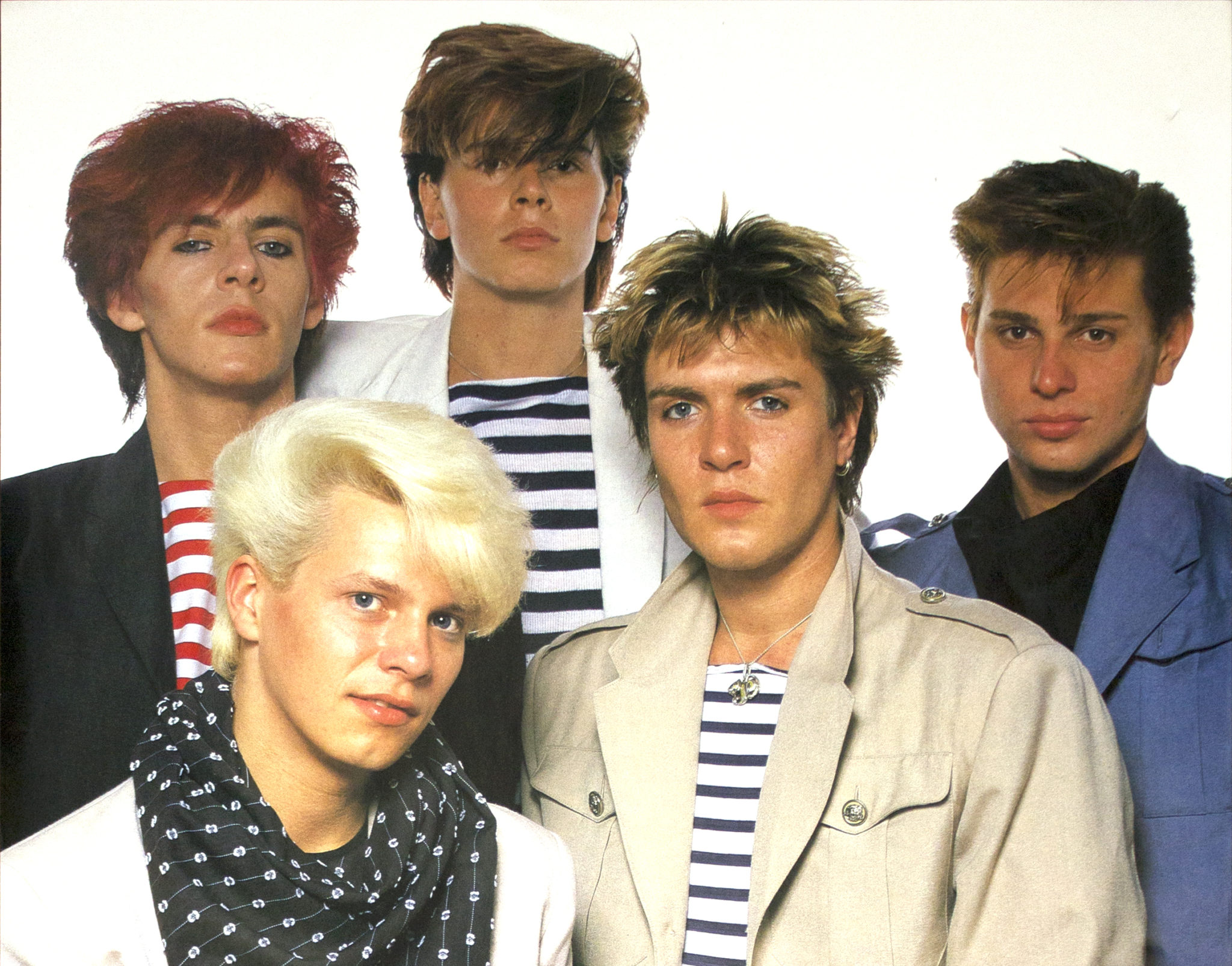
Yet by the early 1990s, the group faced near collapse—financial struggles, personal battles, and waning public interest threatened to end their career.
But then came their spectacular comeback, marked by the timeless anthem “Ordinary World,” a song that not only revitalized their legacy but became one of the defining tracks of the decade.
This is the story of how Duran Duran rose from the ashes and reclaimed their place in music history.
In the early 1980s, Duran Duran was a global sensation.
Their first three albums—*Duran Duran* (1981), *Rio* (1982), and *Seven and the Ragged Tiger* (1983)—produced nearly a dozen Billboard Hot 100 hits, many reaching the Top 10.
The band was also a pioneer in music videos, crafting cinematic stories set in exotic locations that helped define the MTV era.
Their stylish image and catchy synth-pop sound made them international rock stars and teen idols.
But success came with a price. As fame soared, tensions within the band grew.
Rivalries, management disputes, and personal issues, including complicated relationships, began to take a toll.
By the mid-1980s, Duran Duran was fracturing.
The recording of *Seven and the Ragged Tiger* was fraught with musical clashes and took six months to complete—longer than expected.
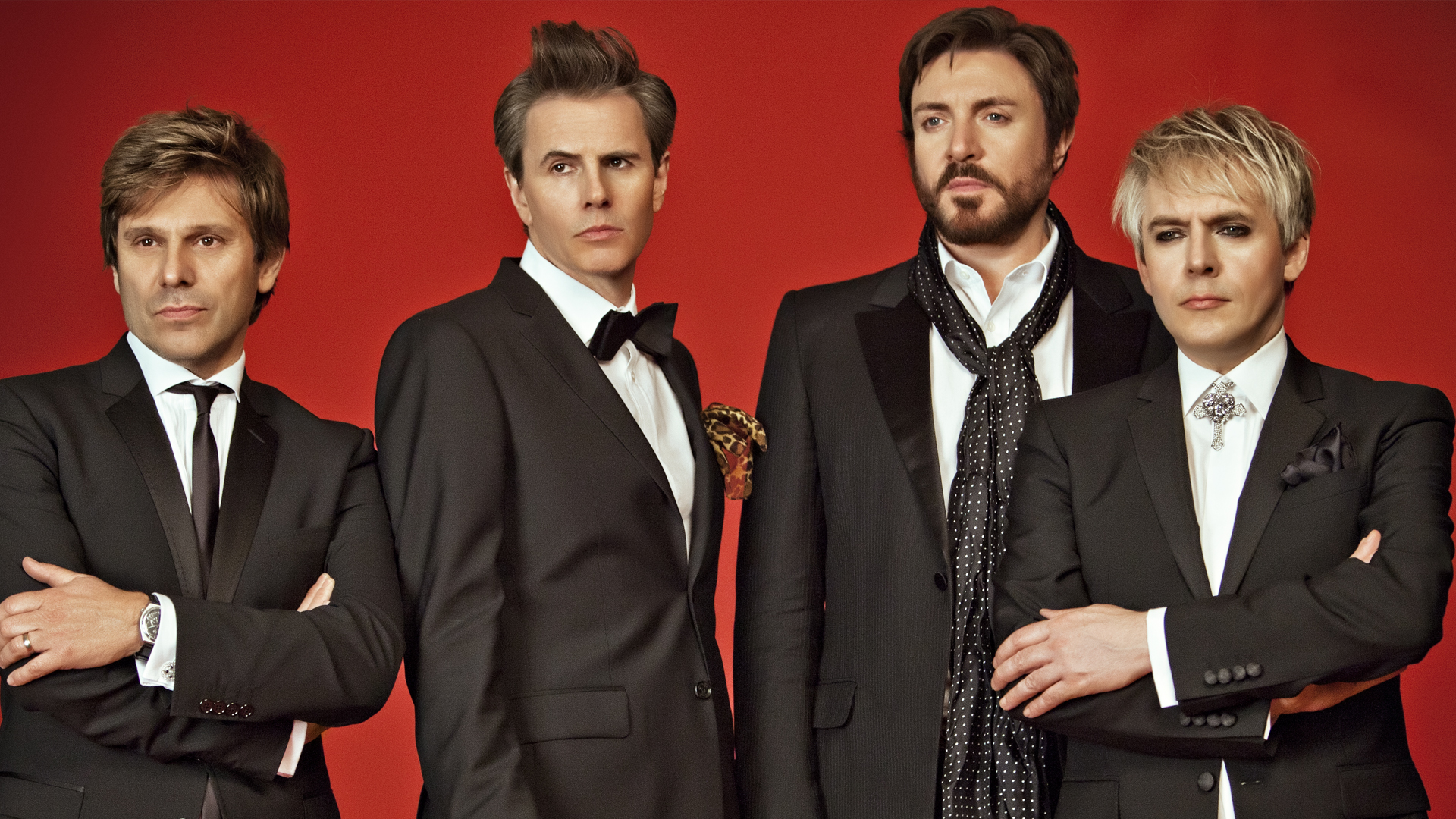
Soon, two key members, Andy and John Taylor, left to form the supergroup The Power Station with Robert Palmer.
The remaining members—Simon Le Bon, Nick Rhodes, and Roger Taylor—formed a side project called Arcadia, which included collaborations with high-profile artists like David Gilmour and Grace Jones.
Despite some success, tensions remained high.
By 1986, when the band released *Notorious*, both Andy and Roger Taylor had departed.
Though the album peaked at number 12 on the charts, subsequent releases *Big Thing* and *Liberty* failed to capture the public’s attention, with *Liberty* stalling at number 46 in the US.
The band felt trapped in the early 80s era, doubting their relevance and considering giving up.
The early 1990s were a dark time for Duran Duran. Financially, the band was struggling.
Simon Le Bon’s credit cards were being declined; Nick Rhodes was millions of pounds in debt; John Taylor faced mental health challenges and had to sell his house.
The band that once dominated MTV couldn’t even get tickets to the Video Music Awards.

Critics who had once dismissed Duran Duran as teeny boppers or style-over-substance were gleeful at their fall from grace.
The band members themselves described this period as “enormously disheartening” and “practically broke.”
At one point, they even contemplated changing their name to one word and moving to Athens, Georgia, in hopes of being taken more seriously.
Their record label showed little faith, offering less money and more restrictions for their seventh album.
Yet amid these struggles, a glimmer of hope appeared in the form of guitarist Warren Cuccurullo, whose fresh approach helped the band rediscover melody, harmony, and craft.
With a tighter budget, the band ditched expensive studios and retreated to Cuccurullo’s home studio in Battersea, England.
Freed from the pressures of lavish recording sessions, they focused on writing and arranging songs with a renewed sense of purpose.
The band also cut ties with their publicists and managers, returning to a more musician-focused dynamic.
The guitarists suggested adding more acoustic songs, inspired by the popularity of MTV Unplugged at the time.
Duran Duran even performed at K-Rock’s almost acoustic Christmas benefit show in 1992, with Le Bon joking, “You’ve heard of MTV Unplugged? This is Duran Duran Unplugged.”

One of the songs born from these sessions was “Ordinary World,” a track that would become the band’s defining comeback anthem.
Le Bon wrote the song as part of a trilogy inspired by the death of his close friend David Miles, who died of a drug overdose in 1986.
For years, Le Bon had not spoken publicly about his grief, but “Ordinary World” was his way of confronting loss, resilience, and the longing for normalcy.
The songwriting process was swift and inspired.
Le Bon had the melody quickly, with Nick Rhodes playing the chords and Warren Cuccurullo adding his touch.
The lyrics were later influenced by the Gulf War in 1991, adding a layer of contemporary relevance.
Although the record label was initially cautious, a Tampa Bay radio station leaked the song in 1992, and listener response was overwhelming.
The label then moved up the single’s release date to December 1992.
“Ordinary World” became a massive hit, reaching number two on the Modern Rock Tracks chart and number three on the Billboard Hot 100.
It was praised for its artistic evolution—blending delicate acoustic guitar, orchestral arrangements, and synthesizer textures to create a mature, refined sound.
The band’s album, often called *The Wedding Album* due to its cover featuring wedding photos of the band members’ parents, capitalized on this momentum.
It peaked at number seven on the Billboard Hot 100 and was certified platinum.
The album also produced hits like “Come Undone,” which reached number seven on the Hot 100.
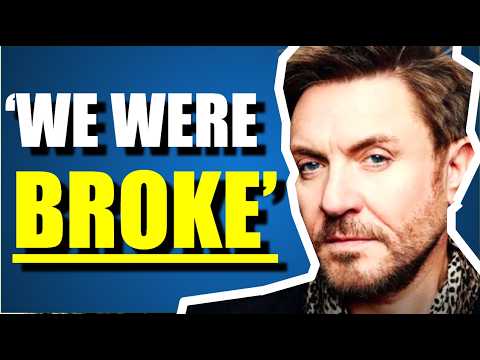
Le Bon reflected on the band’s journey in interviews, marveling at how they shared stages with hip-hop acts like Naughty by Nature, a sign of changing times and their ability to adapt.
“Ordinary World” has endured beyond its initial success.
It has been covered by various artists, including electronic dance act Aurora and American Idol contestant Adam Lambert, who released it as a lead single in 2023.
Le Bon later described the song as an act of letting go, a way to move forward after years of pain and loss.
Duran Duran’s story is one of resilience and reinvention.
From the heights of 80s superstardom to financial ruin and personal struggles, they managed to reclaim their place in the music world with honesty and artistic growth.
“Ordinary World” stands as a testament to their journey—an anthem for anyone who has faced hardship and found the strength to carry on.
News
The Song that Bob Dylan Wrote About Elvis Presley
Bob Dylan and Elvis Presley are two of the most legendary figures in American music history. One is known as…

Raul Malo, Lead Singer of The Mavericks, has died at age 60
The music world is mourning the loss of Raul Malo, the charismatic lead singer of The Mavericks, who passed away…

At 69, Steve Perry Confessed This Was the Song He Couldn’t Finish
Steve Perry’s voice is one of rock’s most iconic and enduring sounds. As the lead singer of Journey, he gave…
Top 6 SHOCKING Things Axl Rose Said About Other Rock Legends!
Axl Rose, the legendary frontman of Guns N’ Roses, is known not only for his iconic voice and music but…
‘You Had ONE Job!’ How Powerman 5000 FUMBLED a Platinum Future
Powerman 5000’s story is one of bold creativity, underground buzz, and a dramatic crossroads that nearly derailed their ascent to…

‘He Knew Last Show Would Kill Him’ Ozzy Osbourne’s Final Moments | Sharon Osbourne Interview
Ozzy Osbourne, the legendary rock icon, cultural pioneer, and beloved family man, gave his final performance knowing it might be…
End of content
No more pages to load






