
Soundgarden’s story begins in the rain-soaked streets of Seattle, a city far from the mainstream spotlight but bubbling with musical innovation in the early 1980s.
What started as basement jams and raw experimentation quickly evolved into one of the most influential bands of the grunge era, with Chris Cornell’s haunting vocals soaring above Kim Thayil’s wild guitar riffs.
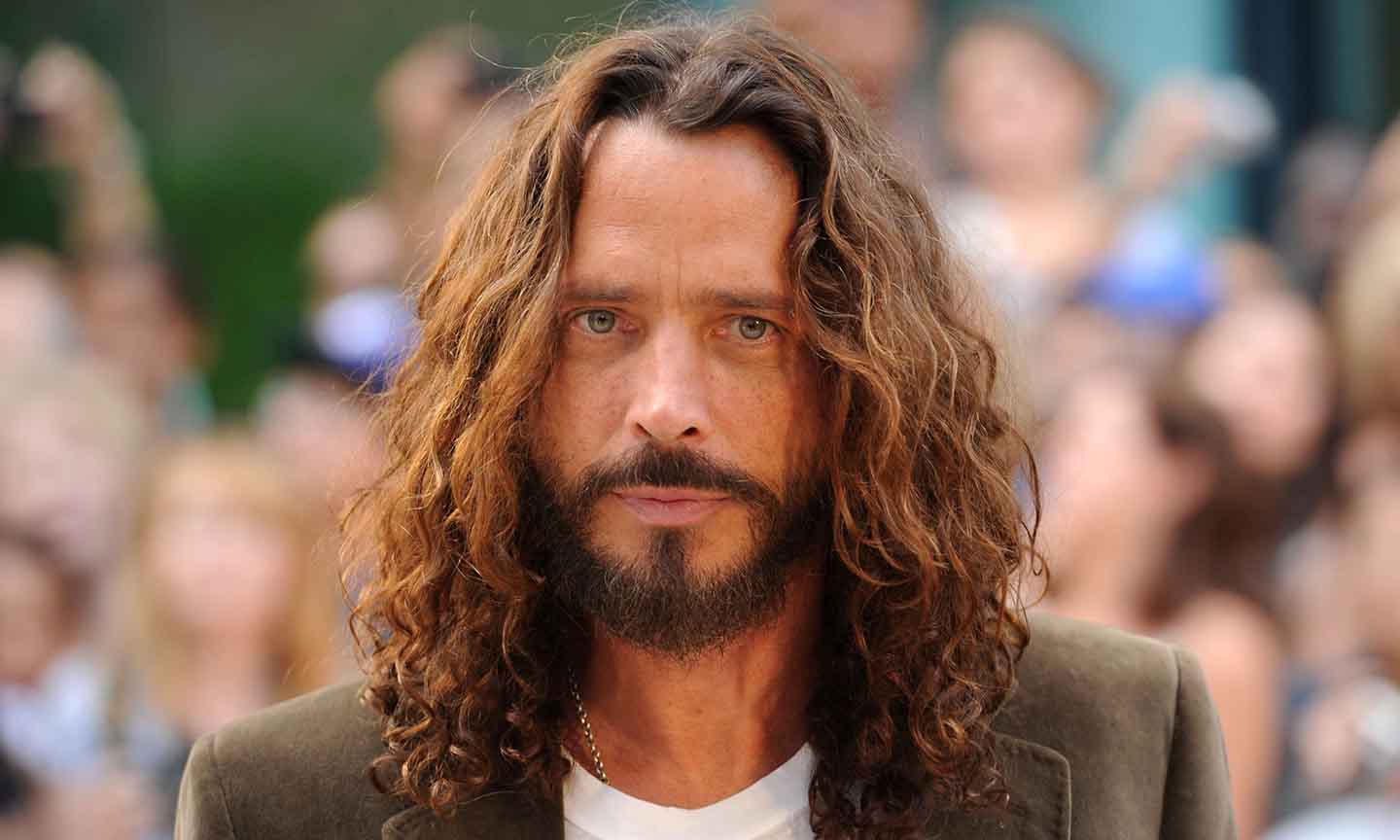
But behind the thunderous anthems and critical acclaim lay a band grappling with internal tensions, personal demons, and the pressures of fame — a journey that would culminate in both groundbreaking success and heartbreaking tragedy.
The band’s roots trace back to guitarist Kim Thayil and bassist Hiro Yamamoto, who moved from the Chicago area to the Pacific Northwest to pursue education but found themselves swept up in Seattle’s burgeoning music scene.
It was in this vibrant community that they met Chris Cornell, a quiet but immensely talented vocalist and drummer.
Initially part of a cover band called The Shemps, Cornell’s powerful voice soon became the defining element of what would become Soundgarden.
Early on, the band’s sound was described as a fusion of psychedelic jams and heavy rock, drawing comparisons to legends like Led Zeppelin and Aerosmith.
Their name, inspired by an art installation in Seattle’s Magnuson Park, symbolized the unique blend of natural and industrial influences shaping their music.
After recruiting drummer Matt Cameron in 1986, Soundgarden’s sound sharpened into a heavier, more focused force, setting the stage for their rise.
Soundgarden’s early releases on the indie label Sub Pop and later SST Records captured their raw energy but limited their reach.
Their 1988 debut album, *Ultramega OK*, showcased their punk-metal-psychedelic mix, but it was their follow-up, *Louder Than Love* (1989), that marked their transition to a major label, A&M Records.
This move was fraught with challenges, including lineup changes and the struggle to balance artistic integrity with commercial expectations.

The band’s third album, *Badmotorfinger* (1991), became a critical and commercial breakthrough.
With complex rhythms, odd time signatures, and Chris Cornell’s dynamic vocals, it established Soundgarden as pioneers of the grunge movement alongside Nirvana and Pearl Jam.
Songs like “Rusty Cage” and “Jesus Christ Pose” exemplified their aggressive yet sophisticated style, while the band’s relentless touring built a devoted fanbase.
In 1994, Soundgarden released *Superunknown*, an album that would catapult them to global fame.
Featuring hits like “Black Hole Sun,” “Spoonman,” and “Fell on Black Days,” the record debuted at number one on the Billboard charts and went six times platinum.
The album’s success earned them Grammy Awards and cemented their place in rock history.
Chris Cornell’s songwriting on *Superunknown* revealed a complex interplay of light and darkness, hope and despair.
The iconic “Black Hole Sun” combined surreal imagery with haunting melodies, reflecting Cornell’s fascination with contrasts and his lyrical depth.
Despite the album’s commercial triumph, the band remained wary of being defined by a single hit, striving to maintain their artistic identity.
Following *Superunknown*, tensions within the band began to surface.
The recording of their next album, *Down on the Upside* (1996), was marked by fractured communication and diverging creative visions.
Members pursued individual projects, and the collaborative spirit that once defined Soundgarden waned.
Personal issues, including bassist Ben Shepherd’s struggles with depression and anger, added to the strain.

Touring became increasingly difficult, with volatile performances and escalating conflicts.
Chris Cornell, once sober on the road, admitted to heavy drinking during this period, impacting his vocal performance.
The band’s cohesion unraveled, culminating in their breakup announcement in 1997.
Though their legacy was secure, the personal costs were profound.
Post-breakup, Chris Cornell embarked on a solo career and formed Audioslave with members of Rage Against the Machine, achieving further success.
However, according to his then-wife and manager Susan Silver, Cornell battled undiagnosed depression and self-medicated with prescription drugs.
The dissolution of his marriage and ongoing mental health struggles shadowed his public achievements.
Meanwhile, other band members pursued separate musical ventures, with drummer Matt Cameron joining Pearl Jam.
Though a reunion seemed unlikely for years, the band reunited in 2009, driven partly by a desire to preserve their legacy and reconnect with fans.
Soundgarden’s 2012 comeback album, *King Animal*, debuted strongly, reaffirming their relevance.
Tours and new music followed, with the band regaining momentum.
However, the pressures of life on the road and unresolved personal issues lingered beneath the surface.
On May 17, 2017, Soundgarden performed a sold-out show in Detroit, with Chris Cornell delivering a powerful performance that belied his inner turmoil.
Tragically, just hours later, Cornell was found dead in his hotel room, ruled a suicide by hanging.
His death shocked fans worldwide and marked a devastating end to Soundgarden’s remarkable journey.
In the wake of Cornell’s death, conflicts emerged between his widow, Vicky Cornell, and surviving band members over unreleased recordings.
Lawsuits ensued over rights to vocal tracks and control of the band’s digital presence, creating a painful public dispute.
After years of acrimony, a settlement was reached in 2023, paving the way for the eventual release of the final songs Chris had worked on.
Soundgarden’s story is one of musical innovation, personal struggle, and enduring influence.
Their legacy continues to inspire new generations, reminding us of the power of art to capture the complexities of life — even amid tragedy.
News
The Song that Bob Dylan Wrote About Elvis Presley
Bob Dylan and Elvis Presley are two of the most legendary figures in American music history. One is known as…

Raul Malo, Lead Singer of The Mavericks, has died at age 60
The music world is mourning the loss of Raul Malo, the charismatic lead singer of The Mavericks, who passed away…
At 69, Steve Perry Confessed This Was the Song He Couldn’t Finish
Steve Perry’s voice is one of rock’s most iconic and enduring sounds. As the lead singer of Journey, he gave…
Top 6 SHOCKING Things Axl Rose Said About Other Rock Legends!
Axl Rose, the legendary frontman of Guns N’ Roses, is known not only for his iconic voice and music but…
‘You Had ONE Job!’ How Powerman 5000 FUMBLED a Platinum Future
Powerman 5000’s story is one of bold creativity, underground buzz, and a dramatic crossroads that nearly derailed their ascent to…
‘He Knew Last Show Would Kill Him’ Ozzy Osbourne’s Final Moments | Sharon Osbourne Interview
Ozzy Osbourne, the legendary rock icon, cultural pioneer, and beloved family man, gave his final performance knowing it might be…
End of content
No more pages to load






