
In the late 1980s, Guns N’ Roses burst onto the rock scene with a raw, rebellious energy that shook the music world to its core.

Their debut album, *Appetite for Destruction* (1987), slowly morphed from a sleeper hit into one of the best-selling albums of all time, thanks to relentless touring and MTV hits like “Welcome to the Jungle” and “Sweet Child O’ Mine.”
But as the band prepared to release new material, a single track from their 1988 EP *GN’R Lies* ignited a fierce media firestorm that would embroil Guns N’ Roses in one of rock’s most enduring controversies: the song “One in a Million.”
*Appetite for Destruction* was far from an instant success. Geffen Records nearly gave up after initial sales stalled around 300,000 copies.
But the band’s relentless touring with established acts like Aerosmith and Iron Maiden, combined with MTV’s decision to play their videos, turned the tide.
By the end of 1988, the album had sold over six million copies, despite some retailers refusing to stock it due to its explicit lyrics and themes.
To hold fans over between full albums, Guns N’ Roses released *GN’R Lies*, a mix of old and new material.
The first half reused songs from their 1986 EP, which had been pressed in a tiny run of only 5-10,000 copies and was now fetching exorbitant prices.
Frontman Axl Rose wanted these tracks more accessible, so they included them on *GN’R Lies*.
The second half featured newer songs like “Patience,” “Used to Love Her,” a slowed-down “You’re Crazy,” and the incendiary “One in a Million.”
“One in a Million” is a brutally candid narrative of a small-town white boy’s harrowing experience in the big city of Los Angeles.
Axl Rose drew from personal encounters at Greyhound bus stations and convenience stores, painting a picture of fear, confusion, and alienation.
But the song’s explicit language and controversial references to racial, ethnic, and sexual minorities ignited accusations of racism, homophobia, and nationalism.
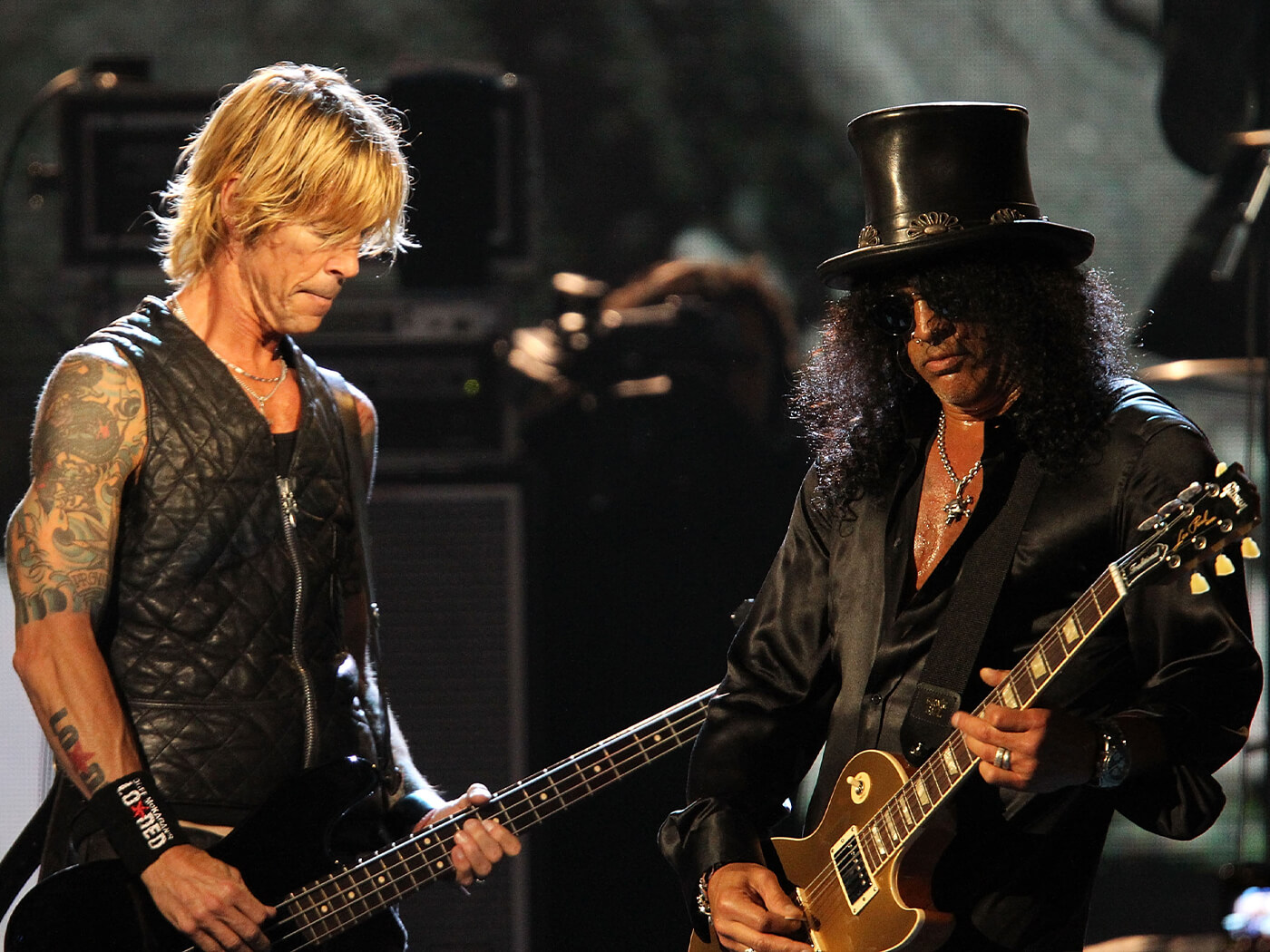
The LA Times, reviewing the EP shortly after its release, correctly predicted the storm: “Clearly, ‘One in a Million’—with its abhorrent epithetical references to gays and ethnic minorities—will be a point of controversy.”
The question lingered: Was the song an endorsement of these views or a stark portrayal of ugly small-town prejudices?
Geffen Records initially stood by the band, issuing a statement emphasizing free speech and artistic expression.
They affixed warning stickers on the album but refused to censor the band’s voice.
Bassist Duff McKagan defended the song, calling it “kinda funny” and “real life,” insisting it was Axl’s personal perspective on a bewildering new world.
But the controversy escalated.
In a 1989 *Rolling Stone* interview, Axl questioned why racial epithets were acceptable among black people but considered offensive when used by white people.
He also revealed the band’s intent to play a benefit for AIDS research, a fact that complicated the public’s perception of their message.
The backlash snowballed, with major outlets like *The New York Times* and *The Today Show* scrutinizing the song’s lyrics and themes.
Tipper Gore and the Parents Music Resource Center (PMRC) condemned the band, adding them to a growing list of musicians accused of promoting harmful content.
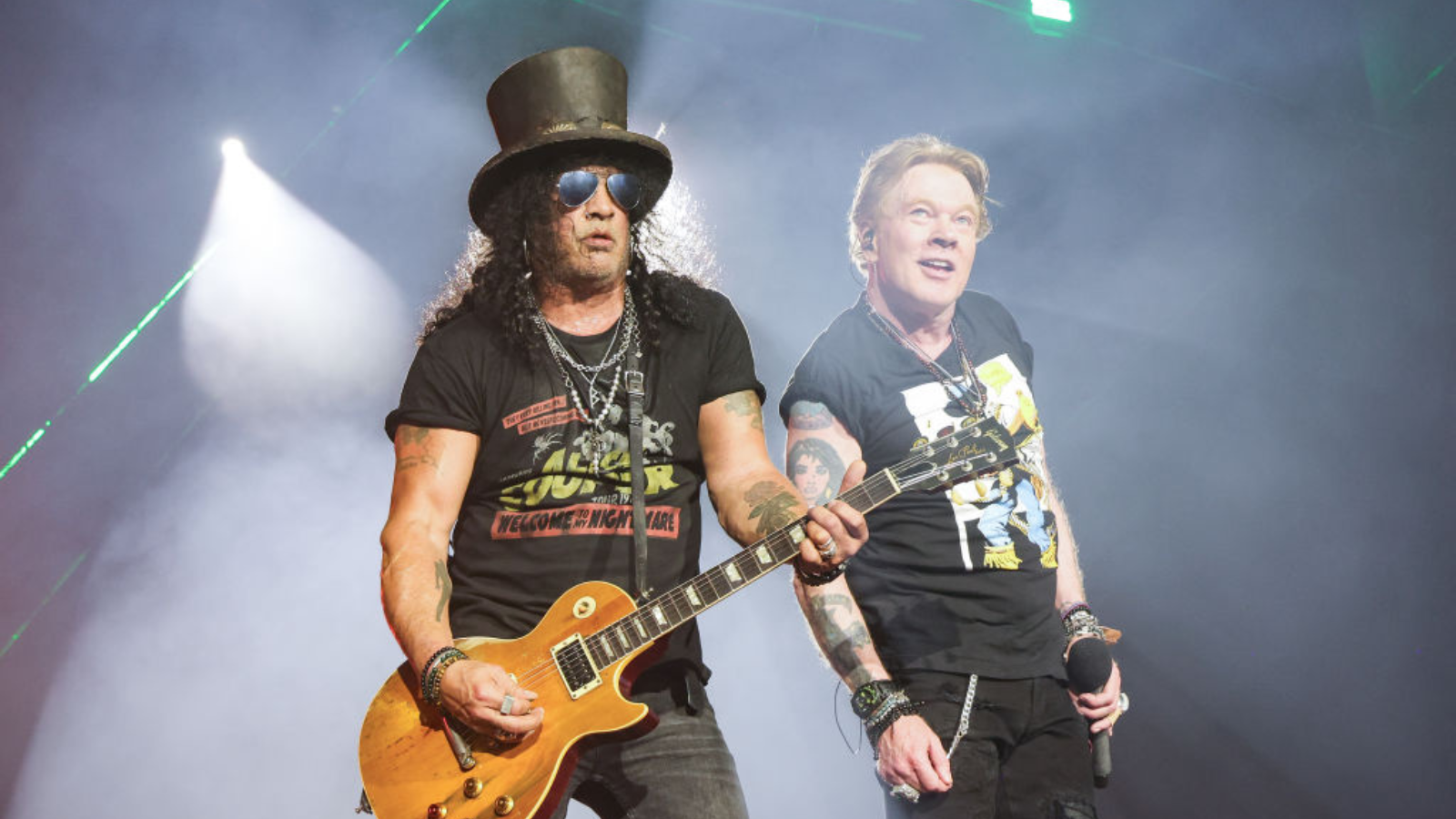
What many critics overlooked was the band’s own diversity: guitarist Slash is half-black, and Duff McKagan comes from a mixed ethnic background.
This nuance was largely ignored in the heated debates.
Late-night host Arsenio Hall famously slammed Axl Rose, warning him about the consequences of such language and calling for accountability.
Yet in a surprising twist, actor Sean Penn penned an op-ed defending Guns N’ Roses, comparing the song’s controversy to “pseudo-liberal hogwash” and likening criticism to misunderstanding a powerful war photo.
The controversy strained the band internally.
Slash later revealed that his black relatives found the song troubling and questioned his association with it.
He admitted that while Axl was entitled to free expression, the song’s fallout was “heavy shit” to live with.
Izzy Stradlin expressed discomfort with the lyrics, calling the fallout “heavy shit” and hoping lessons were learned.
Duff McKagan reflected on the song in his autobiography, acknowledging the backlash and noting that some extremist groups had co-opted the song as a “war cry,” which he found deeply uncomfortable.
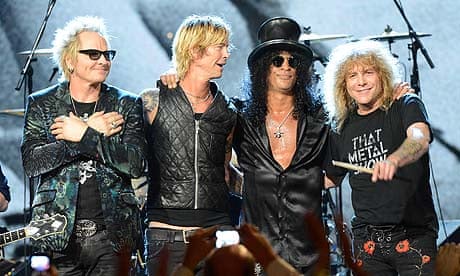
Despite the furor, *GN’R Lies* sold millions, buoyed by hits like “Patience.” However, the controversy never fully faded.
In 1992, protests erupted over Guns N’ Roses’ inclusion in the Freddie Mercury Tribute Concert, with “One in a Million” cited as a sticking point.
Fast forward to 2018, when Guns N’ Roses reissued *Appetite for Destruction* and *GN’R Lies*.
The band collectively decided to omit “One in a Million” from the box set, with Slash explaining to *Rolling Stone* that it “just didn’t have any place” in the collection, a quiet acknowledgment of the song’s lasting stain.
“One in a Million” remains one of rock’s most polarizing songs, a raw and unfiltered snapshot of Axl Rose’s fears and observations, but also a lightning rod for accusations of bigotry.
The song’s history underscores the complex relationship between artistic freedom and social responsibility, and the ways in which music can both reflect and inflame cultural tensions.
Guns N’ Roses’ story with “One in a Million” is a cautionary tale of how art can be misunderstood, misused, and remembered — a reminder that the power of music comes with an unavoidable price.
News
The Song that Bob Dylan Wrote About Elvis Presley
Bob Dylan and Elvis Presley are two of the most legendary figures in American music history. One is known as…
Raul Malo, Lead Singer of The Mavericks, has died at age 60
The music world is mourning the loss of Raul Malo, the charismatic lead singer of The Mavericks, who passed away…
At 69, Steve Perry Confessed This Was the Song He Couldn’t Finish
Steve Perry’s voice is one of rock’s most iconic and enduring sounds. As the lead singer of Journey, he gave…
Top 6 SHOCKING Things Axl Rose Said About Other Rock Legends!
Axl Rose, the legendary frontman of Guns N’ Roses, is known not only for his iconic voice and music but…
‘You Had ONE Job!’ How Powerman 5000 FUMBLED a Platinum Future
Powerman 5000’s story is one of bold creativity, underground buzz, and a dramatic crossroads that nearly derailed their ascent to…
‘He Knew Last Show Would Kill Him’ Ozzy Osbourne’s Final Moments | Sharon Osbourne Interview
Ozzy Osbourne, the legendary rock icon, cultural pioneer, and beloved family man, gave his final performance knowing it might be…
End of content
No more pages to load






