
In a recent heated discussion on ESPN’s First Take, former NFL MVP and veteran quarterback Cam Newton openly criticized Cleveland Browns head coach Kevin Stefanski for his handling of rookie quarterback Shedeur Sanders.
Newton accused Stefanski of effectively sabotaging Sanders’ development by limiting his practice reps with the first team and setting him up to fail on the field.
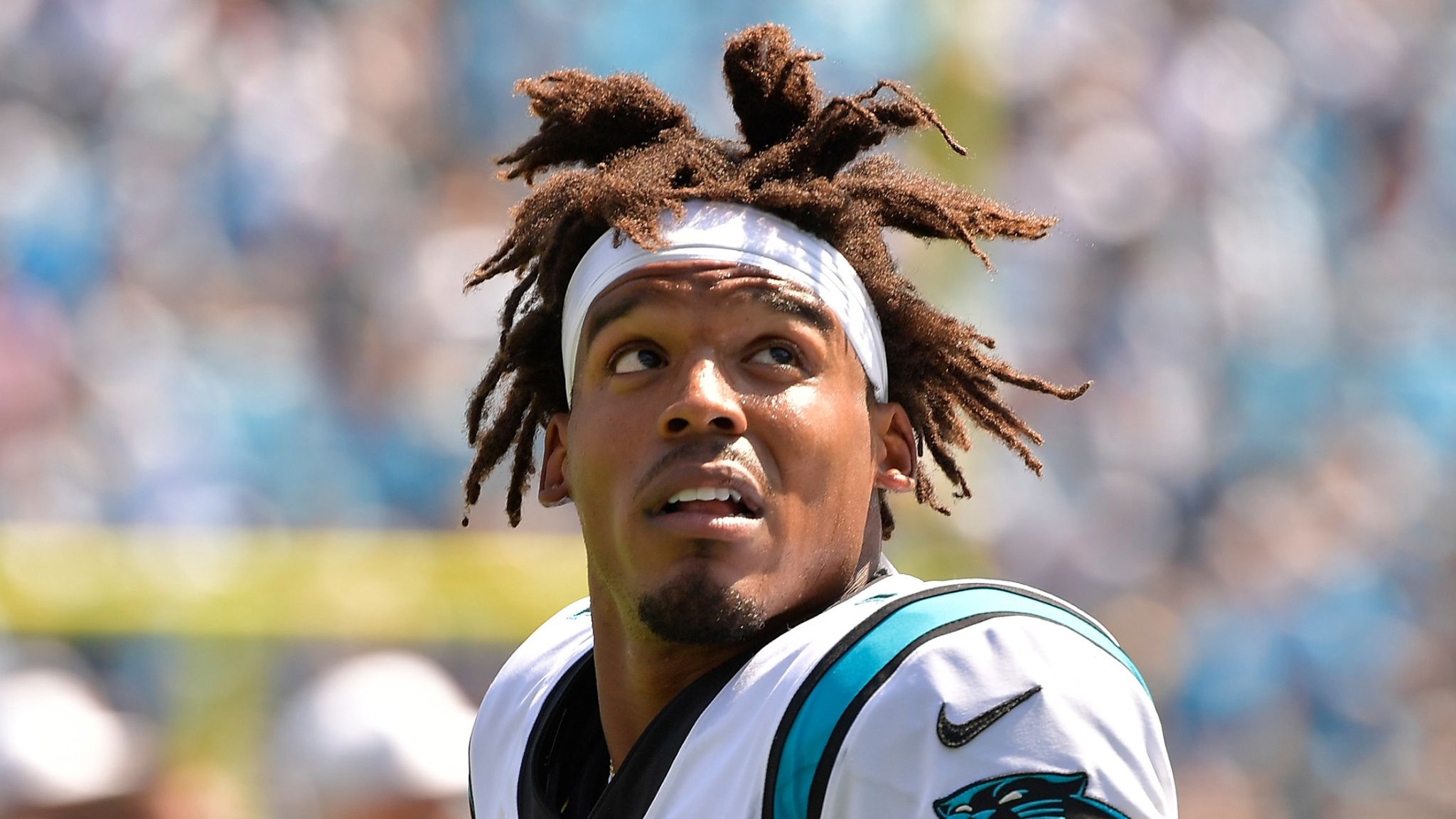
This public call-out has sparked widespread debate among Browns fans and NFL analysts about the team’s quarterback situation and coaching decisions.
The controversy stems from the Browns’ decision to keep Shedeur Sanders, a promising rookie, off the field and away from first-team reps during practice, even after starter Deshaun Watson’s injuries.
Despite Sanders being named the backup quarterback (QB2), Stefanski reportedly did not give him meaningful reps with the starting offense until very late in the season.
As Cam Newton pointed out on First Take, Sanders had not taken a legitimate first-team snap until recently — a situation that Newton finds unacceptable for any developing quarterback.
Newton argued that by denying Sanders these reps, Stefanski is not only stunting his growth but also putting him in a position where he is likely to fail once he is finally thrust into game action.
This lack of preparation leads to confusion on the field, as even the offensive line and receivers are not familiar with Sanders’ cadence and play style, resulting in breakdowns and sacks.
Cam Newton’s criticism comes from his own experience as a player who valued having a capable and prepared backup.
He recalled his time with the Carolina Panthers, where his backup Derek Anderson regularly received 6 to 12 reps per practice to stay sharp and ready in case Newton was unavailable.
Newton stressed that every NFL team should plan for contingencies by developing their backup quarterbacks through consistent practice reps and game preparation.
Newton also emphasized that coaching staff have a responsibility to develop all players, not just the starters.
If a coach fails to nurture young talent, especially a high-potential rookie like Sanders, it reflects poorly on their leadership and could be considered a “finable offense.”
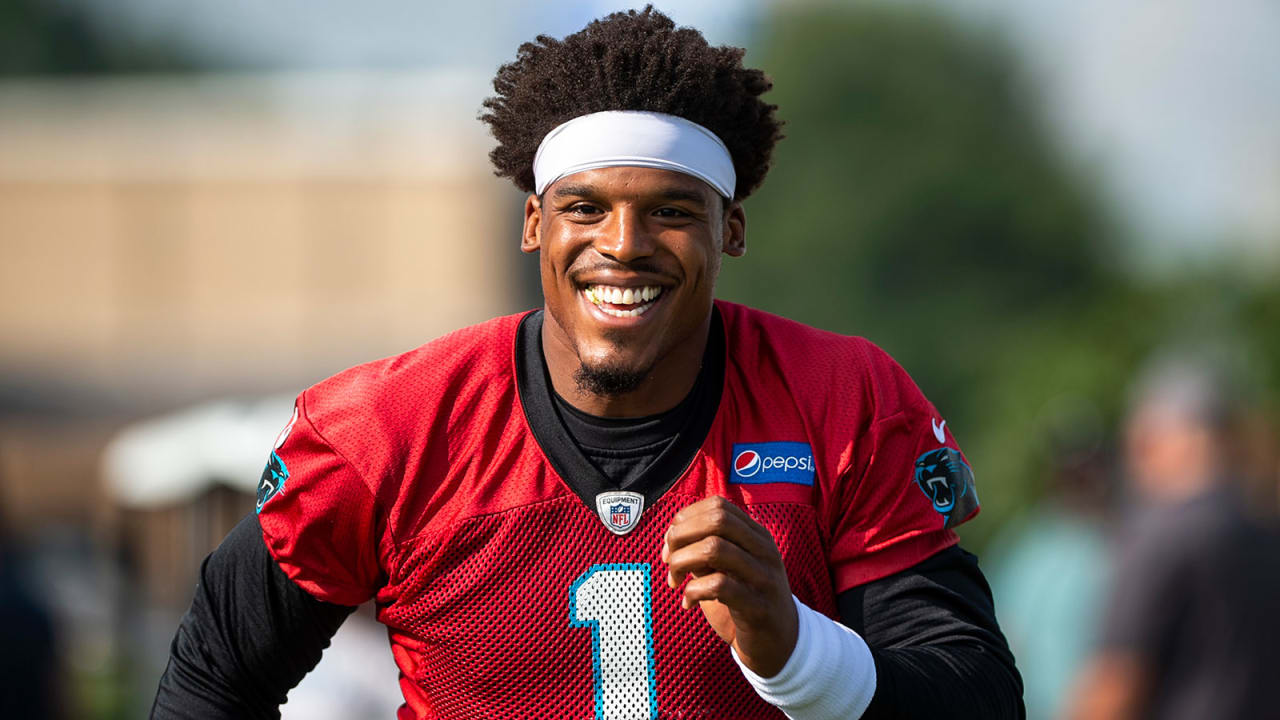
Newton’s blunt assessment highlights a broader issue of player development and trust within the Browns organization under Stefanski.
The Browns’ quarterback situation has been tumultuous this season.
Starting QB Deshaun Watson has struggled with injuries, and backup Dillon Gabriel has been thrust into starting roles despite inconsistent performances.
Fans and analysts have criticized Gabriel’s play, and many believe Sanders should have been given a chance earlier.
Adding to the frustration is the perception that Stefanski appears to favor Gabriel over Sanders despite the latter showing more promise and confidence in limited action.
This has led to speculation that Stefanski may have ulterior motives or personal preferences influencing his decisions, which some interpret as “setting Sanders up to fail.”
The tension around the quarterback position has affected the team’s chemistry and fan morale.
Some Browns players, like defensive star Miles Garrett, have publicly supported Sanders, praising his confidence and leadership qualities even in a difficult environment.
The fanbase has also expressed frustration, with many calling for Stefanski to be held accountable or even replaced.
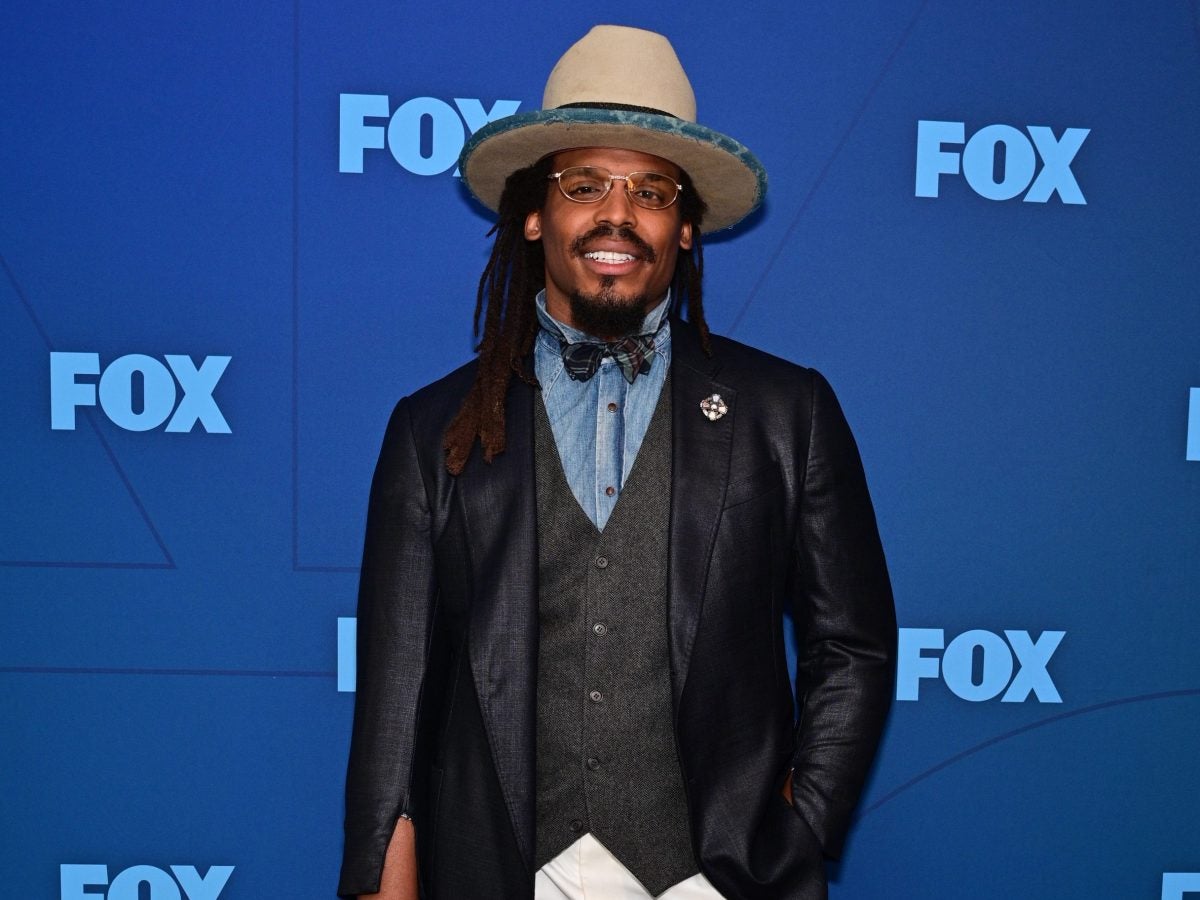
Social media and sports forums are abuzz with debates over whether the Browns are mishandling their young talent and if Stefanski’s coaching approach is hindering the team’s progress.
The lack of transparency and inconsistent messaging from the Browns’ coaching staff regarding Sanders’ status has only fueled the controversy.
The situation with Shedeur Sanders and the Browns is not unique in the NFL.
Developing young quarterbacks is a delicate balance that requires patience, trust, and strategic planning.
Successful franchises often invest heavily in grooming their backups through practice reps, mentorship, and gradual game exposure.
Cam Newton’s comments serve as a reminder that coaching decisions can have long-term impacts on a player’s career trajectory and team success.
When a coach fails to properly develop a promising rookie, it can lead to wasted talent and missed opportunities.

Cam Newton’s public criticism on a national platform like ESPN’s First Take shines a spotlight on the Cleveland Browns’ quarterback dilemma and Kevin Stefanski’s coaching decisions.
Newton’s veteran perspective underscores the importance of preparing backup quarterbacks adequately to ensure team resilience and player development.
As the Browns navigate the remainder of the NFL season, fans and analysts will be watching closely to see if Stefanski adjusts his approach to give Shedeur Sanders a fair opportunity to showcase his abilities.
The pressure is mounting for the Browns to address these internal conflicts and build a cohesive, competitive team.
News

The Song that Bob Dylan Wrote About Elvis Presley
Bob Dylan and Elvis Presley are two of the most legendary figures in American music history. One is known as…

Raul Malo, Lead Singer of The Mavericks, has died at age 60
The music world is mourning the loss of Raul Malo, the charismatic lead singer of The Mavericks, who passed away…

At 69, Steve Perry Confessed This Was the Song He Couldn’t Finish
Steve Perry’s voice is one of rock’s most iconic and enduring sounds. As the lead singer of Journey, he gave…
Top 6 SHOCKING Things Axl Rose Said About Other Rock Legends!
Axl Rose, the legendary frontman of Guns N’ Roses, is known not only for his iconic voice and music but…

‘You Had ONE Job!’ How Powerman 5000 FUMBLED a Platinum Future
Powerman 5000’s story is one of bold creativity, underground buzz, and a dramatic crossroads that nearly derailed their ascent to…

‘He Knew Last Show Would Kill Him’ Ozzy Osbourne’s Final Moments | Sharon Osbourne Interview
Ozzy Osbourne, the legendary rock icon, cultural pioneer, and beloved family man, gave his final performance knowing it might be…
End of content
No more pages to load






