
Megadeth, one of the most iconic thrash metal bands in history, is synonymous with its fiery founder and frontman, Dave Mustaine.

While fans often associate the bassist role primarily with David Ellefson, the band’s history reveals a revolving door of talented bassists who have come and gone under dramatic circumstances.
From chance meetings to scandalous departures, the saga of Megadeth’s bass players is a story of music, metal, and messy human drama.
After being famously kicked out of Metallica in 1983, Dave Mustaine found himself back in Los Angeles, not exactly living the rockstar dream.
Working a telemarketing job alongside friends Robbie McKinney and Matt Kisselstein, Mustaine scraped together enough money to form a new band.
This short-lived project, Fallen Angel, featured Kisselstein as the bassist and McKinney on second guitar.
However, the band quickly fell apart due to a lack of chemistry, energy, and technical skill.
Mustaine himself later admitted the group was doomed from the start.
But fate had other plans.
A young bassist named David Ellefson moved into the apartment below Mustaine’s.
One morning, Mustaine was jolted awake by Ellefson’s loud bass practicing.
After angrily throwing a flower pot and yelling “Shut up,” the two eventually met, bonded over beers, and the real Megadeth was born.
Ellefson would go on to become the only member besides Mustaine to appear on every Megadeth album from the debut through their 2002 split.

David Ellefson’s bass playing became a cornerstone of Megadeth’s sound during the band’s rise to thrash metal stardom.
He was there through the band’s most iconic periods, including the birth of thrash, the MTV years, and the band’s initial meltdown and resurrection.
Ellefson’s tight playing and musical chemistry with Mustaine helped define the band’s aggressive yet intricate style.
In 2004, when Mustaine reformed Megadeth after a hiatus, he wanted Ellefson back on bass.
However, negotiations fell through as Ellefson reportedly asked for more money than Mustaine was willing to pay.
This led to the first time Megadeth recorded and toured without their longtime bassist.
Following Ellefson’s departure, James MacDonough stepped in.
A seasoned metal bassist, MacDonough had spent years with power metal giants Iced Earth, recording six albums and two EPs with them.
A huge Megadeth fan, he jumped at the chance to join the band, with the blessing of his former bandmate Jon Schaffer.
MacDonough’s time with Megadeth was short but significant.
He played on the first Gigantour festival in 2005, a major event organized by Mustaine himself.
After two years and no studio albums, MacDonough parted ways amicably with the band in early 2006, a rare drama-free exit in the metal world.

Almost immediately after MacDonough’s exit, James LoMenzo took over bass duties.
Known as Jay Lo, LoMenzo had a long career dating back to the 1970s with the band Empty Sky, blending rock with jazz influences.
He gained fame with glam metal band White Lion, whose 1987 album *Pride* went double platinum.
LoMenzo’s style aligned well with Mustaine’s socially conscious lyrics, and he brought both technical skill and stage presence to Megadeth.
He recorded two studio albums with the band—*United Abominations* (2007) and *Endgame* (2009)—before leaving in 2010.
After David Ellefson’s 2021 scandal and firing, LoMenzo returned to Megadeth, initially as a touring member and later as the full-time bassist.
His return marks him as the second bassist in Megadeth history to have multiple stints with the band and the second longest-serving bassist after Ellefson.
David Ellefson’s second tenure with Megadeth saw the release of three studio albums: *Thirteen*, *Super Collider*, and *Dystopia*.
The latter was one of the band’s highest-charting albums in recent years and critically acclaimed by many fans.
However, things took a dark turn in 2021.

Just before the release of *The Sick, The Dying, and The Dead*, a scandal involving leaked videos and accusations surfaced against Ellefson.
The fallout was swift and severe, with Megadeth firing him for what appears to be a permanent split.
Mustaine made it clear he wanted no further collaboration with Ellefson, marking a dramatic end to a partnership that had lasted decades.
The story doesn’t end with the main bassists.
When Mustaine recorded *The System Has Failed* in 2004, the band was essentially on hiatus.
Mustaine recruited session musicians, including Jimmy Lee Sloas, who came from a background in Christian contemporary and country music.
Despite his lack of metal experience, Sloas delivered some of the heaviest bass tones on the album, earning respect from fans and critics alike.
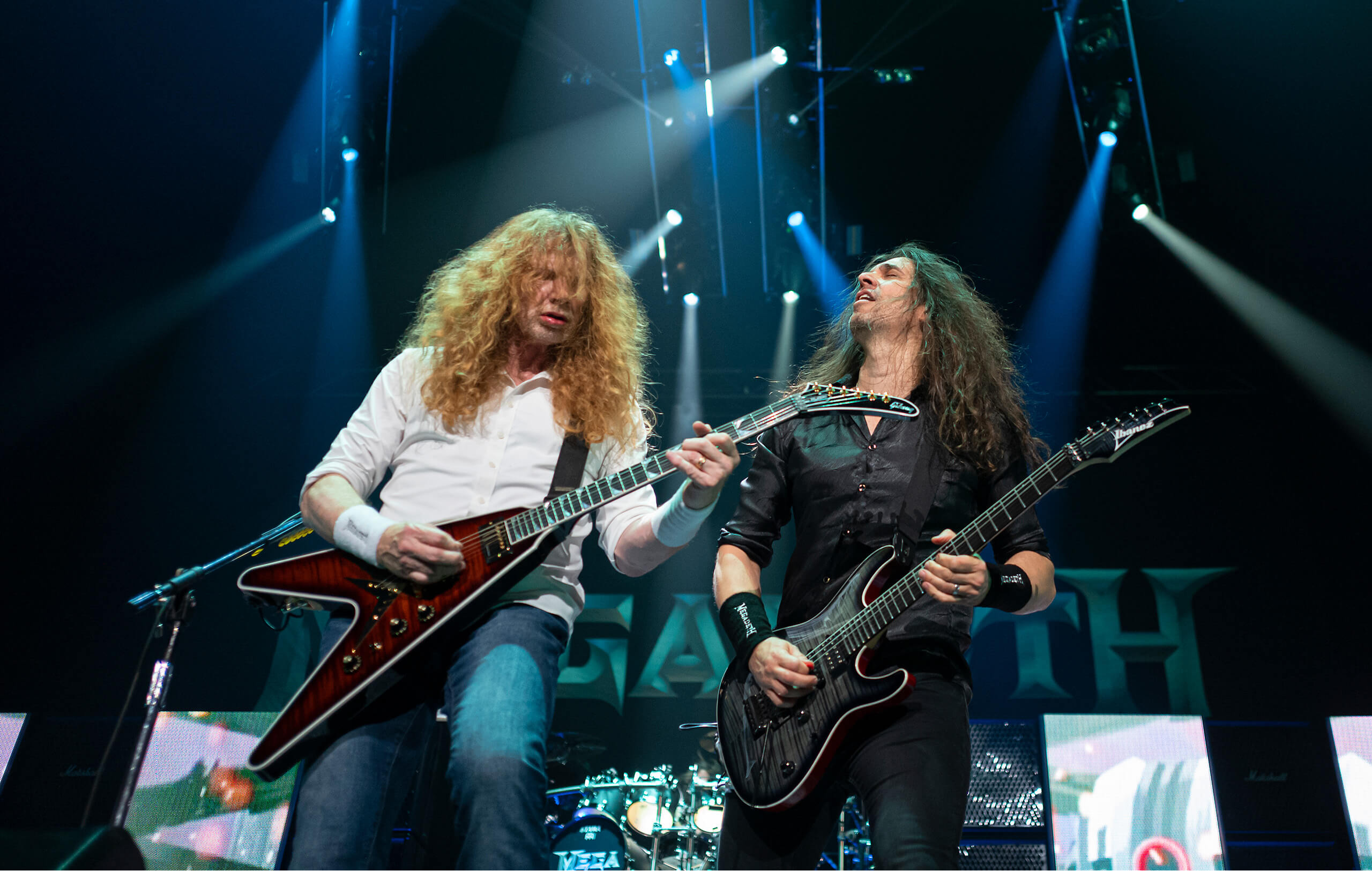
In 2021, after Ellefson’s dismissal, Testament’s Steve DiGiorgio was invited to rerecord all bass parts for *The Sick, The Dying, and The Dead*.
DiGiorgio became the first fretless bassist to appear on a Megadeth record, adding a unique texture to the band’s legacy.
From the accidental meeting between Mustaine and Ellefson to the revolving door of talented musicians who followed, the bassists of Megadeth have played a crucial role in shaping the band’s sound and history.
Each brought their own style, challenges, and stories to the table, reflecting the turbulent nature of life in a legendary metal band.
Today, with James LoMenzo back in the fold, Megadeth seems poised to continue their journey with renewed energy.
But the saga of finding and losing bassists remains a testament to the complexities behind the music—the friendships, conflicts, and personal dramas that fuel the fire of thrash metal’s enduring spirit.
News
The Song that Bob Dylan Wrote About Elvis Presley
Bob Dylan and Elvis Presley are two of the most legendary figures in American music history. One is known as…

Raul Malo, Lead Singer of The Mavericks, has died at age 60
The music world is mourning the loss of Raul Malo, the charismatic lead singer of The Mavericks, who passed away…
At 69, Steve Perry Confessed This Was the Song He Couldn’t Finish
Steve Perry’s voice is one of rock’s most iconic and enduring sounds. As the lead singer of Journey, he gave…
Top 6 SHOCKING Things Axl Rose Said About Other Rock Legends!
Axl Rose, the legendary frontman of Guns N’ Roses, is known not only for his iconic voice and music but…
‘You Had ONE Job!’ How Powerman 5000 FUMBLED a Platinum Future
Powerman 5000’s story is one of bold creativity, underground buzz, and a dramatic crossroads that nearly derailed their ascent to…
‘He Knew Last Show Would Kill Him’ Ozzy Osbourne’s Final Moments | Sharon Osbourne Interview
Ozzy Osbourne, the legendary rock icon, cultural pioneer, and beloved family man, gave his final performance knowing it might be…
End of content
No more pages to load






