
In the early 2000s, Nickelback was everywhere. Their song “How You Remind Me” became one of the most played songs on American radio, dominating airwaves and topping charts.

The band sold out arenas, moved millions of albums, and seemed to embody mainstream rock success.
Yet, despite this commercial triumph, Nickelback became the target of an unprecedented wave of hate and ridicule, transforming into the most hated band on the planet.
How did a band so beloved by millions become a global punchline? The answer lies in a perfect storm of cultural shifts, industry gatekeeping, and internet meme culture.
Nickelback’s breakthrough coincided with one of America’s darkest moments — the September 11, 2001 attacks.
Their album *Silver Side Up*, released on that fateful day, featured “How You Remind Me,” a song about frustration and regret that somehow resonated deeply with a nation grappling with fear and uncertainty.
The band performed that night, offering a distraction from the chaos and a soundtrack for millions.
The song’s success was meteoric, hitting number one on multiple Billboard charts and becoming the most played song on American radio.
This ubiquity propelled Nickelback into global superstardom.
They toured relentlessly, selling out stadiums worldwide and racking up platinum and diamond certifications.
Their music was straightforward and relatable — songs about everyday life, drinking, relationships, and rockstar dreams.
It was music made for the masses, and the masses loved it.

But with great success came great backlash.
Nickelback’s mainstream appeal made them the perfect scapegoat for critics and cultural snobs who equated popularity with lack of artistic merit.
They became the poster children for “bad music,” the subject of countless jokes, memes, and internet campaigns.
The hate was not born from scandal or offensive content but from their very existence as a commercially successful rock band.
The band’s image — suburban, polished, and “trying too hard” — clashed with the emerging indie and alternative rock scenes, where authenticity was prized and commercial success often viewed with suspicion.
Bands like The White Stripes and The Strokes, with their raw, mysterious personas, became the new cool, while Nickelback was derided as corporate and formulaic.
The internet amplified this disdain into a global movement.
Nickelback became a meme, a punchline repeated ad nauseam.
Jokes about their music were everywhere: “Friends don’t let friends listen to Nickelback,” “Nickelback makes me want to kill Nickelback,” and even absurd claims that playing their music backward revealed sinister messages.
The hate was so pervasive that someone even created a browser extension to block mentions of the band online.
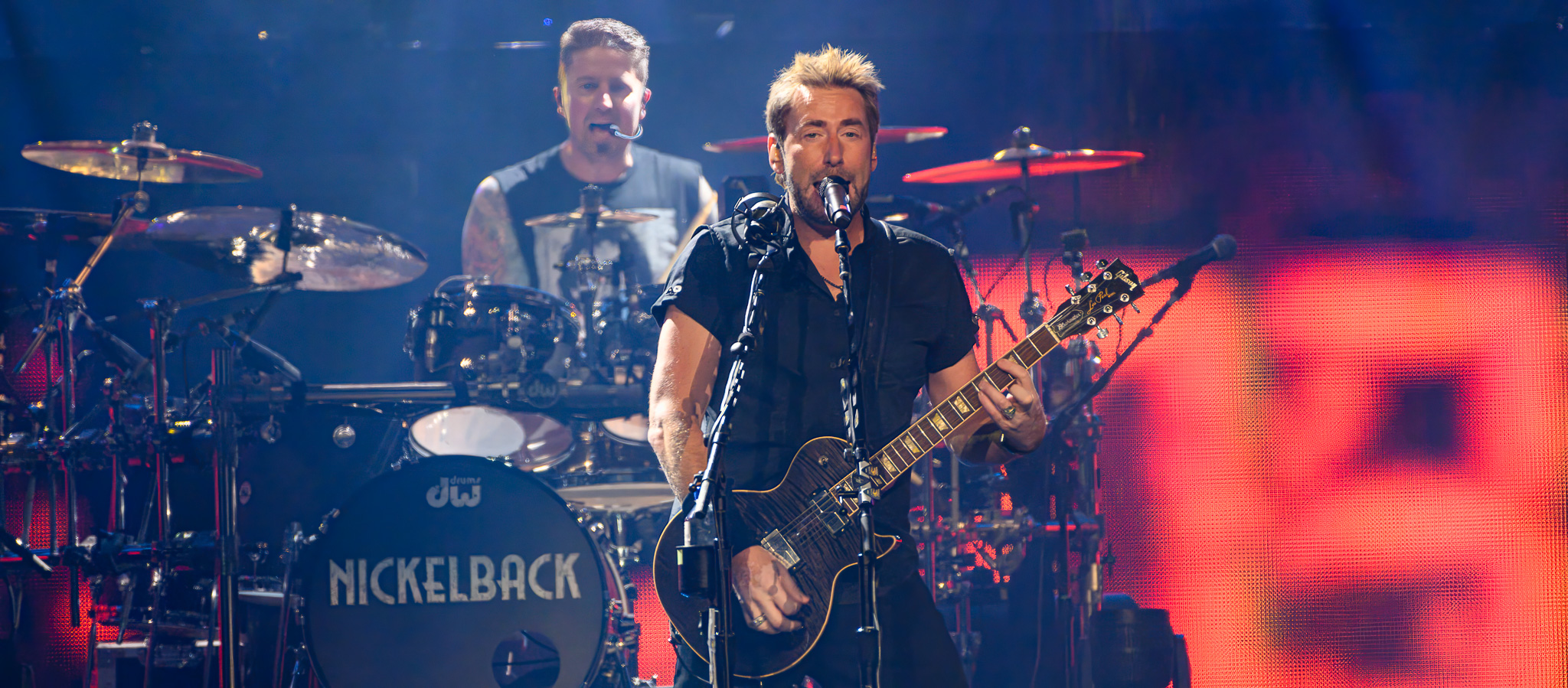
Radio stations and petition campaigns joined the chorus, promising never to play Nickelback or to play them nonstop as a form of punishment.
The band was “canceled” before cancel culture had a name.
This collective mockery became a bizarre social ritual, a way for people to signal their cultural sophistication by hating Nickelback.
Music critics and industry gatekeepers played a significant role in shaping Nickelback’s reputation.
Despite their massive sales, Nickelback was often panned by critics, creating a disconnect between popular taste and critical approval.
A Finnish study showed that as Nickelback’s commercial success grew, their critical reviews declined in near-perfect correlation.
This tension revealed a deeper conflict: if the public loved Nickelback but critics hated them, what did that say about the authority of tastemakers? Nickelback’s popularity challenged the gatekeeping system, threatening the idea that only certain artists deserved attention and acclaim.
The early 2000s represented the last era of media monoculture, where a few TV channels, radio stations, and magazines controlled cultural narratives.
Nickelback’s rise happened under this system, which helped create shared cultural moments — everyone heard the same songs, watched the same shows, and talked about the same things.
But the advent of smartphones, streaming, and social media shattered this monoculture.
Algorithms personalized content feeds, fragmenting audiences into countless micro-communities with vastly different tastes.
In this new “filter world,” shared experiences became rare, and cultural consensus fractured.

This fragmentation means the kind of universal recognition Nickelback enjoyed — and hated — is unlikely to happen again.
The band’s fate is a relic of a bygone era when music was a shared language.
Ironically, the hate helped Nickelback endure. Every meme, joke, and viral moment kept the band in public consciousness, providing free publicity.
While many post-grunge bands from the era faded into obscurity, Nickelback kept touring, releasing albums, and maintaining a loyal fanbase.
They never apologized or tried to become “cooler.” Instead, they doubled down on their straightforward rock approach, which continued to resonate with millions.
In a world where cultural consensus is impossible, Nickelback remains one of the last bands that united people — even if that unity was through shared disdain.
Nickelback’s story is more than a tale of ridicule; it’s a reflection of cultural dynamics, media evolution, and the tension between popular taste and critical judgment.
They became the most hated band not because of their music alone but because they represented everything the “cool kids” rejected: commercial success, straightforward songwriting, and mass appeal.
Yet, there’s something almost poetic about their survival.
In a fragmented world where no one agrees on anything, Nickelback’s universal notoriety is a rare constant.
Love them or hate them, they are undeniably a defining part of rock history — the last band to truly dominate the mainstream before the digital age changed everything.
News
The Song that Bob Dylan Wrote About Elvis Presley
Bob Dylan and Elvis Presley are two of the most legendary figures in American music history. One is known as…

Raul Malo, Lead Singer of The Mavericks, has died at age 60
The music world is mourning the loss of Raul Malo, the charismatic lead singer of The Mavericks, who passed away…
At 69, Steve Perry Confessed This Was the Song He Couldn’t Finish
Steve Perry’s voice is one of rock’s most iconic and enduring sounds. As the lead singer of Journey, he gave…
Top 6 SHOCKING Things Axl Rose Said About Other Rock Legends!
Axl Rose, the legendary frontman of Guns N’ Roses, is known not only for his iconic voice and music but…
‘You Had ONE Job!’ How Powerman 5000 FUMBLED a Platinum Future
Powerman 5000’s story is one of bold creativity, underground buzz, and a dramatic crossroads that nearly derailed their ascent to…
‘He Knew Last Show Would Kill Him’ Ozzy Osbourne’s Final Moments | Sharon Osbourne Interview
Ozzy Osbourne, the legendary rock icon, cultural pioneer, and beloved family man, gave his final performance knowing it might be…
End of content
No more pages to load






