
In August 1991, the Seattle-based band Pearl Jam burst onto the music scene with their debut album *Ten*.
Arriving at the height of the grunge explosion, *Ten* distinguished itself from other contemporaries by blending classic rock influences with socially conscious lyrics.
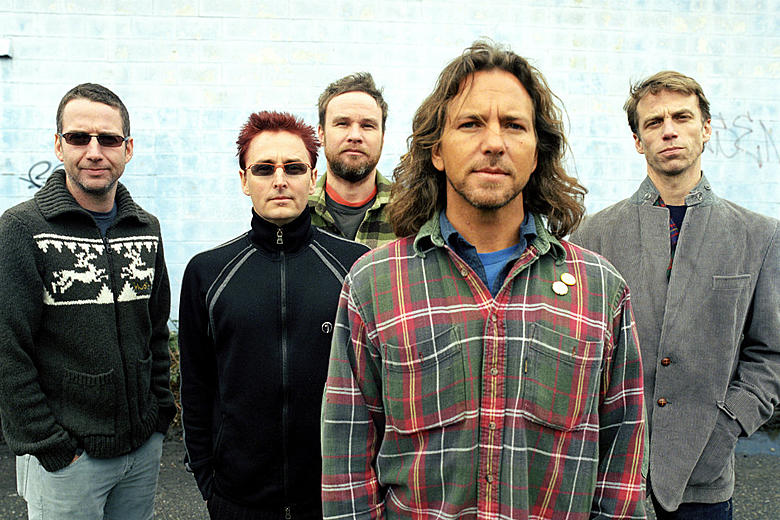
Unlike many grunge bands that focused heavily on personal angst, Pearl Jam wrote songs addressing real-world issues, setting them apart from the pack.
Following the release of *Ten*, Pearl Jam threw themselves into a relentless touring schedule, building a reputation for intense live performances.
Their approach to music videos was equally authentic; rejecting the glamorized, staged videos popular at the time, the band insisted on live concert footage, aiming to capture the raw energy and authenticity of their shows.
This approach not only reinforced their image but was also practical, as it allowed them to focus on touring without the disruption of elaborate video shoots.
Despite the growing popularity and rising album sales, critical reception was mixed.
Some reviewers praised the emotional depth of *Ten*, while others criticized its polished production, which contrasted with the raw, lo-fi aesthetic typical of the Seattle grunge scene.
The band had recorded the album in a major studio with producer Rick Parashar, who aimed for a classic rock sheen to make the record radio-friendly.
This sound, though not entirely to the band’s liking—Eddie Vedder later admitted he couldn’t even listen to the album—was ironically what helped *Ten* break through to a wide audience.
MTV played a pivotal role in Pearl Jam’s rise.
As the music channel sought to stay relevant, it embraced the grunge movement wholeheartedly.
Pearl Jam’s emotional performances and Eddie Vedder’s charismatic presence translated perfectly to the screen, earning them heavy rotation.
When *Ten* started climbing the charts, MTV offered the band a coveted spot on *MTV Unplugged*, a show known for stripping down artists’ music to its acoustic essence.

Pearl Jam eagerly accepted the invitation, seeing it as an opportunity to present their songs closer to their original sound, away from the polished production of *Ten*.
This was a chance to prove their authenticity and musicianship in a minimalist setting.
Around this time, Pearl Jam faced harsh criticism not only from the press but from fellow Seattle musicians.
Most notably, Kurt Cobain of Nirvana accused Pearl Jam of jumping on the grunge bandwagon and being too commercial.
Cobain’s remarks were scathing; he said he wished he could erase any association with the band and labeled them as fakes who prioritized money over authenticity.
Cobain’s criticism stemmed from two main points: Pearl Jam’s quick signing to a major label and their broad, inoffensive appeal.
Pearl Jam became a scapegoat for what some saw as the commercialization of the grunge movement.
However, the band was shocked by these attacks and publicly expressed respect for Nirvana.
Ironically, Cobain’s own career involved compromises similar to those he criticized in Pearl Jam, including signing to a major label and producing polished music videos for MTV.
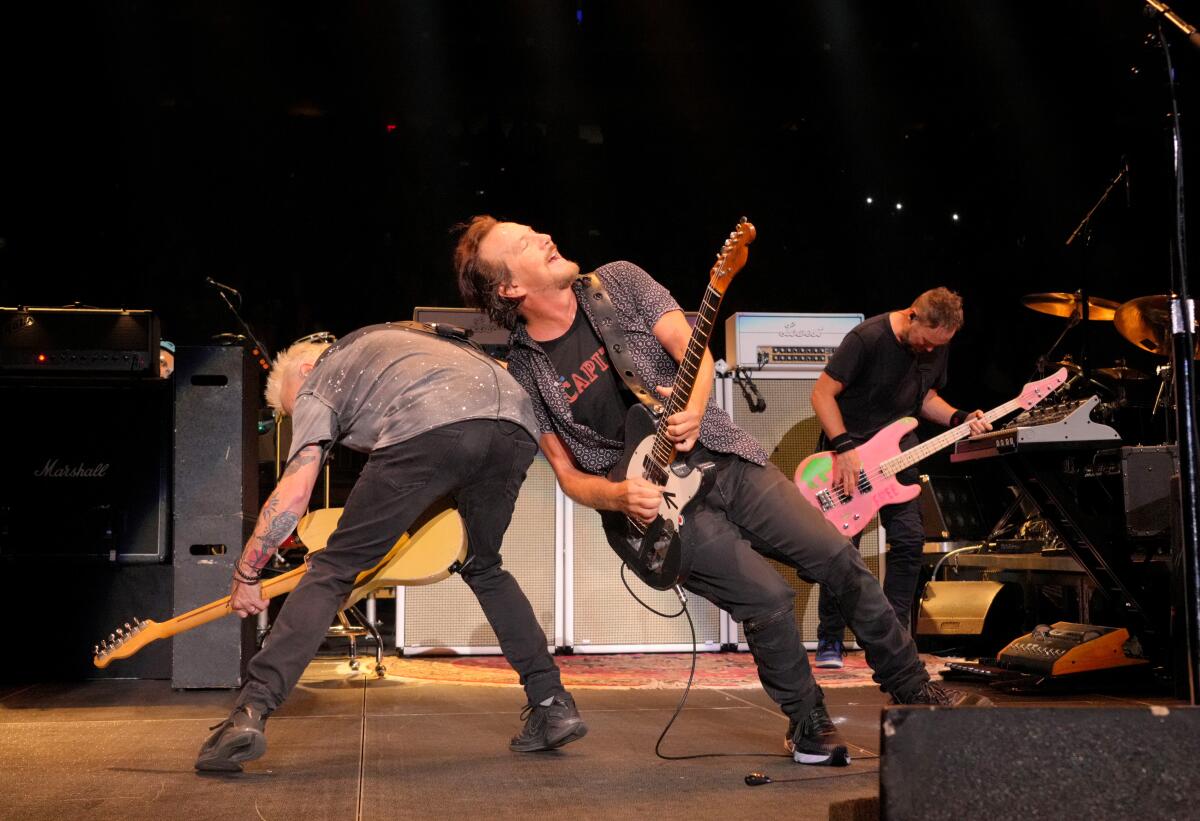
In May 1992, Pearl Jam began rehearsals for *MTV Unplugged* at Kaufman Astoria Studios in Queens, New York.
Coming off a European tour, the band had only three days to prepare.
Critics doubted they could pull off an intimate, acoustic set given their reputation for loud, electric shows.
The band faced practical challenges: some instruments didn’t arrive on time, forcing them to rent substandard gear.
Mike McCready’s acoustic guitar was so poorly constructed it hindered his ability to play lead solos.
After a late-night call, better equipment was secured, but with limited time, they kept the setlist simple—seven songs, mostly from *Ten*.
Exhausted and unfamiliar with the stripped-down format, the band found themselves forced to rethink their songs and their approach.
Eddie Vedder reportedly visualized the performance as a conversation rather than a spectacle, sitting cross-legged during rehearsals to get into the right mindset.
On March 16, 1992, Pearl Jam took the stage for their *Unplugged* performance.
They appeared understated—no timed entrances, no grand lighting or candles, just a barebones stage.
The audience was small, about 200 people, mainly industry guests, MTV staff, and a few lucky fans.
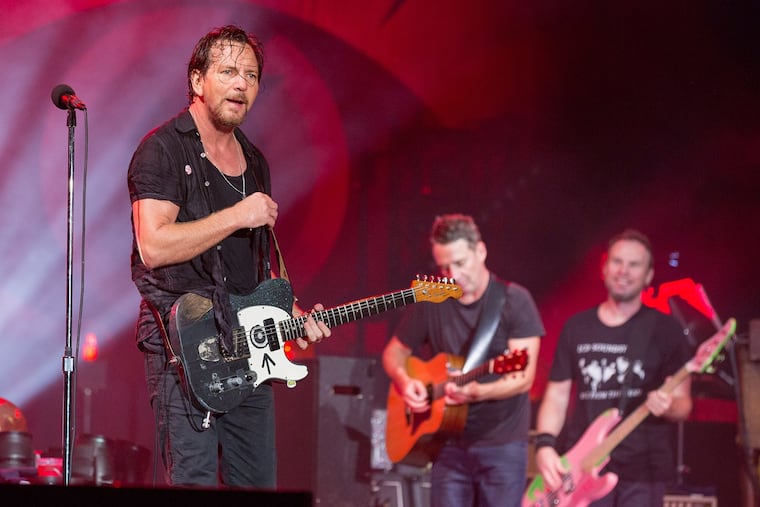
Vedder counted in the first song, “Oceans,” setting a relaxed tone.
The band treated the show like a loose gig rather than a polished TV production, focusing on raw talent over spectacle.
The performance gradually built energy, moving through songs like “State of Love and Trust,” “Alive,” and “Black.”
Vedder’s vocals ranged from subdued and introspective to emotionally powerful, conveying the stories behind the songs with sincerity.
“Jeremy” was particularly focused, with Vedder delivering the lyrics with deep personal connection.
The song, half inspired by a tragic real-life event and half by Vedder’s own difficult childhood, resonated strongly with the audience.
The energy peaked with “Even Flow,” where the band translated their electric tour experience into an acoustic setting without losing intensity.
The final song, “Porch,” was fast-paced and wild, with Vedder making a political statement by writing “pro-choice” on his arm during the performance.
The show ended with a spontaneous, energetic finale, the band throwing instruments and Vedder thanking the audience in a casual, relaxed manner.
It felt more like a genuine concert than a TV taping.
The *Unplugged* performance was a turning point for Pearl Jam.
Their fan base doubled as MTV introduced them to millions who had never seen them live.
Album sales for *Ten* surged, and the show captured the band at a moment of transition—still new, still finding their identity, but fiercely determined to remain authentic.
The director of the taping credited the success to the band’s refusal to overthink arrangements.
They simply swapped electric guitars for acoustic ones and kept the energy high, bringing the power of their live shows into an unplugged format without reinventing their sound.
Despite the critical acclaim and fan enthusiasm, the band themselves were not fully satisfied.
They felt the rushed preparation and rented gear compromised the quality and were reluctant to release the performance as an official album.
Nevertheless, today it is regarded as one of the most powerful *Unplugged* sessions ever, celebrated for its rawness, imperfection, and unforgettable emotional impact.
Pearl Jam’s *MTV Unplugged* appearance proved their authenticity and musicianship at a time when they faced skepticism from critics and peers alike.
By embracing a stripped-down format, they showcased the strength of their songwriting and their ability to connect with audiences on a deeply emotional level.
The performance remains a landmark moment in their career and a testament to their enduring influence in rock music.
News
The Song that Bob Dylan Wrote About Elvis Presley
Bob Dylan and Elvis Presley are two of the most legendary figures in American music history. One is known as…

Raul Malo, Lead Singer of The Mavericks, has died at age 60
The music world is mourning the loss of Raul Malo, the charismatic lead singer of The Mavericks, who passed away…
At 69, Steve Perry Confessed This Was the Song He Couldn’t Finish
Steve Perry’s voice is one of rock’s most iconic and enduring sounds. As the lead singer of Journey, he gave…
Top 6 SHOCKING Things Axl Rose Said About Other Rock Legends!
Axl Rose, the legendary frontman of Guns N’ Roses, is known not only for his iconic voice and music but…
‘You Had ONE Job!’ How Powerman 5000 FUMBLED a Platinum Future
Powerman 5000’s story is one of bold creativity, underground buzz, and a dramatic crossroads that nearly derailed their ascent to…
‘He Knew Last Show Would Kill Him’ Ozzy Osbourne’s Final Moments | Sharon Osbourne Interview
Ozzy Osbourne, the legendary rock icon, cultural pioneer, and beloved family man, gave his final performance knowing it might be…
End of content
No more pages to load






