
The Cleveland Browns recently suffered another embarrassing loss, this time against the New York Jets, sparking renewed criticism of head coach Kevin Stefanski, especially regarding his decision to stick with quarterback Dylan Gabriel instead of starting the promising young Shedeur Sanders.
The Browns’ struggles have reignited debates about Stefanski’s leadership and decision-making, raising questions about whether his stubbornness could ultimately cost him his job.
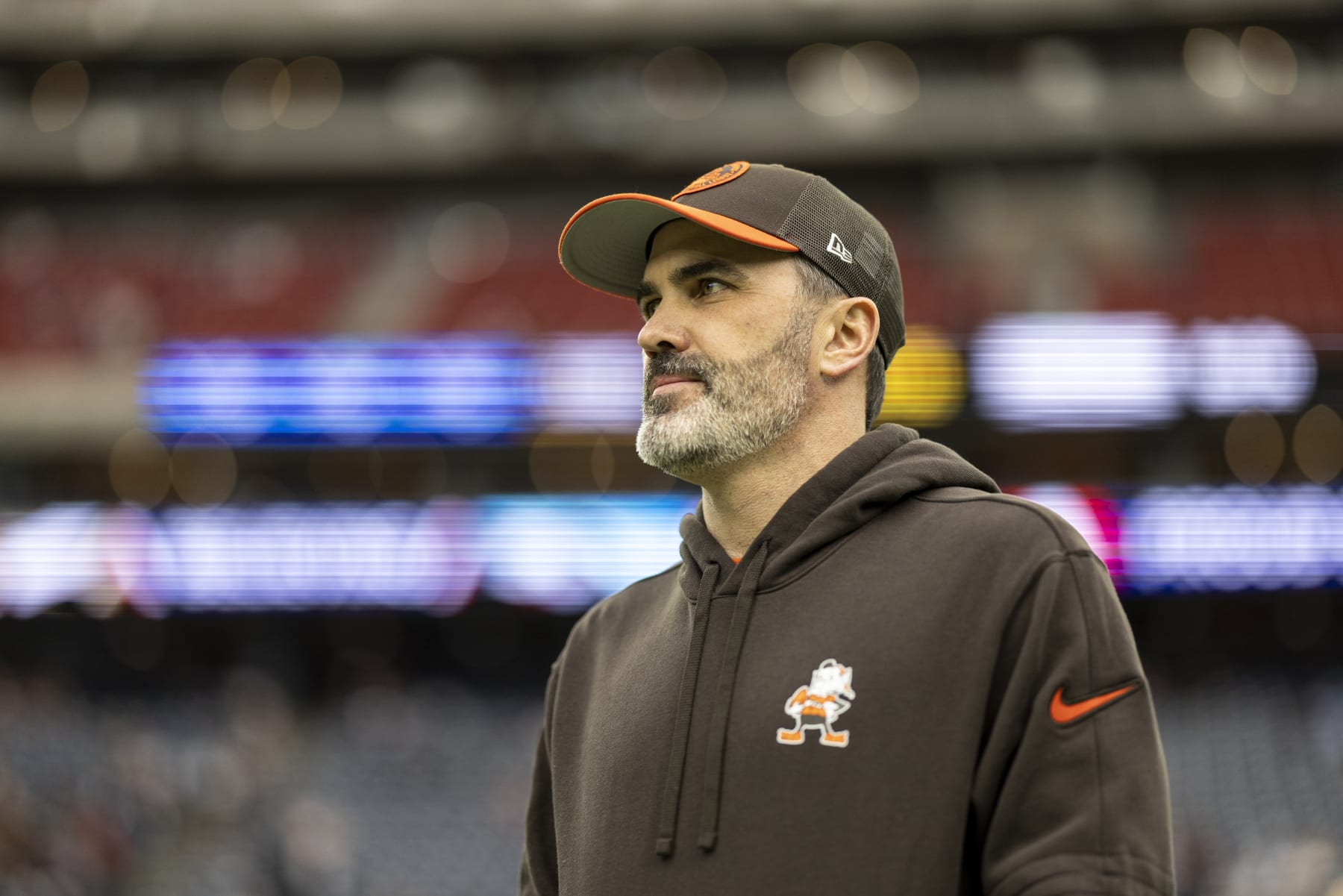
In the game against the Jets, the Browns lost in a manner that frustrated fans and analysts alike.
Despite outgaining the Jets by over 100 yards, Cleveland allowed two kickoff return touchdowns in the first quarter, a glaring special teams failure that contributed heavily to the defeat.
Offensively, Dylan Gabriel’s performance was mediocre.
Although his stats didn’t look terrible on paper, several throws were erratic, including some that bounced on the ground or were wildly off-target.
When asked about the quarterback situation post-game, Stefanski reiterated his commitment to Gabriel, stating, “Yeah, we’re going to stick with Dylan.
” This response only fueled speculation that Stefanski’s pride and stubbornness are preventing him from making the necessary changes to improve the team’s fortunes.
Dylan Gabriel’s play has been described as “not bad,” but far from inspiring or galvanizing the Browns’ offense.
He struggles to keep the team ahead of the chains, failing to consistently make plays that would keep drives alive or put points on the board.
Meanwhile, Shedeur Sanders, the young backup quarterback, has shown flashes of promise in limited action, prompting calls from fans and commentators to give him the starting role.
Critics argue that Stefanski’s refusal to start Sanders is baffling, especially given the Browns’ poor record (2-7) and their position near the bottom of their division.
Some suggest that Stefanski dislikes Sanders or doubts his readiness, but the coach’s vague and dismissive comments when Sanders is brought up only add to the perception of bias or reluctance.
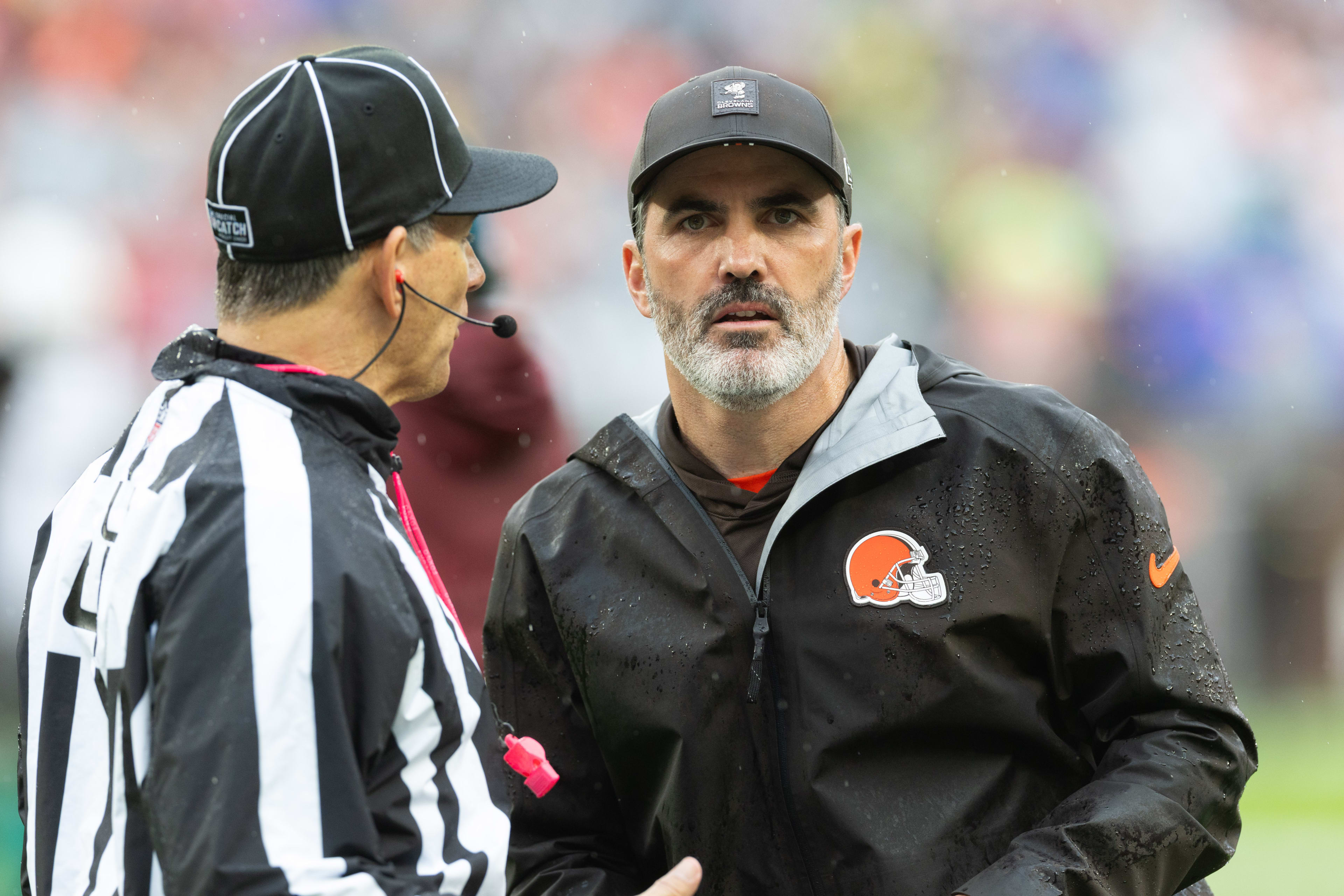
Stefanski is no stranger to success; he has won Coach of the Year twice and was once hailed as a transformative figure for the Browns.
However, recent seasons have seen a decline in the team’s competitiveness, with injuries and poor performances taking their toll.
The current situation exposes weaknesses in Stefanski’s coaching, particularly in his handling of personnel decisions and game management.
The special teams’ failures in the Jets game are a clear example of poor coaching oversight.
Allowing two kickoff return touchdowns in a single game is a rare and costly mistake at the NFL level.
Coupled with an offense that fails to capitalize on yardage advantages, it paints a picture of a team lacking cohesion and discipline.
One of the most discussed aspects of Stefanski’s approach is how his pride may be clouding his judgment.
Some analysts believe that Stefanski’s attachment to Gabriel and reluctance to admit that Sanders might be the better option is rooted in a fear of looking wrong or undermining his authority.
This kind of pride can be detrimental in professional sports, where adaptability and willingness to make tough decisions often define successful coaches.

The Browns’ ownership, led by Jimmy Haslam, has not publicly intervened yet, but insiders speculate that frustration is mounting.
In other NFL organizations, owners have stepped in to push for changes when coaches fail to adjust, especially concerning critical positions like quarterback.
Backup quarterbacks are often the “ace in the hole” for teams struggling with starters who aren’t performing.
They represent a fresh start and can sometimes ignite a team’s offense with their different style or energy.
Brian Daboll’s decision to start rookie quarterback Jackson Dart for the Giants is cited as an example where embracing a young talent helped stabilize and energize the team.
For the Browns, Sanders could be that spark.
Giving him meaningful playing time, even if only for a few games late in the season, would provide valuable film for evaluation and potentially set the foundation for the future.
Waiting too long or refusing to give Sanders a real chance risks wasting his talent and prolonging the team’s struggles.
The Browns’ fan base and football analysts are growing increasingly vocal about Stefanski’s stubbornness.
Comments range from calling him a “bad coach” to suggesting that his tenure in Cleveland might be coming to an end if he continues down this path.
The frustration is not just about the quarterback decision but also about the overall lack of progress and competitiveness.
Some fans highlight the irony that the Browns’ division is relatively weak this year, with key rivals dealing with injuries or declining performances.
Yet, Cleveland remains far from contending, which many attribute to coaching failures.

The question now is how long the Browns’ management will tolerate the current situation.
Will Jimmy Haslam step in to demand changes? Will Stefanski finally give Shedeur Sanders a chance to lead the offense? The answers are uncertain, but the pressure is mounting.
If Sanders gets the chance to start in upcoming weeks, it will be a critical test of both his talent and Stefanski’s willingness to adapt.
Should Sanders succeed, it could mark a turning point for the franchise. If he struggles, the Browns will have to reassess their quarterback options again.
Kevin Stefanski’s tenure with the Cleveland Browns is at a crossroads.
Once celebrated as a brilliant coach who revitalized the team, Stefanski now faces criticism for what many see as stubbornness and poor decision-making.
The quarterback controversy between Dylan Gabriel and Shedeur Sanders symbolizes larger issues within the organization—issues of pride, adaptability, and leadership.
For the Browns to move forward and become competitive again, tough decisions must be made.
Whether Stefanski can overcome his reluctance and put the best player on the field remains to be seen.
But one thing is clear: the Browns and their fans deserve a coach who prioritizes winning over pride.
News

The Song that Bob Dylan Wrote About Elvis Presley
Bob Dylan and Elvis Presley are two of the most legendary figures in American music history. One is known as…

Raul Malo, Lead Singer of The Mavericks, has died at age 60
The music world is mourning the loss of Raul Malo, the charismatic lead singer of The Mavericks, who passed away…
At 69, Steve Perry Confessed This Was the Song He Couldn’t Finish
Steve Perry’s voice is one of rock’s most iconic and enduring sounds. As the lead singer of Journey, he gave…
Top 6 SHOCKING Things Axl Rose Said About Other Rock Legends!
Axl Rose, the legendary frontman of Guns N’ Roses, is known not only for his iconic voice and music but…

‘You Had ONE Job!’ How Powerman 5000 FUMBLED a Platinum Future
Powerman 5000’s story is one of bold creativity, underground buzz, and a dramatic crossroads that nearly derailed their ascent to…

‘He Knew Last Show Would Kill Him’ Ozzy Osbourne’s Final Moments | Sharon Osbourne Interview
Ozzy Osbourne, the legendary rock icon, cultural pioneer, and beloved family man, gave his final performance knowing it might be…
End of content
No more pages to load






