
Nashville, Tennessee, is often hailed as the heart of country music and a hub for some of the most skilled studio musicians in the world.

The city’s reputation for producing hit records and nurturing top-tier talent is legendary.
But a recent discussion about Nashville musicians raises an important question: Are they truly the best musicians globally, or is this a perception shaped by success within a very specific musical ecosystem?
There are two main camps when it comes to opinions about Nashville’s musicians.
One faction — the detractors — argues that Nashville players are overrated and that the music produced there is generic, uninspired, and lacks the artistic depth found in other genres or musical hubs.
The other faction consists of insiders and supporters who defend Nashville musicians as some of the best in the world, citing their technical skill and ability to perform under intense pressure.
The truth, as often is the case, lies somewhere in the middle.
It’s easy to dismiss Nashville players as just “country session musicians,” but the reality is far more complex.
Nashville sessions are notoriously demanding.
Musicians are often handed a chord chart or a simple page of numbers and expected to produce a polished, signature part almost instantly.
They must have their gear dialed in perfectly within seconds, come up with creative ideas on the spot, and adapt instantly if the producer asks for something different — all under tight time constraints.

This level of professionalism and quick thinking requires a specific skill set that not all musicians possess or desire to develop.
The pressure to perform flawlessly in such a fast-paced environment is intense, and the stakes are high.
If a player’s part doesn’t sound good or fit the song, it’s quickly replaced.
The perspective of someone who has played on Nashville sessions offers valuable insight.
Although not aspiring initially to be a country session player, this musician found themselves working with big-name stars like Keith Urban, Darius Rucker, and John Michael Montgomery.
Despite the high-profile nature of these sessions, the experience revealed that Nashville musicianship is a specialized craft.
Interestingly, many highly skilled musicians in Nashville choose not to participate in these sessions at all.
Some focus on live performances, jazz clubs, R&B gigs, or other genres.
Others play in major touring bands or pursue different musical paths.
These musicians may be technically more advanced but have no interest in the narrow confines of Nashville’s country session world.

Nashville studio musicians must be versatile within a certain framework.
They cover a wide range of styles but generally stay within the boundaries of what fits the commercial country sound.
This can lead to a homogenized, “kitchen sink” production style where everything is layered in, sometimes to the point of feeling generic or soulless.
For many listeners outside the core country audience, this music feels sterile, overly polished, and lacking in emotional or artistic edge.
Terms like “minivan country” or “sippy cup country” have emerged to describe the sanitized, radio-friendly sound that dominates the charts.
There is a large contingent of music lovers who appreciate and enjoy Nashville’s music and the musicians behind it.
For them, the skill required to deliver hit records quickly and consistently is impressive and worthy of respect.
But there is also a significant group of listeners worldwide who reject this sound entirely, craving music with more authenticity, edge, and artistic risk.
This divide highlights that being “the best” musician is subjective and depends on the criteria used.
Technical proficiency and studio efficiency are one measure, but artistry, innovation, and emotional impact are others.

The claim that Nashville musicians are the best in the world is complicated.
They are undoubtedly some of the best at what they do: creating polished, commercially successful country music under tight deadlines.
However, the world of music is vast, and the greatest musicians often come from classical, jazz, fusion, or other genres that demand different skills and creative approaches.
Legends like Herbie Hancock or Charlie Parker, giants in jazz, or virtuosos in classical music, operate in realms far removed from Nashville’s country sessions.
Their artistry and musicianship represent a different pinnacle of musical achievement that Nashville’s session players may neither aspire to nor be judged by.
A key takeaway from this discussion is the importance of humility.
Success, fame, or technical skill in one niche does not automatically translate to being the greatest in the broader musical world.
Musicians should recognize their strengths and limitations and respect the diversity of musical excellence across genres.
The Nashville system is a machine that produces hits efficiently, but it is not the only measure of musical greatness.
Staying humble, understanding one’s unique skill set, and appreciating other musical traditions enriches the perspective of any musician or listener.
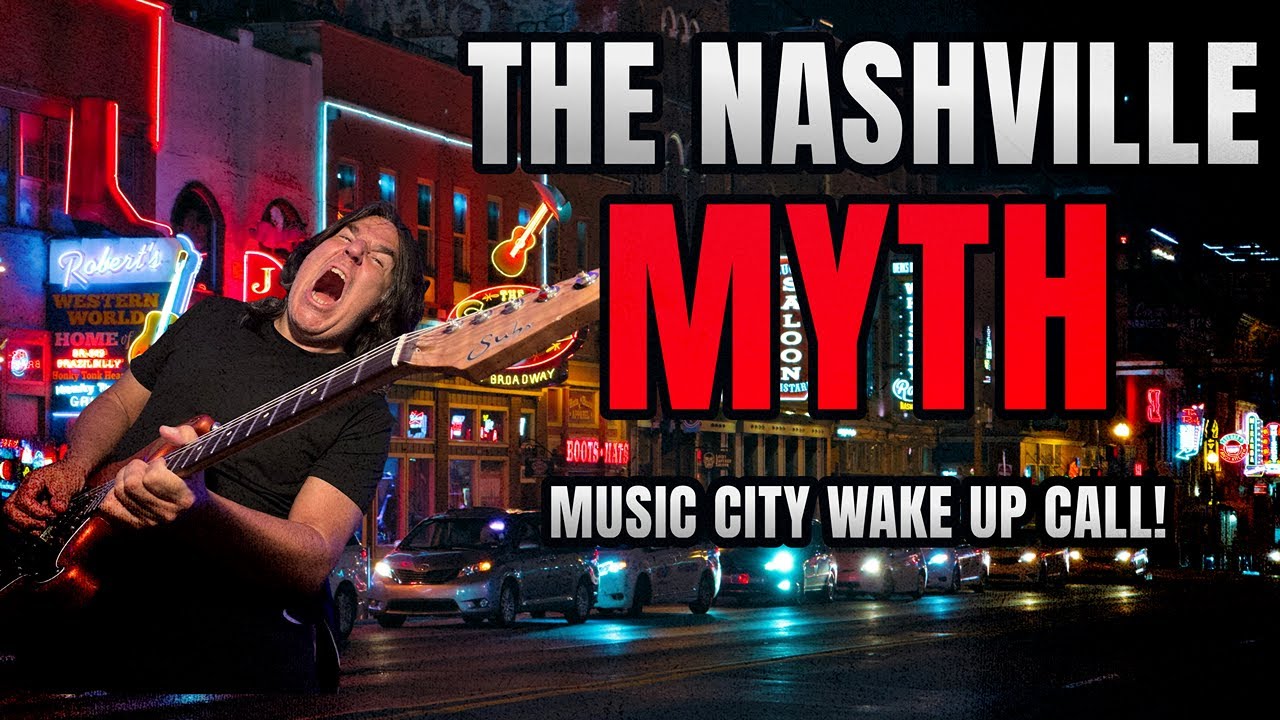
Nashville’s music scene is a fascinating microcosm of the music industry — a place where skill, speed, and professionalism are paramount.
While Nashville musicians excel in their domain, claiming they are the best in the world overlooks the rich diversity and complexity of music globally.
For music fans and musicians alike, the wake-up call is to appreciate Nashville’s unique contributions without falling into the trap of arrogance or dismissiveness.
The best musicians in the world come from many places, and greatness means different things to different people.
In the end, Nashville players deserve respect for their craft and dedication, but the world of music is too vast for any one city or style to claim supremacy.
The true beauty of music lies in its variety, its ability to connect with diverse audiences, and the endless ways musicians express their art.
News
The Song that Bob Dylan Wrote About Elvis Presley
Bob Dylan and Elvis Presley are two of the most legendary figures in American music history. One is known as…

Raul Malo, Lead Singer of The Mavericks, has died at age 60
The music world is mourning the loss of Raul Malo, the charismatic lead singer of The Mavericks, who passed away…
At 69, Steve Perry Confessed This Was the Song He Couldn’t Finish
Steve Perry’s voice is one of rock’s most iconic and enduring sounds. As the lead singer of Journey, he gave…
Top 6 SHOCKING Things Axl Rose Said About Other Rock Legends!
Axl Rose, the legendary frontman of Guns N’ Roses, is known not only for his iconic voice and music but…

‘You Had ONE Job!’ How Powerman 5000 FUMBLED a Platinum Future
Powerman 5000’s story is one of bold creativity, underground buzz, and a dramatic crossroads that nearly derailed their ascent to…

‘He Knew Last Show Would Kill Him’ Ozzy Osbourne’s Final Moments | Sharon Osbourne Interview
Ozzy Osbourne, the legendary rock icon, cultural pioneer, and beloved family man, gave his final performance knowing it might be…
End of content
No more pages to load






