
In a revealing recent interview with Dustin Grove of WTR TV, Indianapolis, Nikki Sixx, the iconic bassist of Mötley Crüe, opened up about how his creative process and perspective have evolved over the band’s more than four decades of existence.
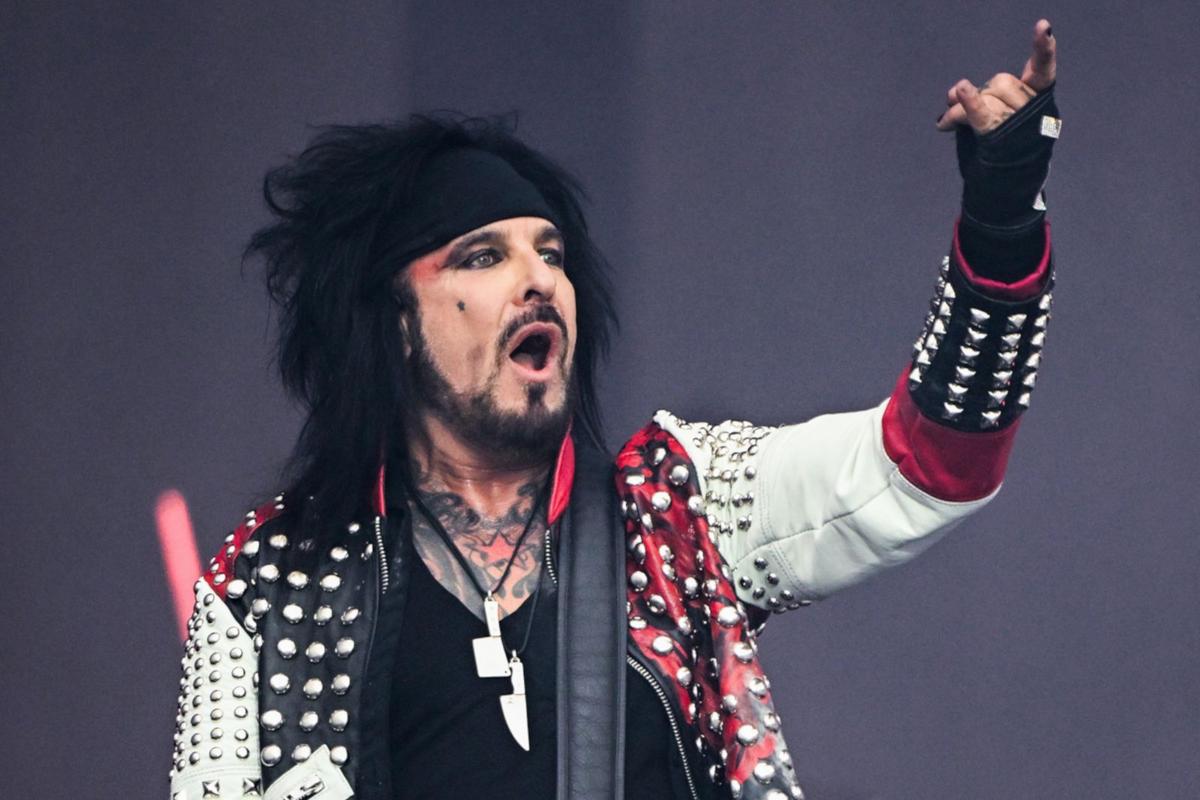
His candid remarks touched on personal growth, the challenges of aging in the rock world, and the sometimes polarizing nature of the band’s legacy.
Sixx described his journey as both a person and a lyricist as an ongoing evolution.
He emphasized that his lyrics have matured from the “rawest of the raw” to the “most heartfelt” as he has grown older and his interests have changed.
For example, he contrasted the lyrics of early hits like *Shout at the Devil* with later songs such as *Home Sweet Home*, highlighting how the themes and emotional depth have shifted over time.
This evolution mirrors the natural changes in life and creativity.
Sixx metaphorically described songwriting as “chipping away at the stone,” a slow and deliberate process of refinement and discovery.
This perspective reflects a seasoned artist’s understanding that growth is essential and inevitable.
When asked about touring and making music in his current stage of life, Sixx stressed the importance of balance.
With a six-and-a-half-year-old daughter, he explained that he no longer feels the need to rush constantly.
Instead, he wants to savor the joys of family life while still delivering powerful performances for fans.
This balance, he said, is crucial as life changes and priorities shift.

One of the most striking parts of Sixx’s interview was his frank opinion about artists who refuse to accept their age.
He criticized musicians who, at 65 or older, still try to act like they are 25, calling it “not cool for the fans.
” He argued that evolution and aging are natural and should be embraced rather than denied.
This viewpoint underscores a respect for authenticity and honesty in artistry.
Interestingly, this comment sparked some debate and skepticism among fans and critics alike, especially given Sixx’s own use of hair dye and modern stage effects to keep a youthful image.
Some see this as a contradiction or a calculated strategy to stay relevant in a youth-obsessed industry.
Sixx acknowledged that Mötley Crüe has always been a polarizing band.
He noted that while they have upset some people, they have profoundly changed others’ lives.
This duality, he suggested, is part of the band’s “accidental magic.”
For instance, the band’s 1983 album *Shout at the Devil* drew accusations from Christian groups alleging devil worship, yet their concerts were packed with fans.
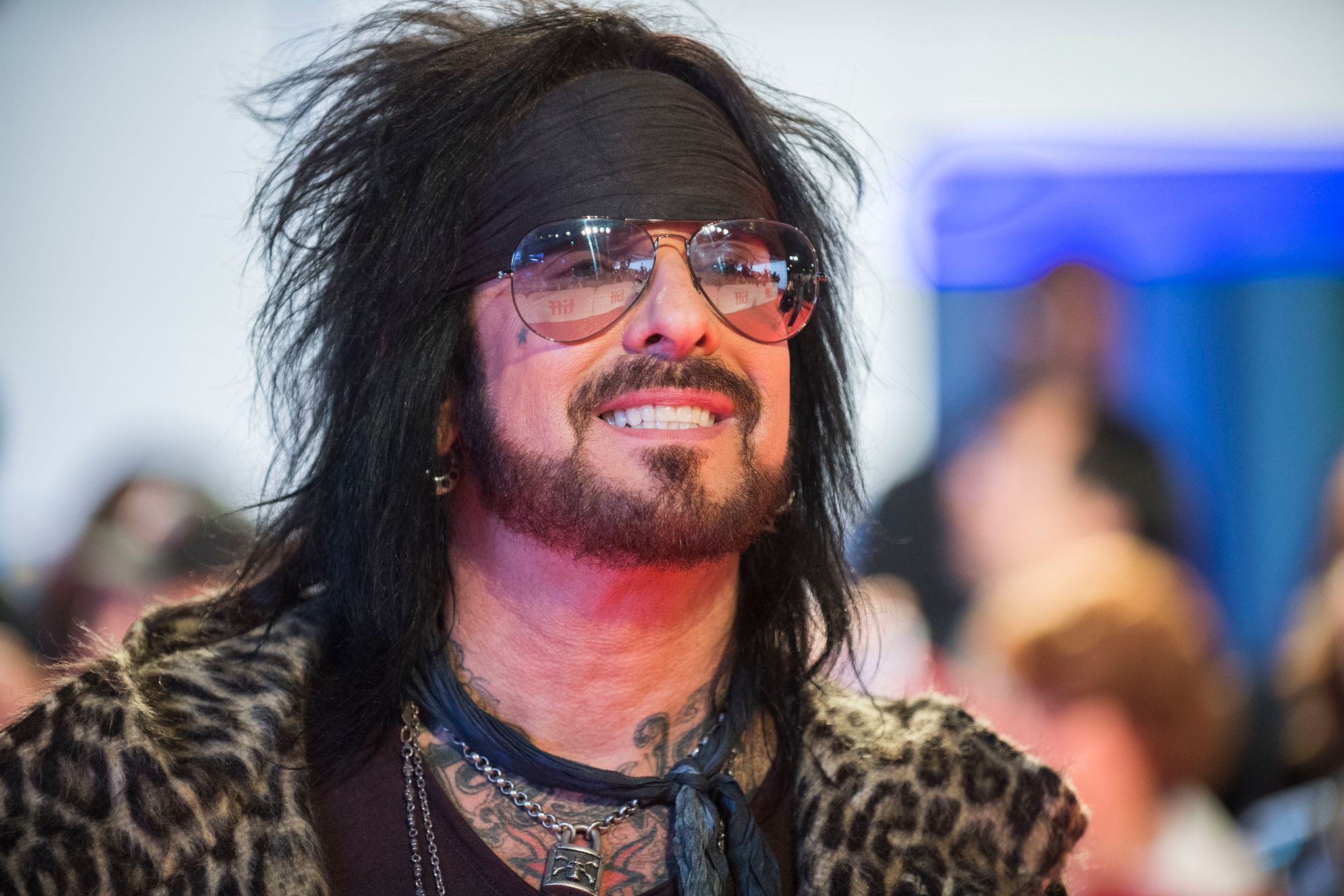
This polarization is not unique to Mötley Crüe but is common across genres, from hip-hop to country to rock.
Sixx sees it as a sign of authenticity—being true to oneself often invites both admiration and criticism.
The interview also touched on the band’s infamous “farewell tour” contract, which promised fans that the band would not tour again without all original members.
Sixx admitted that the band eventually broke this rule, which led to some fan disappointment and accusations of betrayal.
Despite this, the band has maintained a loyal niche audience.
Sixx’s reflections reveal the complexities of band dynamics, business decisions, and fan expectations.
The music industry often forces artists to navigate between commercial pressures and artistic integrity, sometimes leading to controversial choices.
Sixx discussed how Mötley Crüe’s touring partners have evolved.
In their early days, the band distanced themselves from hair metal acts like Poison and Def Leppard.
However, more recently, they have embraced touring with bands from that era, such as Extreme and Tesla, to attract a broader audience nostalgic for 1980s rock.

This shift illustrates how bands adapt to changing market realities and fan demographics.
Nostalgia tours have become a popular way for legacy acts to reconnect with their fan base and introduce their music to new generations.
The interview’s tone and Sixx’s comments have not escaped criticism.
Some commentators accuse Sixx and Mötley Crüe of hypocrisy, pointing out that while Sixx criticizes older artists trying to act young, he himself engages in similar practices like dyeing his hair and beard.
Others call the band “fake” or “phony,” especially given their use of backing tracks and altered live performances in recent years.
These critiques highlight the tension between maintaining a rock star image and the realities of aging performers.
Fans often struggle with reconciling their idols’ past glory with their current stage presence.
Despite controversies, Mötley Crüe continues to draw crowds and sell merchandise, demonstrating the enduring power of their brand.
Sixx’s acknowledgment of the band’s polarizing nature and evolving fan base suggests an awareness of the delicate balance between authenticity and commercial success.
The band’s strategy of releasing box sets, live recordings, and anniversary tours caters to die-hard fans while capitalizing on nostalgia.
However, some releases, like live recordings from less successful tours, have been criticized for poor quality, further fueling debates about artistic integrity.
Nikki Sixx’s interview offers a rare glimpse into the mindset of a rock legend grappling with aging, creativity, and legacy.
His emphasis on evolution and balance contrasts with his critique of artists who refuse to age gracefully, sparking conversation about authenticity in the music industry.
Mötley Crüe’s story is one of highs and lows, passionate fans, and polarizing opinions.
As the band continues to tour and release music, they embody both the challenges and triumphs of sustaining a career in rock ‘n’ roll over decades.
For fans and critics alike, Sixx’s reflections serve as a reminder that behind the glamor and spectacle lies a human journey marked by growth, change, and the pursuit of staying true to oneself—no matter what age.
News

The Song that Bob Dylan Wrote About Elvis Presley
Bob Dylan and Elvis Presley are two of the most legendary figures in American music history. One is known as…

Raul Malo, Lead Singer of The Mavericks, has died at age 60
The music world is mourning the loss of Raul Malo, the charismatic lead singer of The Mavericks, who passed away…

At 69, Steve Perry Confessed This Was the Song He Couldn’t Finish
Steve Perry’s voice is one of rock’s most iconic and enduring sounds. As the lead singer of Journey, he gave…
Top 6 SHOCKING Things Axl Rose Said About Other Rock Legends!
Axl Rose, the legendary frontman of Guns N’ Roses, is known not only for his iconic voice and music but…

‘You Had ONE Job!’ How Powerman 5000 FUMBLED a Platinum Future
Powerman 5000’s story is one of bold creativity, underground buzz, and a dramatic crossroads that nearly derailed their ascent to…

‘He Knew Last Show Would Kill Him’ Ozzy Osbourne’s Final Moments | Sharon Osbourne Interview
Ozzy Osbourne, the legendary rock icon, cultural pioneer, and beloved family man, gave his final performance knowing it might be…
End of content
No more pages to load






