
Alan White, the iconic drummer of the progressive rock band Yes, left an indelible mark on the music world.
His passing in May 2022 at the age of 72 marked the end of an era for fans of the band and rock music alike.

About a year before his death, Alan gave a candid and heartfelt interview reflecting on his remarkable career, the challenges he faced, and his enduring passion for music.
This article revisits that final conversation, offering insight into the life and legacy of a musician who played with legends and helped shape the sound of progressive rock for nearly five decades.
Alan White joined Yes in 1972, replacing the original drummer Bill Bruford.
In the interview, Alan recounted how he was unexpectedly recruited into the band.
He was sharing an apartment with Eddie Offord, the band’s engineer and producer, when he was introduced to the group.
Bill Bruford had just left to discuss forming King Crimson, leaving Yes without a drummer just before a big tour.
Alan demonstrated his skills by running through complex songs like “Siberia” and “Close to the Edge” from the album *Close to the Edge*.
John and Chris from the band came to his apartment and, in a humorous yet serious moment, Chris threatened to throw Alan out the window if he didn’t join the band.
Alan agreed to a trial period of three months, but little did he know he would remain with Yes for 46 years.
He had only a weekend to learn the entire setlist for the upcoming tour, which was daunting but also a testament to his dedication and talent.
His first live performance with Yes was in Dallas, Texas, marking the beginning of a long and storied journey.
Before joining Yes, Alan had already played with music legends such as John Lennon and George Harrison.
He recalled the surreal experience of being called by Lennon to play a show the very next day.
Initially thinking it was a prank, Alan was shocked to learn it was genuinely Lennon on the phone.
He described the session with Lennon and Eric Clapton as a significant step in his career, though at the time he didn’t fully grasp the magnitude of the opportunity.
Alan’s work with Lennon included playing on the iconic song “Imagine,” which he later realized was a landmark track of the millennium.
He shared insights into the challenges of playing slower songs, noting that creating the right mood with fewer beats is often harder than fast-paced drumming.
Alan’s tenure with Yes spanned over four decades, during which the band produced some of the most ambitious and complex albums in rock history.
One highlight was the recording of *Tales from Topographic Oceans*, a double album with one song per side.
Alan described the process as exhaustive, involving six months of rehearsal and nearly a year to record.
The band worked meticulously on every detail, reflecting their commitment to musical excellence.

Despite the complexity and length of the pieces, Alan never found himself wanting to stop playing the challenging material.
He emphasized that Yes’s music requires constant mental focus and attention, which kept him engaged and passionate about his craft.
When asked about the most challenging drumming pieces, Alan pointed to several tracks from albums like *Relayer* and *Drama*, which featured complex rhythms and intricate bass and drum interplay.
His ability to navigate these demanding compositions showcased his technical skill and creativity.
Touring with Yes was both exhilarating and exhausting.
Alan acknowledged that as he grew older, the physical demands became tougher, especially on long tours with dozens of shows.
Yet, he expressed a sentiment shared by many veteran musicians: the road keeps them alive and engaged.
Sitting still at home was not an option for him; playing music was his passion and his life.
When not on tour, Alan enjoyed a quieter life at home with his wife and two Jack Russell dogs.
He had a home studio where he worked on recordings, balancing his personal life with his musical pursuits.
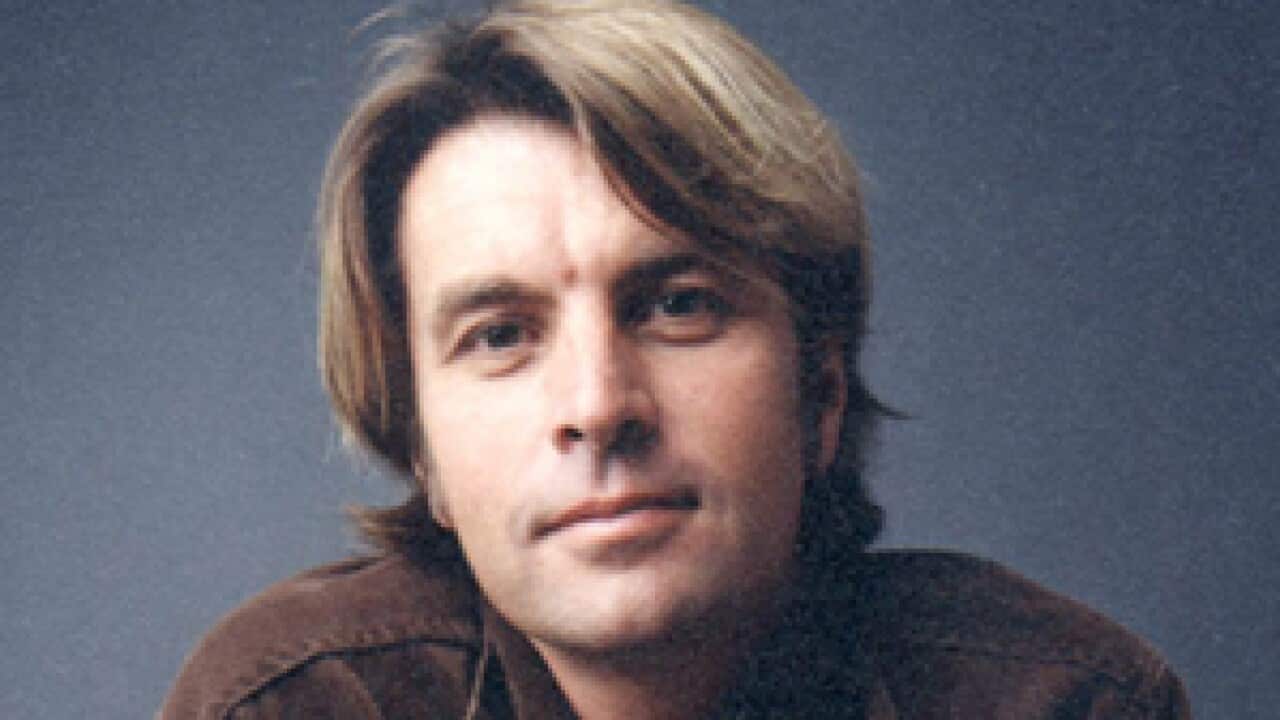
Reflecting on his career, Alan offered advice to his younger self.
He wished he had known the lasting impact the song “Imagine” would have and expressed pride in his contributions to music history.
Alan White’s legacy is one of dedication, talent, and longevity.
Replacing Bill Bruford was no small feat, yet Alan made the role his own, becoming Yes’s longest-serving drummer.
His work not only defined the band’s sound but also influenced generations of drummers and musicians.
His final interview reveals a humble man who loved music deeply, embraced challenges, and treasured the connections he made with fellow musicians and fans.
Alan White’s story is a testament to the power of perseverance and passion in the world of rock music.
As fans continue to celebrate his contributions, the memories of his performances and recordings remain timeless.
Alan White may have left the stage, but his rhythm and spirit will forever echo in the halls of rock history.
News

The Song that Bob Dylan Wrote About Elvis Presley
Bob Dylan and Elvis Presley are two of the most legendary figures in American music history. One is known as…

Raul Malo, Lead Singer of The Mavericks, has died at age 60
The music world is mourning the loss of Raul Malo, the charismatic lead singer of The Mavericks, who passed away…

At 69, Steve Perry Confessed This Was the Song He Couldn’t Finish
Steve Perry’s voice is one of rock’s most iconic and enduring sounds. As the lead singer of Journey, he gave…

Top 6 SHOCKING Things Axl Rose Said About Other Rock Legends!
Axl Rose, the legendary frontman of Guns N’ Roses, is known not only for his iconic voice and music but…

‘You Had ONE Job!’ How Powerman 5000 FUMBLED a Platinum Future
Powerman 5000’s story is one of bold creativity, underground buzz, and a dramatic crossroads that nearly derailed their ascent to…

‘He Knew Last Show Would Kill Him’ Ozzy Osbourne’s Final Moments | Sharon Osbourne Interview
Ozzy Osbourne, the legendary rock icon, cultural pioneer, and beloved family man, gave his final performance knowing it might be…
End of content
No more pages to load






