
Poison’s drummer, Rikki Rockett, recently opened up in an insightful conversation on the *Nothing Shocking* podcast about the band’s musical journey, the pigeonholing they have experienced, and the diverse influences that shaped their sound.
As one of the defining bands of the glam metal era, Poison is often remembered for their flamboyant looks and catchy anthems from the mid-1980s.
However, Rockett urges fans and critics alike to look beyond the surface and appreciate the evolution and depth of the band’s music over the decades.
When asked whether he ever felt confined to a particular sound due to the band’s early success, Rikki Rockett responded candidly: “Definitely.
Listen, we get judged on what we looked like and sounded like on an album that happened 32 years ago [1986’s *Look What The Cat Dragged In*].
How does everybody else like to be judged on what they did and looked like 35 years ago?”
This statement highlights a common frustration among musicians whose early work becomes their defining legacy in the public eye.
Rockett acknowledges pride in their debut album but points out that Poison’s sound and image evolved significantly with each subsequent release.
By the time they released *Open Up And Say… Ahh!* in 1988, and later *Flesh & Blood* in 1990, both their music and appearance had changed, reflecting growth and experimentation.
Despite these changes, Rockett laments that the band is often narrowly labeled as just a “hair band,” a term sometimes used dismissively.
He notes: “People go, ‘Oh, yeah, yeah, yeah. That hair band’ — that kind of thing. And usually when people say those things, it’s usually because they wanna say something bad.”
This underscores how stereotypes and preconceived notions can overshadow artistic development.
Rockett’s advice to new artists is clear and cautionary: “Be very careful about what you put out there at the very beginning, because people are gonna judge you forever, what you did that very first record.”

Rockett also delves into the musical influences that shaped Poison’s sound, offering a broader perspective on their artistry.
He emphasizes the foundational role of blues in rock music: “I think all rock is based in the blues, for one thing.”
He then explains how glam rock from the 1970s provided visual inspiration for the band’s early image, which was more about standing out than conforming to the jeans-and-t-shirt norm prevalent in rock at the time.
However, musically, Poison drew from a wide array of sources: “We pooled from Lynyrd Skynyrd, we pooled from Kiss, Van Halen — everything. And even punk rock bands.”
This eclectic mix of influences is evident in Poison’s music, combining the melodic hooks of glam rock with the raw energy of punk and the southern rock swagger of bands like Lynyrd Skynyrd.
Rockett specifically points out how guitarist C.C. DeVille’s Brooklyn upbringing exposed him to the punk and new wave scenes, which influenced his guitar playing style.
Songs like “Talk Dirty To Me” showcase this blend of styles.
Furthermore, bassist Bobby Dall’s admiration for Led Zeppelin also contributed to the band’s sound, adding another layer of classic rock influence.
Rockett’s reflection: “Our influences definitely are clear all over the songs that we wrote, but sometimes the baby does get thrown out with the bathwater.”

This phrase captures the frustration that sometimes, in dismissing the band as just a glam metal act, critics overlook the craftsmanship and diverse inspirations behind their music.
Poison’s journey from their 1986 debut through the early 1990s illustrates a band willing to evolve and experiment.
Their initial image and sound were designed to capture attention in a crowded rock scene, but as they matured, so did their music.
Albums like *Flesh & Blood* showed a more serious and nuanced approach, both lyrically and musically, distancing themselves from the caricature of the “hair band.”
Rockett’s comments remind listeners that judging a band solely on their earliest work is unfair and reductive.
The band’s continued evolution over decades reflects their commitment to growth as musicians and artists.
Poison emerged during a time when glam metal dominated the rock airwaves, characterized by big hair, flashy clothes, and anthemic choruses.
Though often criticized for their image, Poison played a significant role in popularizing this style and bringing rock music to a broad audience.
Their success paved the way for countless bands and influenced the sound of late 1980s rock.
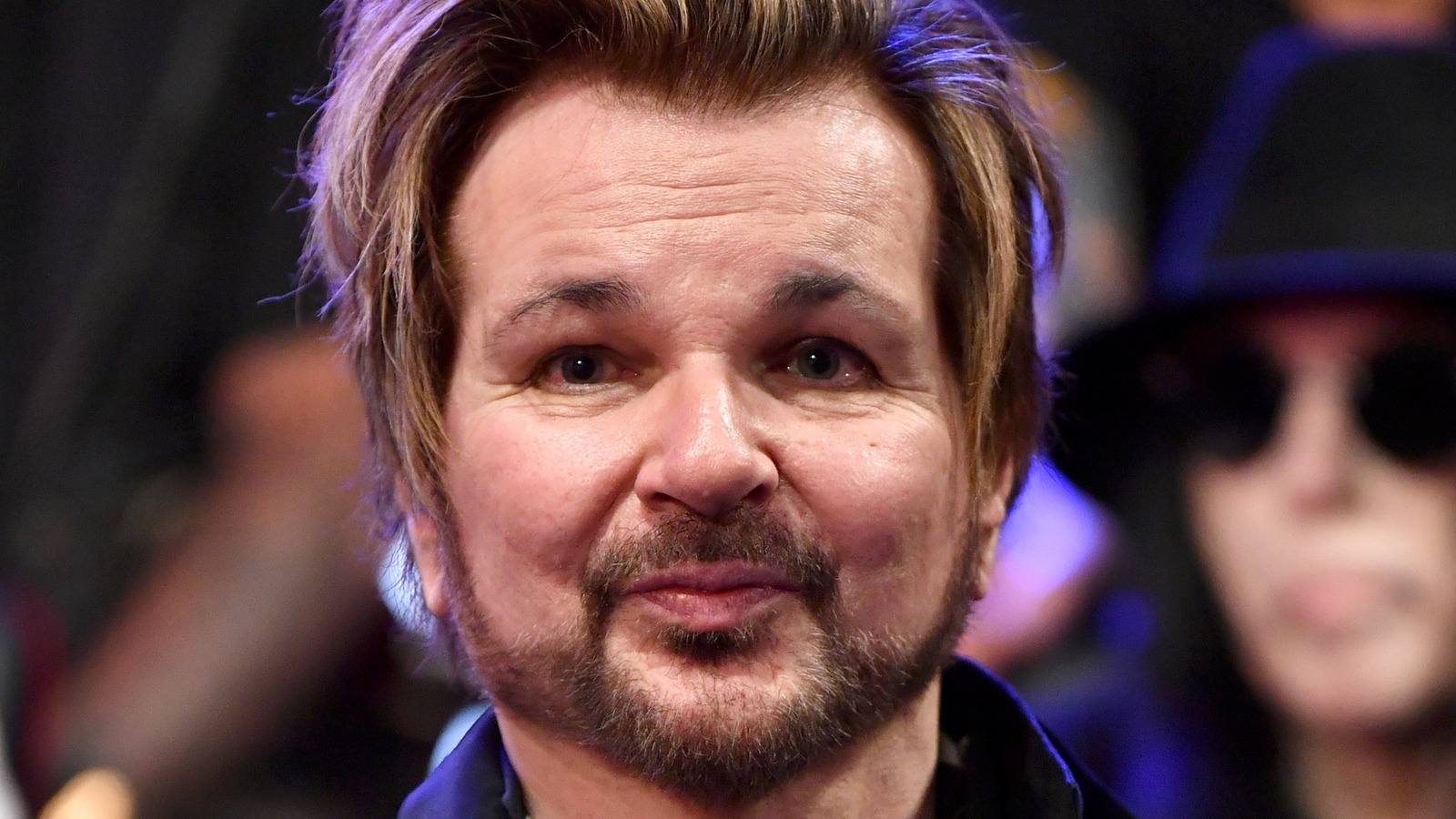
Rockett’s reflections encourage a re-examination of Poison’s place in rock history, urging fans and critics to appreciate not just the spectacle but the substance of their music.
Rikki Rockett’s candid insights on the *Nothing Shocking* podcast shed light on the complexities of being a successful band with a distinctive image.
While Poison will always be linked to their glam metal roots, Rockett challenges the notion that they should be confined to that era or style.
Their music is a tapestry woven from diverse influences, evolving soundscapes, and a desire to push beyond stereotypes.
For new artists, Rockett’s advice rings especially true in today’s fast-paced music industry: first impressions last, so be mindful of the legacy you create from the start.
For fans and critics, his words are a call to listen more deeply, look beyond appearances, and recognize the artistic journey that bands like Poison have undertaken.
News
The Song that Bob Dylan Wrote About Elvis Presley
Bob Dylan and Elvis Presley are two of the most legendary figures in American music history. One is known as…

Raul Malo, Lead Singer of The Mavericks, has died at age 60
The music world is mourning the loss of Raul Malo, the charismatic lead singer of The Mavericks, who passed away…

At 69, Steve Perry Confessed This Was the Song He Couldn’t Finish
Steve Perry’s voice is one of rock’s most iconic and enduring sounds. As the lead singer of Journey, he gave…

Top 6 SHOCKING Things Axl Rose Said About Other Rock Legends!
Axl Rose, the legendary frontman of Guns N’ Roses, is known not only for his iconic voice and music but…

‘You Had ONE Job!’ How Powerman 5000 FUMBLED a Platinum Future
Powerman 5000’s story is one of bold creativity, underground buzz, and a dramatic crossroads that nearly derailed their ascent to…

‘He Knew Last Show Would Kill Him’ Ozzy Osbourne’s Final Moments | Sharon Osbourne Interview
Ozzy Osbourne, the legendary rock icon, cultural pioneer, and beloved family man, gave his final performance knowing it might be…
End of content
No more pages to load






