
The Beatles are one of the most iconic and influential bands in music history.

Their rise to fame was meteoric, and their impact on popular culture remains profound decades after their breakup.
Yet, one of the most significant moments in their career was their decision to stop performing live concerts in 1966.
In a candid interview, Ringo Starr, the band’s drummer, revealed the real reasons behind this decision, shedding light on the challenges the band faced during their live performances and why they ultimately chose to focus on studio work.
When The Beatles first started touring, the experience was exhilarating.
Ringo Starr recalls the thrill of being in their early twenties and performing in front of thousands of screaming fans.
The energy was electric, and the band was riding a wave of unprecedented success.
“If you can imagine you’re 22, 23 and you go on stage and all those people are just screaming at you, loving you,” Ringo said.
The band was making and selling a lot of records, and breaking into America was the ultimate goal for any British band at the time.
America was seen as the “Hollywood of records,” the place where true success was measured.
The Beatles’ concerts were short but intense, typically lasting between 15 to 18 minutes with about 12 songs performed.
They often played their set at a fast tempo to get through it quickly, especially if the venue or conditions were not ideal.
Despite the brevity, the atmosphere was incredible, and the fans’ enthusiasm was overwhelming.

However, as Beatlemania grew, so did the challenges of performing live.
The screaming fans at concerts became so loud that the band members could barely hear themselves or each other on stage.
John Lennon once said, “By the time the Beatles came to America, they couldn’t perform live anymore.” This was a harsh truth.
The noise was so intense that it drowned out the music, making it impossible for the band to play with the precision and musicianship they desired.
Ringo explained how this affected their playing: “I could only do the downbeat, you know, check.
I couldn’t do any fills or anything because they would just disappear into the cosmos.
” The band members had to rely heavily on visual cues, watching each other’s movements closely just to stay in sync.
Ringo even had to watch the backsides of his bandmates to know where they were in the song during performances.
This lack of auditory feedback made it difficult for the band to improve or experiment musically on stage.
They became “loose musicians,” playing the same set repeatedly without variation, which led to a feeling of staleness and frustration.
Another significant factor was the limitations of sound technology at the time.
The Beatles toured with relatively small amplifiers and depended on the house PA systems, which were often inadequate for large venues like stadiums.
Ringo noted that the biggest bass amp they had was about the size of a small suitcase, which pales in comparison to the massive sound rigs used by bands today.
Today, musicians have personal monitors and sophisticated sound equipment that allow them to hear themselves clearly on stage.
In contrast, The Beatles had to endure poor sound quality, which further contributed to their dissatisfaction with live performances.
By 1965, The Beatles were evolving rapidly as recording artists.
They were experimenting with new sounds, instruments, and studio techniques that could not be replicated in a live setting.
Songs became more complex and layered, incorporating effects and instrumentation that were impossible to reproduce on stage with the technology available.
Ringo explained that this gap between their studio creativity and live performance capabilities was a major source of frustration.
The band realized that they could no longer do justice to their music in concert.

“We were becoming loose musicians,” Ringo said, emphasizing that they wanted to preserve the quality of their music rather than deliver subpar live shows.
This realization led to a conscious decision to stop touring in 1966 and focus entirely on studio work.
The studio became their playground, a place where they could innovate without the constraints of live performance.
This shift resulted in some of their most groundbreaking albums, including *Revolver* and *Sgt. Pepper’s Lonely Hearts Club Band*, which pushed the boundaries of popular music and recording technology.
The Beatles’ decision to stop touring was initially met with surprise and disappointment by fans, but it ultimately proved to be a pivotal moment in music history.
By focusing on studio recordings, The Beatles transformed the album from a collection of singles into a cohesive artistic statement.
Their studio albums became works of art, influencing countless musicians and changing the way music was created and consumed.
Ringo’s reflections also highlight the human side of the band’s journey.
Despite their massive success, they faced real challenges and frustrations that shaped their choices.
The relentless noise, technological shortcomings, and their own artistic ambitions converged to push them away from live performance.
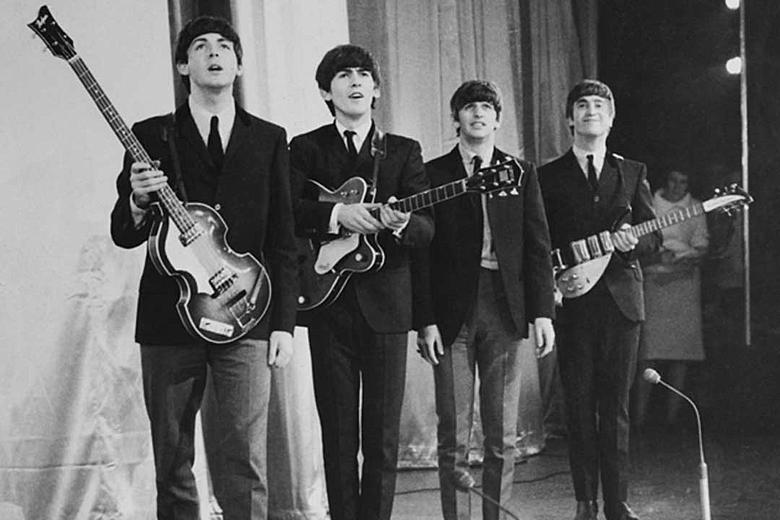
Ringo Starr’s candid interview offers invaluable insight into why The Beatles stopped performing live.
It was not simply a matter of the band wanting to quit touring but a complex decision driven by the realities of live sound limitations, the overwhelming fan response, and their desire to evolve musically.
The Beatles chose to prioritize their artistry and innovation over the traditional concert experience, a choice that ultimately cemented their legacy as pioneers of modern music.
Their story reminds us that sometimes, stepping back from the spotlight can open the door to greater creative freedom and lasting impact.
The Beatles’ legacy is not just in their live performances but in the revolutionary music they created when they turned their focus to the studio.
News
The Song that Bob Dylan Wrote About Elvis Presley
Bob Dylan and Elvis Presley are two of the most legendary figures in American music history. One is known as…
Raul Malo, Lead Singer of The Mavericks, has died at age 60
The music world is mourning the loss of Raul Malo, the charismatic lead singer of The Mavericks, who passed away…
At 69, Steve Perry Confessed This Was the Song He Couldn’t Finish
Steve Perry’s voice is one of rock’s most iconic and enduring sounds. As the lead singer of Journey, he gave…
Top 6 SHOCKING Things Axl Rose Said About Other Rock Legends!
Axl Rose, the legendary frontman of Guns N’ Roses, is known not only for his iconic voice and music but…
‘You Had ONE Job!’ How Powerman 5000 FUMBLED a Platinum Future
Powerman 5000’s story is one of bold creativity, underground buzz, and a dramatic crossroads that nearly derailed their ascent to…
‘He Knew Last Show Would Kill Him’ Ozzy Osbourne’s Final Moments | Sharon Osbourne Interview
Ozzy Osbourne, the legendary rock icon, cultural pioneer, and beloved family man, gave his final performance knowing it might be…
End of content
No more pages to load






