
Stan Lynch, former drummer of Tom Petty and the Heartbreakers, is a name synonymous with the raw, punchy rock sound that defined the late 70s and 80s American rock scene.
In a candid and insightful interview, Lynch opens up about his journey from being the heartbeat of one of rock’s most iconic bands to forging a prolific second act as a songwriter and producer, particularly highlighting his deep and enduring collaboration with Don Henley of the Eagles.
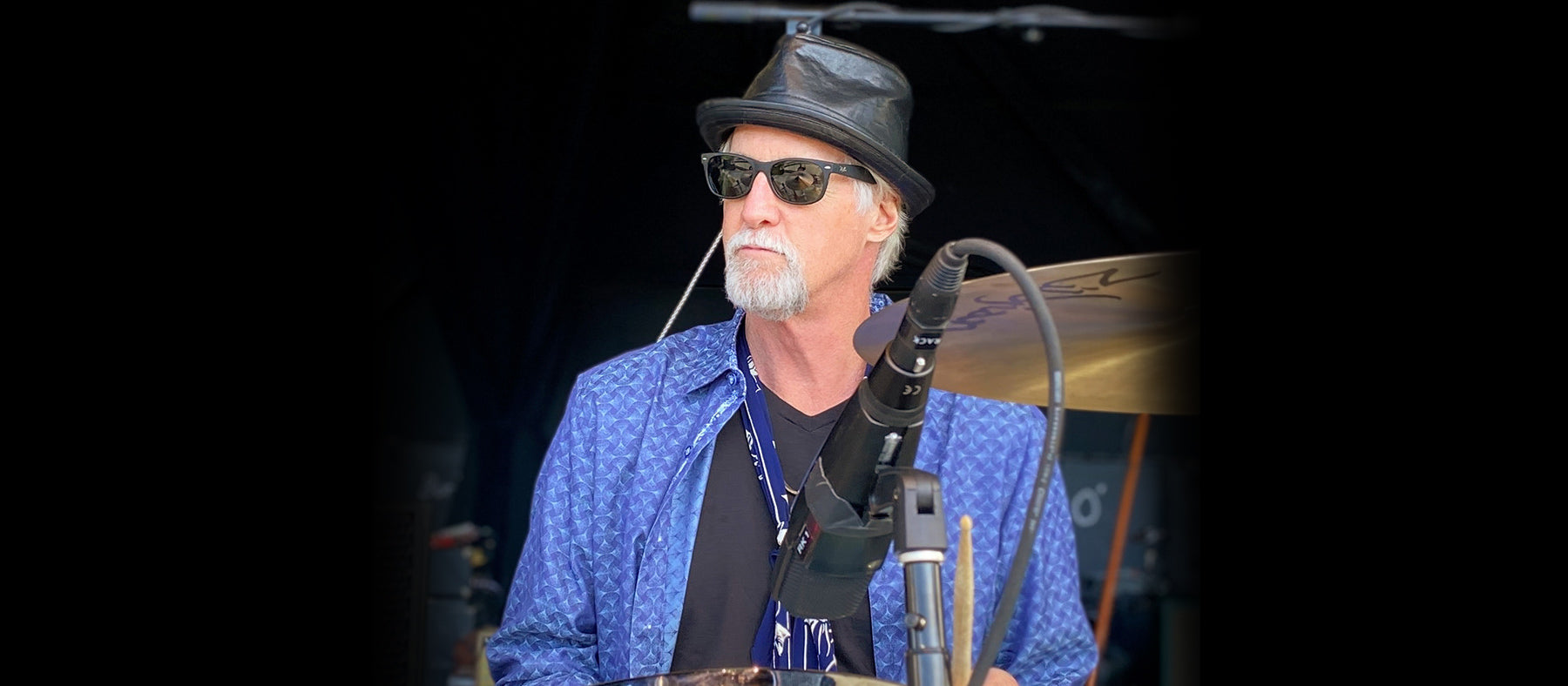
Born in Cincinnati, Ohio, in 1955 and raised in Gainesville, Florida, Stan Lynch was a founding member of Tom Petty and the Heartbreakers in 1976.
His drumming style—crisp, punchy, and full of heart—helped shape the band’s signature southern-tinged, no-nonsense rock sound.
From the debut album *Tom Petty and the Heartbreakers* with classics like “Breakdown” and “American Girl,” to the critically acclaimed *Damn the Torpedoes* featuring hits such as “Refugee” and “Here Comes My Girl,” Lynch’s rhythms were the driving force behind the band’s success.
Throughout the 80s, Lynch remained a central figure in the band’s evolution, contributing to albums like *Hard Promises* (1981), *Long After Dark* (1982), *Southern Accents* (1985), and *Let Me Up (I’ve Had Enough)* (1987).
His drumming was a perfect balance of power and emotion, anchoring tracks such as “You Got Lucky,” “The Waiting,” and “Jamming Me.”
Despite his musical contributions, Lynch’s fiery personality and growing creative tensions led to his departure from the Heartbreakers in the early 90s.
After recording *Into the Great Wide Open* in 1991, he gradually parted ways with the band, officially leaving by 1994.
His final public appearance with the group was at their induction into the Rock and Roll Hall of Fame in 2002—a proud moment marking the end of an era.
Rather than fading into obscurity, Lynch reinvented himself behind the scenes.
He became a highly sought-after producer, songwriter, and session drummer, working with some of the biggest names in rock and pop.
Among these collaborations, his work with Don Henley stands out as especially significant.
Lynch describes Henley as disciplined, decisive, brilliant, and above all, honest—qualities that made Henley not just a musical partner but a mentor and friend.
“Don Henley is the reason I have a second chapter,” Lynch says.
Henley’s invitation to collaborate was an opportunity Lynch never took for granted.
Unlike many who might knock on Henley’s door, Lynch emphasizes that Henley extends the invitation himself, a testament to the respect and trust between them.
Together, they co-wrote and performed on some of Henley’s most memorable songs, including “The Heart of the Matter,” “Last Worthless Evening,” and “New York Minute” from Henley’s 1989 album *The End of the Innocence*.
Lynch’s songwriting and musical instincts complemented Henley’s lyrical prowess, creating a synergy that enriched Henley’s solo work and the Eagles’ legacy.
Beyond professional collaboration, Lynch speaks warmly about his friendship with Henley and Henley’s wife, Sharon.
He refers to them as family, expressing a desire to simply spend time with them outside of music, such as taking canoe trips and fishing.
This personal connection adds depth to their creative partnership, making their work together not just about music but about mutual respect and shared life perspectives.
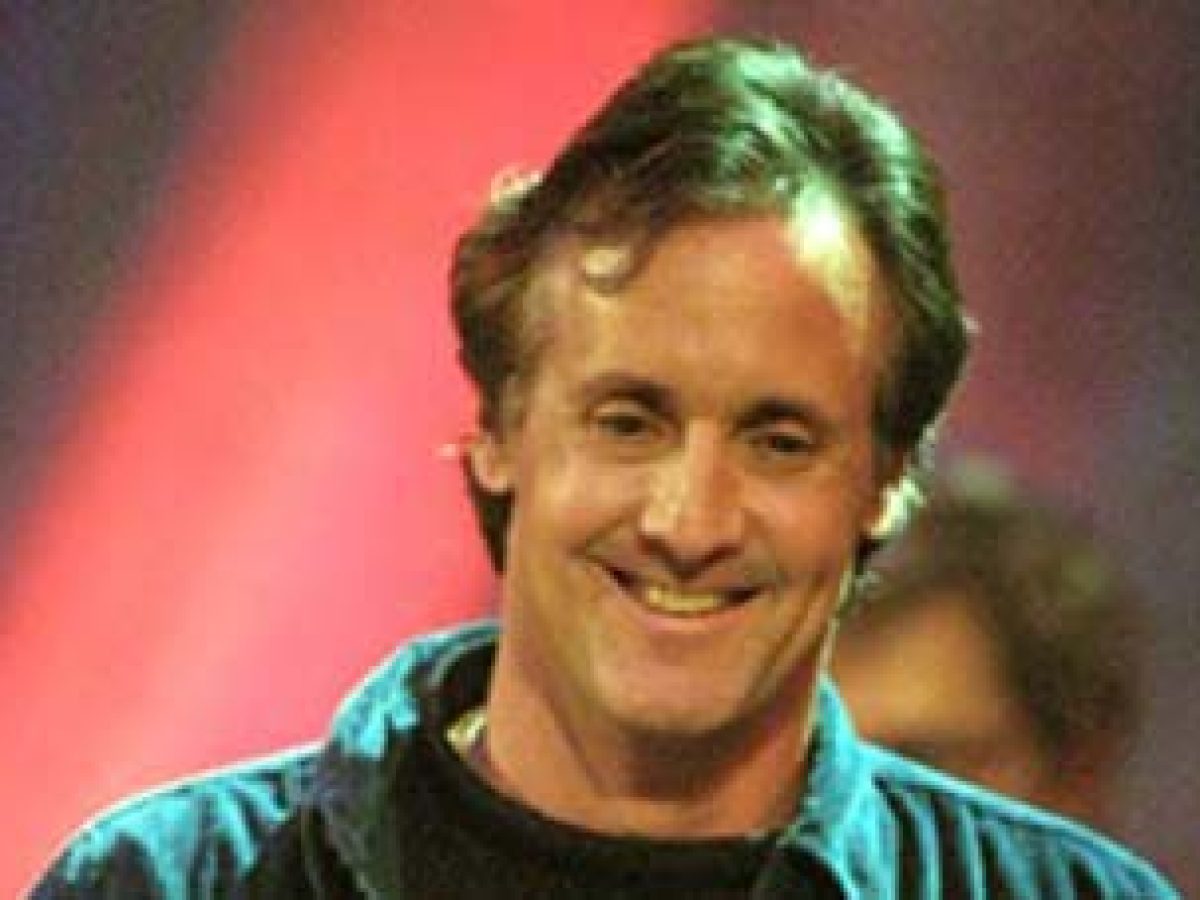
Lynch also reflects on his growth as a songwriter and artist.
Early in his collaboration with Henley, he viewed himself more as a facilitator, helping to bring Henley’s ideas to life.
Over time, he gained confidence to contribute more fully, bringing his own ideas and emotions into the songwriting process.
He discusses the importance of appreciation over envy in artistic development.
While envy might be a natural first step for many artists, Lynch advocates for transforming that feeling into appreciation, which fosters creativity rather than destruction.
This maturity in outlook has helped him navigate the complexities of the music industry and personal relationships within it.
Several songs from Lynch’s collaboration with Henley are discussed in detail:
– **”Last Worthless Evening”**: Lynch recalls this song as early in their writing partnership, describing it as a beautiful country tune that resonates with themes of reflection and emotional complexity.
– **”Every Lie Come True”**: Co-written in 2000 at Lynch’s beach house, this song started with a simple yet powerful chorus. Lynch and Henley traded lyrical ideas back and forth, crafting a narrative about wish fulfillment and the realities of long-term relationships.
– **”Taste of Heaven”**: A gritty tune inspired by themes of obsession and temptation, originally reflecting on drug addiction and complicated relationships. Lynch aimed for a riff that was a little “evil,” and Henley helped bring the song to life with his vocal and production input.
– **”I Wish You Peace”**: This song evolved from a long, epic piece into a concise, iconic chorus. Lynch describes it as starting with a simple, decent thought wishing peace on friends and the world, showcasing how meaningful music often begins with a personal reflection.
Stan Lynch’s drumming and songwriting continue to influence generations of musicians.
Though no longer a Heartbreaker, his imprint is firmly woven into the fabric of American rock.
His ability to know when to hit hard and when to walk away speaks to a wisdom earned through experience.
His collaboration with Don Henley not only gave Lynch a second life in music but also deepened his understanding of artistry, friendship, and life itself.
As Lynch puts it, even if they never write another song together, the bond they share is what truly matters.
Stan Lynch’s story is one of reinvention, resilience, and respect.
From the backbeat of one of rock’s greatest bands to the trusted collaborator of a rock legend, Lynch’s journey is a testament to the power of music and relationships.
His reflections on Don Henley reveal a man who is not just a brilliant artist but also a disciplined, honest, and generous human being.
For fans of rock history and music lovers alike, Lynch’s insights offer a rare glimpse into the creative process and personal dynamics behind some of the most enduring songs of the past four decades.
His story reminds us that sometimes, the greatest hits are not just the songs we hear but the friendships and lessons that shape a lifetime.
News
The Song that Bob Dylan Wrote About Elvis Presley
Bob Dylan and Elvis Presley are two of the most legendary figures in American music history. One is known as…

Raul Malo, Lead Singer of The Mavericks, has died at age 60
The music world is mourning the loss of Raul Malo, the charismatic lead singer of The Mavericks, who passed away…

At 69, Steve Perry Confessed This Was the Song He Couldn’t Finish
Steve Perry’s voice is one of rock’s most iconic and enduring sounds. As the lead singer of Journey, he gave…
Top 6 SHOCKING Things Axl Rose Said About Other Rock Legends!
Axl Rose, the legendary frontman of Guns N’ Roses, is known not only for his iconic voice and music but…
‘You Had ONE Job!’ How Powerman 5000 FUMBLED a Platinum Future
Powerman 5000’s story is one of bold creativity, underground buzz, and a dramatic crossroads that nearly derailed their ascent to…

‘He Knew Last Show Would Kill Him’ Ozzy Osbourne’s Final Moments | Sharon Osbourne Interview
Ozzy Osbourne, the legendary rock icon, cultural pioneer, and beloved family man, gave his final performance knowing it might be…
End of content
No more pages to load






