
Steve Cropper, the iconic guitarist and co-founder of Booker T.& the MG’s, passed away at the age of 84 in Nashville, Tennessee.

His death marks the end of an era for soul, R&B, and rock music, as Cropper’s influence shaped some of the most enduring sounds of the 20th century.
Known for his understated yet deeply soulful guitar playing, Cropper was the secret ingredient behind countless classics that defined the Memphis sound and beyond.
Born October 21, 1941, near Darham, Missouri, Steve Cropper moved with his family to Memphis, Tennessee, at the age of nine.
Memphis was a hotbed of gospel, rhythm and blues, and early soul music—fertile ground for a young musician.
At 14, Cropper got his first guitar through a mail order, and by his teenage years, he was already playing with local bands such as the Marques and the Stacks.
The Marques, initially known as the Royal Spades, scored a hit in 1961 with their instrumental track “Last Night,” giving Cropper and his bandmates their first taste of success.
Around this time, the record label Satellite evolved into the legendary Stax Records, where Cropper became a house musician.
This association would prove pivotal for his career and for the history of American music.
In 1962, Cropper co-founded Booker T.& the MG’s alongside organist Booker T.Jones, bassist Donald “Duck” Dunn, and drummer Al Jackson Jr.
The band became the house band for Stax Records, backing some of the greatest soul and R&B artists of the era.
Their breakout hit, “Green Onions,” remains one of the most iconic instrumentals in music history, symbolizing the raw, gritty, and soulful sound of Memphis.
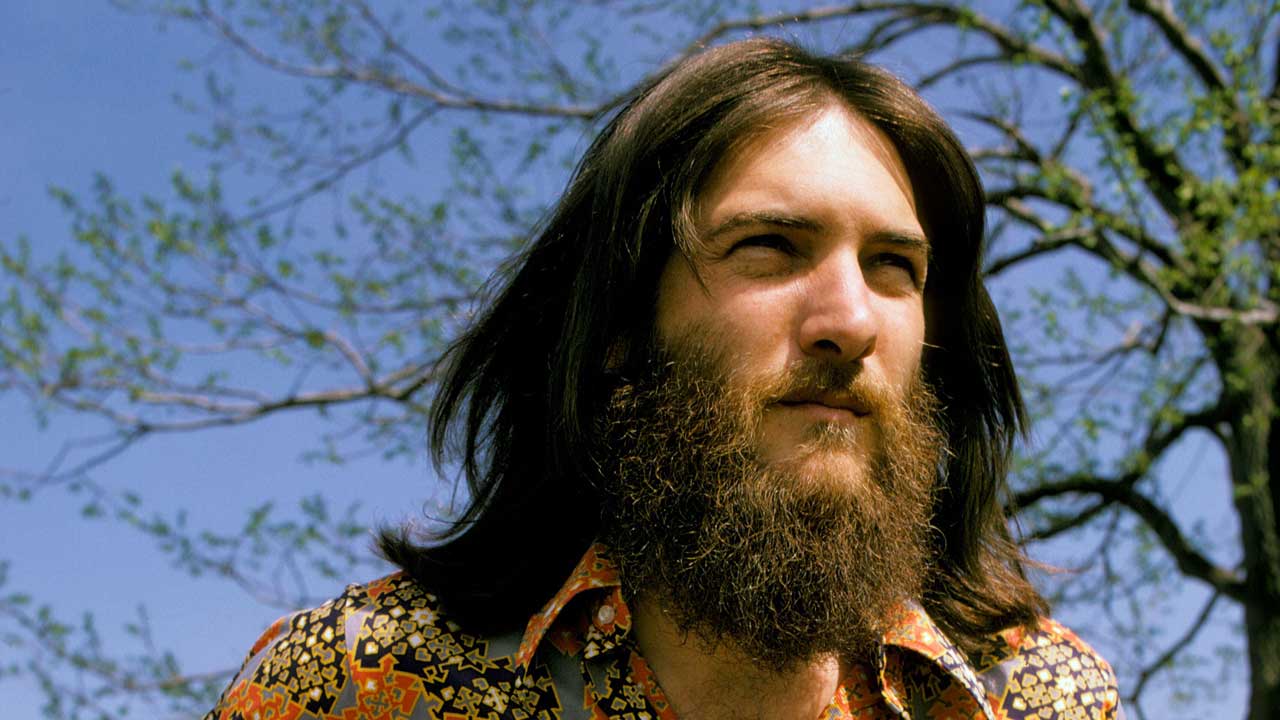
Cropper’s guitar work was never about flashy solos or technical showmanship; instead, it was characterized by lean, clean, and tasteful licks that perfectly complemented the vocals and groove.
His style was all about serving the song, a quality that earned him respect across genres and generations.
Musicians often remarked that Cropper “played for the song,” a philosophy that helped define the essence of Memphis soul.
Beyond his guitar playing, Cropper was a prolific songwriter and producer.
He co-wrote some of the most enduring soul classics, including Otis Redding’s “(Sittin’ On) The Dock of the Bay,” Wilson Pickett’s “In the Midnight Hour,” and Eddie Floyd’s “Knock on Wood.”
His name is even shouted out in the 1967 Sam & Dave hit “Soul Man,” highlighting his integral role in the Stax sound.
These songs have not only stood the test of time but have also influenced countless artists across rock, soul, and R&B.
Cropper’s contributions helped bridge racial divides during a time when segregation was still widespread in America.
Booker T.& the MG’s were one of the first racially integrated bands, symbolizing unity and collaboration through music.

In 1969, Cropper released his first solo album, “With a Little Help from My Friends,” exploring his musical style beyond the house band work at Stax.
Around 1970, he left Stax Records and co-founded TMI Studios, expanding his role as a producer and session guitarist for both established legends and emerging artists.
In the late 1970s, Cropper joined the Blues Brothers band, popularized by the films and Saturday Night Live sketches featuring Dan Aykroyd and John Belushi.
This exposure introduced a new generation to the roots of soul and R&B music, further cementing Cropper’s legacy.
Even in his later years, Cropper continued to record and perform.
At the time of a recent interview just months before his death, he had released a new album titled “Friendly Town,” demonstrating his lifelong dedication to music.
Steve Cropper’s impact on music was recognized with numerous accolades.
In 1992, Booker T.& the MG’s were inducted into the Rock and Roll Hall of Fame.
Cropper himself was inducted into the Songwriters Hall of Fame in 2005 and received a Lifetime Achievement Grammy Award, honoring his extensive contributions to music.

His style influenced generations of guitarists and musicians, especially within R&B, soul, and rock genres.
Cropper’s understated, rhythm-first approach remains a model of tasteful musicianship, proving that sometimes less truly is more.
In a heartfelt interview conducted just two months before his passing, Cropper struggled with speech difficulties, likely caused by a stroke.
Despite these challenges, he remained friendly and engaged, reflecting on his remarkable career and the music that shaped his life.
His passing at a rehabilitation center in Nashville marks the close of a chapter in music history.
The world has lost a humble giant whose fingerprints remain on some of the greatest songs ever recorded.
Booker T.& the MG’s were more than just a band; they were a symbol of hope and unity during turbulent times.
As a racially integrated group in the 1960s American South, they defied social norms and segregationist attitudes, showing that music could transcend racial barriers.
Steve Cropper often reflected on the colorblind environment at Stax Records, where the focus was solely on making great music.
This spirit of collaboration and mutual respect was revolutionary and remains an inspiring story today.

Steve Cropper’s legacy lives on through the timeless music he helped create.
From the haunting guitar riffs of “Green Onions” to the soulful grooves behind Otis Redding’s classics, Cropper’s work continues to inspire musicians and fans worldwide.
As we remember Steve Cropper, we celebrate a man who played not for glory or fame, but for the song itself—a true craftsman whose soulful touch helped shape the soundtrack of a generation.
Steve Cropper’s passing is a poignant reminder of the power of music to unite, inspire, and endure.
His life and work remain a testament to the enduring spirit of soul and the timeless magic of Memphis sound.
News

The Song that Bob Dylan Wrote About Elvis Presley
Bob Dylan and Elvis Presley are two of the most legendary figures in American music history. One is known as…

Raul Malo, Lead Singer of The Mavericks, has died at age 60
The music world is mourning the loss of Raul Malo, the charismatic lead singer of The Mavericks, who passed away…

At 69, Steve Perry Confessed This Was the Song He Couldn’t Finish
Steve Perry’s voice is one of rock’s most iconic and enduring sounds. As the lead singer of Journey, he gave…

Top 6 SHOCKING Things Axl Rose Said About Other Rock Legends!
Axl Rose, the legendary frontman of Guns N’ Roses, is known not only for his iconic voice and music but…

‘You Had ONE Job!’ How Powerman 5000 FUMBLED a Platinum Future
Powerman 5000’s story is one of bold creativity, underground buzz, and a dramatic crossroads that nearly derailed their ascent to…

‘He Knew Last Show Would Kill Him’ Ozzy Osbourne’s Final Moments | Sharon Osbourne Interview
Ozzy Osbourne, the legendary rock icon, cultural pioneer, and beloved family man, gave his final performance knowing it might be…
End of content
No more pages to load






