
Stone Temple Pilots (STP) emerged in the early 1990s as one of the most popular rock bands of the decade, riding the wave of alternative rock and grunge.
Yet behind their commercial success lay a turbulent story of ego clashes, drug addiction, internal strife, and heartbreak — a saga personified by their charismatic but troubled frontman, Scott Weiland.
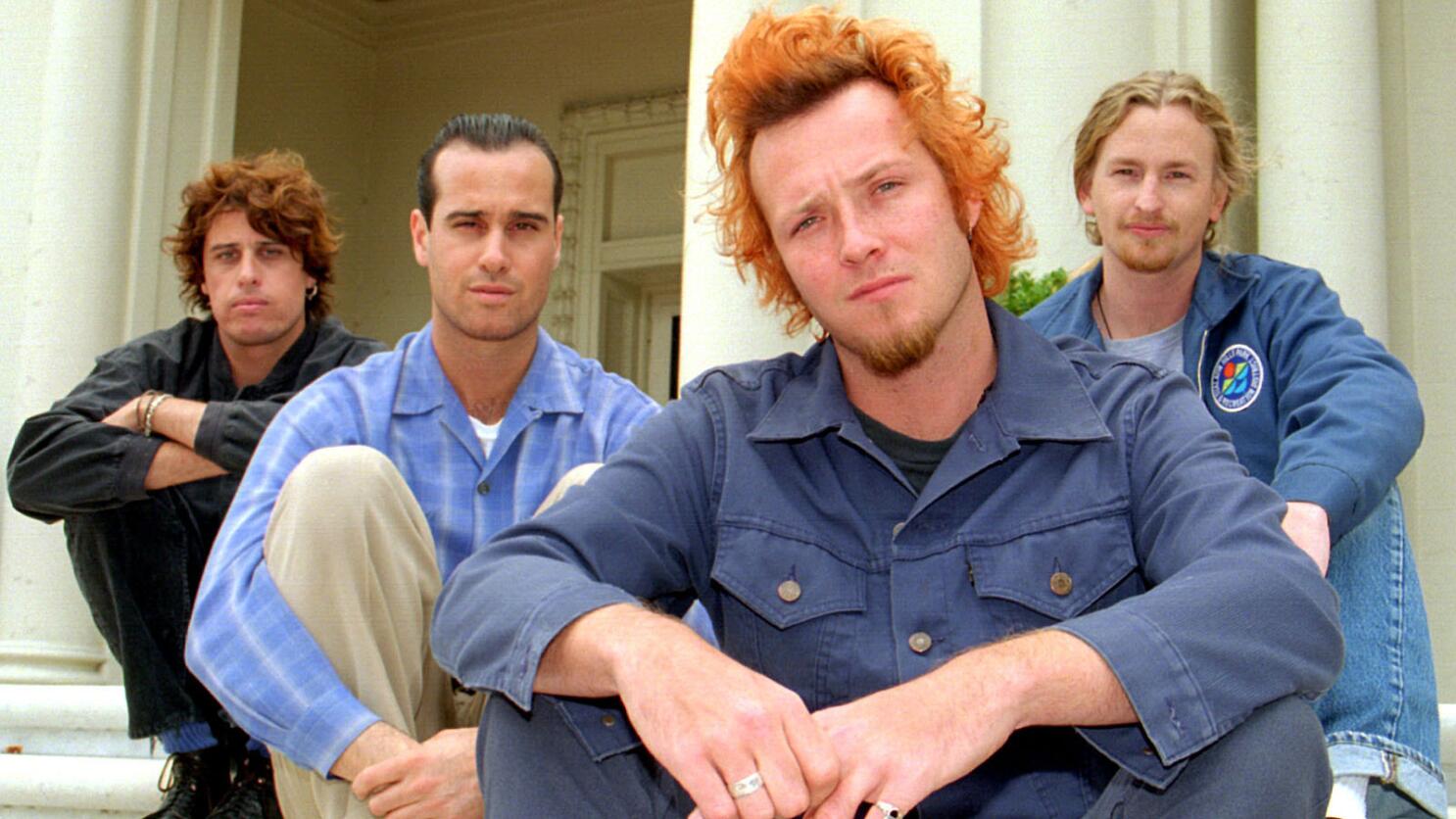
This is the story of their rise to fame, the demons that haunted them, and the tragic legacy left behind.
Scott Richard Cline, later known as Scott Weiland, was born in San Jose, California.
His early life was steeped in sadness.
After his parents divorced when he was just two, Scott moved with his mother to near Cleveland, Ohio, adopting his stepfather’s surname.
Summers spent with his father in California were bittersweet, as Scott described feeling love and closeness only to have to leave again.
Tragedy struck early when his stepbrother Craig died in a bicycle accident at age 11, further isolating Scott.
Music became Scott’s refuge.
Influenced by bands like The Beatles, Cheap Trick, and The Beach Boys, he found escape in sound.
Yet his teen years were marked by alienation and apathy.
In Huntington Beach, California, he felt out of place among the jocks and gravitated toward punk bands like the Sex Pistols and Black Flag.
His struggles with loneliness led him to experiment with drugs and alcohol, culminating in a mental health crisis at 16 when he was institutionalized for three months.
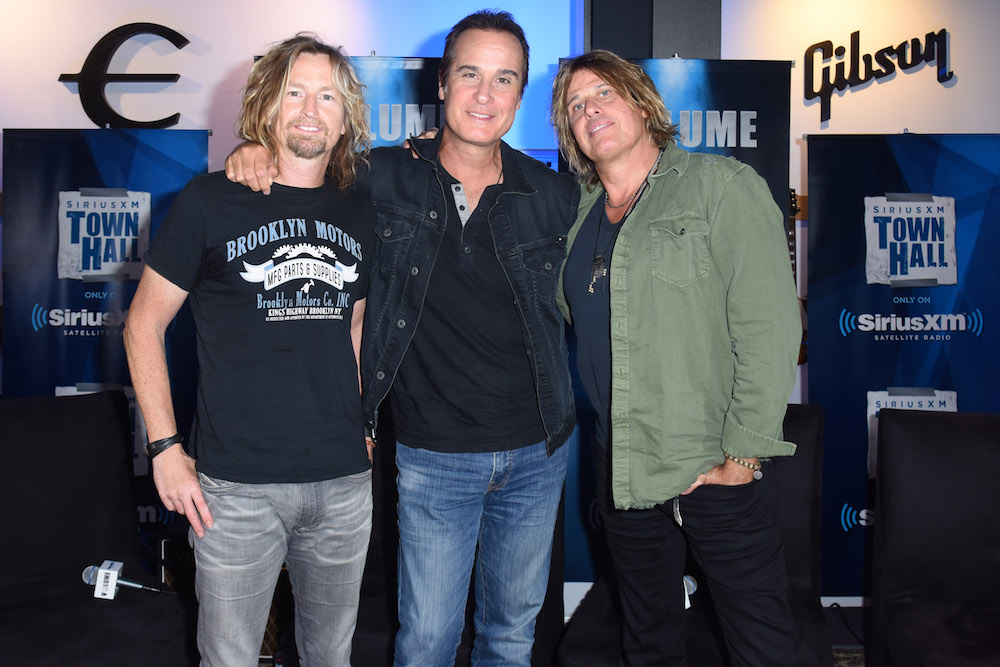
Meanwhile, in Point Pleasant, New Jersey, brothers Robert and Dean DeLeo were growing up immersed in classic rock influences like Led Zeppelin and Black Sabbath.
Both eventually moved to California, where Robert struggled initially, even sleeping in his car before receiving an inheritance that allowed him to set up a home studio.
Scott and Robert crossed paths at a Black Flag show in 1985.
Despite rumors that they had dated the same woman, the two bonded over music and decided to collaborate.
Along with drummer Eric Kretz, who impressed them with his powerful playing, and later Dean DeLeo, they formed a band initially called Mighty Joe Young.
The band’s sound evolved from funky, James Brown-inspired rock toward a harder, more serious tone with the addition of Dean DeLeo.
They changed their name to Stone Temple Pilots after discovering another band already claimed Mighty Joe Young.
The name was inspired by a motor oil product, with Scott suggesting the initials “STP” as a nod to his childhood fascination.
Their debut album, *Core*, released in 1992, was a massive success, propelled by singles like “Sex Type Thing” and “Plush.” Despite commercial acclaim, the band faced criticism for sounding derivative of Seattle grunge bands.
Scott and his bandmates rejected the “grunge” label, emphasizing their Southern California roots and diverse influences.

Behind the scenes, Scott’s drug use escalated, starting with heroin during a 1993 tour.
His addiction fueled tensions within the band, leading to fights and periods of estrangement.
The band’s relationship with the press was fraught, with Scott openly distrusting journalists and criticizing magazines like Rolling Stone.
Despite these struggles, the band continued to produce hits, including the bluesy “Big Empty” and the iconic “Interstate Love Song,” inspired by Scott’s personal struggles with deceit in relationships.
The band’s second album, *Purple* (1994), was critically and commercially successful but marked by increased tension and Scott’s worsening addiction.
The single “Vasoline” was interpreted by Scott as reflecting his drug problems, while the band members saw it as a commentary on the music industry.
Recording *Tiny Music* (1996) was a difficult process, with Scott often disappearing and the band unsure whether to continue.
The album took a psychedelic turn and included hits like “Big Bang Baby” and “Lady Picture Show,” but touring was limited due to Scott’s health and legal issues.
By 1996, Scott’s addiction was public knowledge. Arrests and rehab stints punctuated the band’s attempts to keep going.
Their 1997 hiatus followed rumors of an indefinite break, with Scott pursuing solo projects and other bands like Talk Show and Velvet Revolver.

Throughout this period, resentment grew among band members, with Scott often isolated.
The band’s dynamic was fractured, and legal battles over the band’s name and legacy ensued.
Stone Temple Pilots reunited in 2008, releasing a self-titled album in 2010.
However, old tensions persisted. Scott’s struggles with punctuality and behavior marred performances, and the band’s relationship remained strained.
In 2013, the band officially parted ways with Scott.
They recruited Chester Bennington from Linkin Park as their new frontman, releasing an EP and touring.
Tragically, Scott Weiland died in 2015 from an accidental overdose, and Chester Bennington took his own life two years later.
Stone Temple Pilots’ story is one of immense talent shadowed by personal demons and tragedy.
Their music remains influential, with hits that defined a generation.
Scott Weiland’s voice and persona continue to resonate, a reminder of the fine line between genius and self-destruction in rock ‘n’ roll.
News
The Song that Bob Dylan Wrote About Elvis Presley
Bob Dylan and Elvis Presley are two of the most legendary figures in American music history. One is known as…
Raul Malo, Lead Singer of The Mavericks, has died at age 60
The music world is mourning the loss of Raul Malo, the charismatic lead singer of The Mavericks, who passed away…
At 69, Steve Perry Confessed This Was the Song He Couldn’t Finish
Steve Perry’s voice is one of rock’s most iconic and enduring sounds. As the lead singer of Journey, he gave…
Top 6 SHOCKING Things Axl Rose Said About Other Rock Legends!
Axl Rose, the legendary frontman of Guns N’ Roses, is known not only for his iconic voice and music but…
‘You Had ONE Job!’ How Powerman 5000 FUMBLED a Platinum Future
Powerman 5000’s story is one of bold creativity, underground buzz, and a dramatic crossroads that nearly derailed their ascent to…
‘He Knew Last Show Would Kill Him’ Ozzy Osbourne’s Final Moments | Sharon Osbourne Interview
Ozzy Osbourne, the legendary rock icon, cultural pioneer, and beloved family man, gave his final performance knowing it might be…
End of content
No more pages to load






