
Rock ‘n’ roll has always thrived on chaos, ego, and a dash of pure madness, but few behind-the-scenes stories are as shocking as what went on in the studios with Ozzy Osborne and his early collaborators.
The man responsible for coaxing the reluctant Prince of Darkness to deliver some of his most iconic vocals wasn’t just a producer—he was a master manipulator.
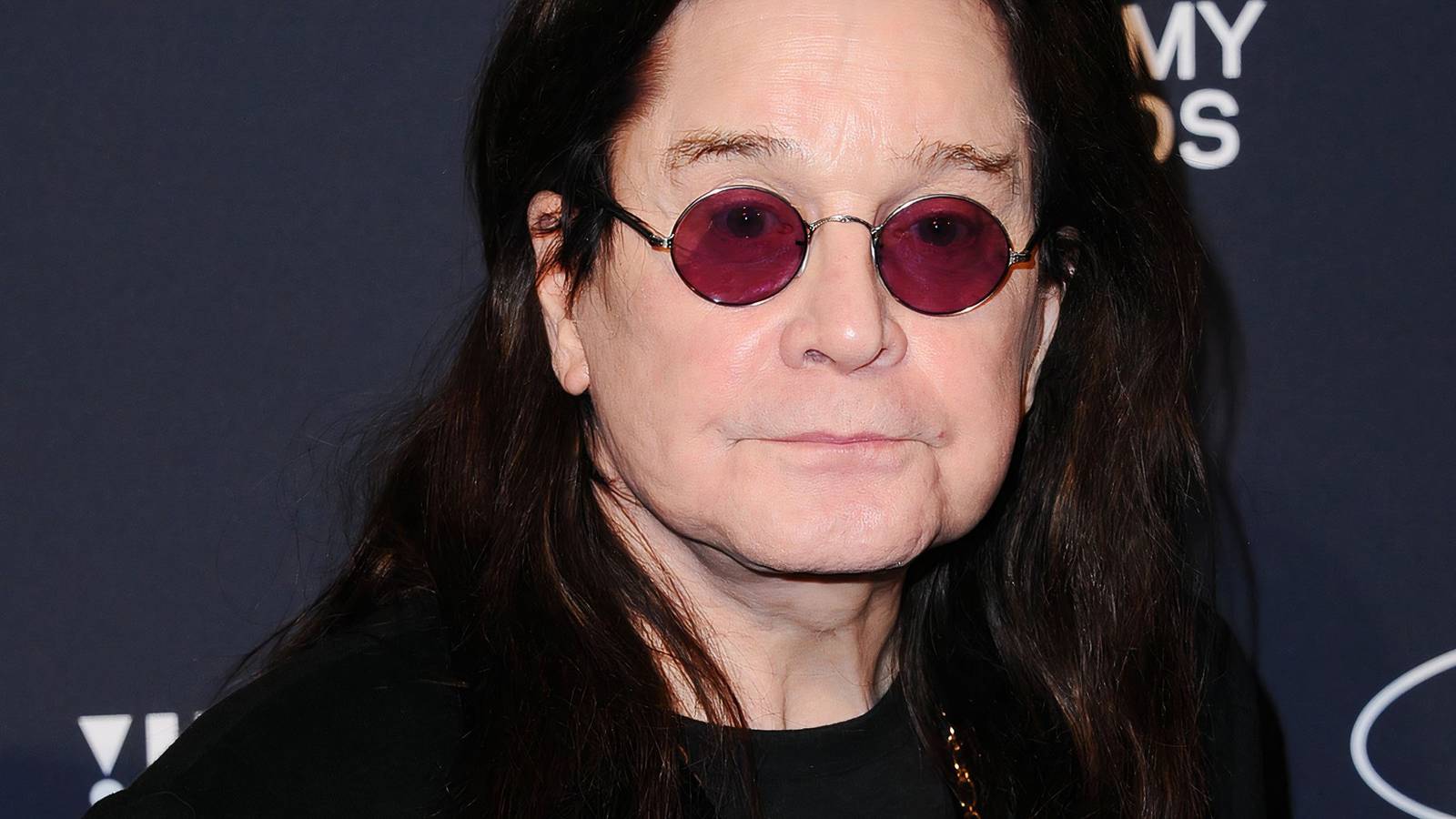
And the story doesn’t start with Ozzy himself, but with a scrappy Canadian band called Coney Hatch, who would experience first-hand the genius and cunning of Max Norman, the very producer who would later engineer and produce some of Ozzy’s greatest records.
Back in the early 1980s, Coney Hatch were nothing more than road dogs playing dingy bars across Canada.
From Toronto to Edmonton, from Calgary to Kirkland Lake, they faced tiny, indifferent audiences night after night.
They were grinding it out, paying their dues, and dreaming of something bigger.
Little did they know that their path would intersect with Norman, a diminutive British producer with a cigarette constantly dangling from his lips and the swagger of a rock legend.
Curran recalls, “He was like a little thug, but brilliant. You never knew if he was messing with you or just showing you how it’s done.”
Norman had already made a name for himself by engineering Ozzy Osborne’s debut album, Blizzard of Ozz, and he brought that same mix of intimidation, charm, and cunning to every project.
He was notorious for tricking Ozzy into singing, telling him that each take was just a “guide vocal.”
Ozzy, who disliked singing in the studio, would reluctantly perform a track or two and then bolt for the pub.
But Norman, alongside Randy Rhoads, would meticulously piece together those fragments into flawless vocal performances.
Every line, every inflection, was carefully compiled from multiple takes, transforming reluctance into legendary art.

Coney Hatch would see a similar mix of brilliance and pressure.
Under Norman and Kim Mitchell’s guidance, they transformed from bar-band unknowns into international rock stars almost overnight.
Their 1982 self-titled debut album became a sensation in Canada and quickly gained attention in the U. S.via MTV.
But behind the glitz was a story of years of grueling work—long nights, punishing travel, and tiny audiences that would make most bands quit.
Curran remembers performing to rooms of five or six people, thinking, “Okay, let’s play, even if no one’s watching. This is our life now.”
Songs like Hey Operator, Monkey Bars, and Devil’s Deck emerged from this chaotic energy.
The tracks were deceptively simple, yet addictive, earworms that resonated far beyond their humble beginnings.
Monkey Bars, in particular, became synonymous with the band, an almost magical creation that people found themselves singing without even realizing it.
Curran admits, “I wasn’t trying to reinvent the world with that song. I just wanted something people would hum.” And hum they did.
The songs stuck, enduring decades of changing musical trends and fan expectations.
The band’s album artwork was equally thought-provoking.
Graphic artist Martin Spring took inspiration from Curran’s childhood memories of a psychiatric hospital named Coney Hatch.
The ominous walls, the surreal imagery, and even a tiny Canadian hoser hidden in the design all conveyed a mix of personal history and fantasy.
“It’s like entering the mind of Coney Hatch,” Curran says.
“Every time someone sees that cover, it tells a story before the first note even plays.”
Over time, the band’s rise became a whirlwind of unforgettable experiences.
They toured with Judas Priest, Cheap Trick, Peter Frampton, and Eddie Money.
They witnessed the early days of MTV, when their videos were some of the first ever played on the fledgling network.
It was a dream realized after years of hard work, mistakes, and relentless perseverance.
“You think it happened overnight,” Curran laughs, “but we paid our dues in every smoky bar and empty hall in Canada.”
Norman’s manipulation wasn’t cruelty—it was strategic genius.
By presenting tasks as casual or temporary, he brought out performances from artists who might otherwise have refused.
This method turned unwilling efforts into groundbreaking recordings, producing a level of artistry that has stood the test of time.
It also fostered a strange kind of intimacy in the studio, a mix of fear, admiration, and trust that left artists forever indebted to his vision.
Years later, the band revisited this history with an anniversary re-release, blending old and new fans in a celebration of their legacy.
They staged unplugged shows, reminiscent of intimate performances played by candlelight, and shared stories that reminded audiences of the grit and determination required to survive in the early 80s rock scene.
Even with health challenges and the passage of time, the fire driving these musicians remained fierce.
Curran reflected, “I feel alive talking about those days. Every show, every song, every risk—it’s all part of what made us who we are.”
The story of Ozzy Osborne, Max Norman, and Coney Hatch is a reminder that rock history is rarely tidy.
It’s messy, manipulative, and filled with clever tricks behind closed doors.
Genius, perseverance, and a little cunning collide to create timeless music, and the artists we revere often had to be nudged—sometimes tricked—into greatness.

Norman’s methods, while unorthodox, were effective.
He coaxed magic from reluctant performers, creating soundscapes that would become etched into rock history.
Even decades later, Curran and his bandmates marvel at how chance encounters, relentless work, and strategic mentorship created the foundation of their careers.
Their music continues to resonate, proving that sometimes, the chaos behind the curtain is just as compelling as the spectacle on stage.
Fans may never know the full extent of the studio manipulations, but they certainly feel the results.
Songs live on, performances echo, and the legend of Max Norman’s genius endures, reminding the world that in rock, brilliance often comes disguised as cunning and perseverance.
In the end, the story of Coney Hatch, Ozzy Osborne, and their producers is more than just rock history—it’s a testament to the power of strategy, cleverness, and relentless ambition.
It proves that even the most reluctant superstar can be guided, prodded, and sometimes tricked into creating unforgettable art.
It is, as Curran says, a “rocket ride” of passion, risk, and triumph, the kind of tale that keeps fans returning, hungry for the stories behind the songs that changed their lives forever.
News
The Song that Bob Dylan Wrote About Elvis Presley
Bob Dylan and Elvis Presley are two of the most legendary figures in American music history. One is known as…

Raul Malo, Lead Singer of The Mavericks, has died at age 60
The music world is mourning the loss of Raul Malo, the charismatic lead singer of The Mavericks, who passed away…
At 69, Steve Perry Confessed This Was the Song He Couldn’t Finish
Steve Perry’s voice is one of rock’s most iconic and enduring sounds. As the lead singer of Journey, he gave…
Top 6 SHOCKING Things Axl Rose Said About Other Rock Legends!
Axl Rose, the legendary frontman of Guns N’ Roses, is known not only for his iconic voice and music but…

‘You Had ONE Job!’ How Powerman 5000 FUMBLED a Platinum Future
Powerman 5000’s story is one of bold creativity, underground buzz, and a dramatic crossroads that nearly derailed their ascent to…
‘He Knew Last Show Would Kill Him’ Ozzy Osbourne’s Final Moments | Sharon Osbourne Interview
Ozzy Osbourne, the legendary rock icon, cultural pioneer, and beloved family man, gave his final performance knowing it might be…
End of content
No more pages to load






