
In the early 1990s, grunge exploded onto the global music scene with a force that few could have predicted.

Nirvana’s landmark album *Nevermind* not only launched the genre into the mainstream but also transformed Seattle from an overlooked, rainy city into the epicenter of a worldwide musical movement.
The flannel-clad, angst-driven sound of grunge became the soundtrack for a generation disillusioned with the excesses of 1980s glam metal and corporate rock.
But what seemed like a cultural revolution was also a ticking time bomb — and by the mid-1990s, grunge was already beginning to unravel.
What went wrong?
Seattle in the late 1980s was a gray, rainy, and isolated place, far removed from the glitzy rock capitals of the world.
The local music scene was loud, raw, and unapologetically authentic — a stark contrast to the polished, hair-metal bands dominating the airwaves.
Bands like Nirvana, Pearl Jam, Soundgarden, and Alice in Chains were playing basement shows and dingy clubs, creating a sound born out of boredom, cheap beer, and distortion.
Grunge wasn’t a calculated cultural movement; it was simply music made by people who didn’t want to conform to the flashy, reverb-soaked sounds of the 80s.
When Nirvana’s *Nevermind* dropped, and especially after the release of “Smells Like Teen Spirit,” the world took notice.
MTV played the video on repeat, and suddenly the underground was everywhere.
Seattle’s flannel, ripped jeans, and combat boots became fashion statements — or at least the practical attire of musicians who lived in a rainy city.
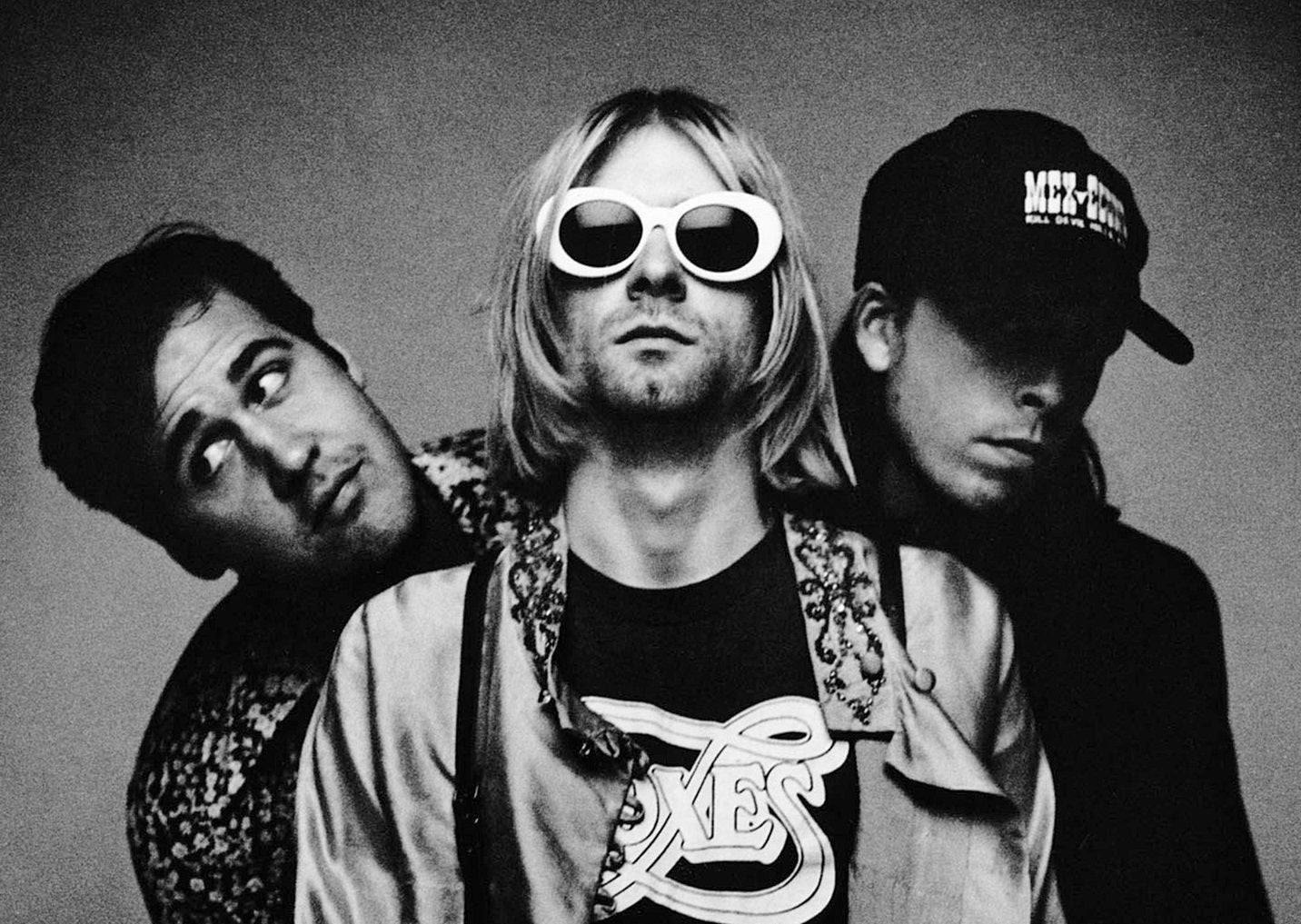
Major labels scrambled to sign any band that looked like they hadn’t showered in a week, and for a brief moment, Seattle was the center of the music universe.
The raw, unpolished sound of grunge was fresh and exciting, a welcome antidote to the overproduced excess of the previous decade.
The paradox of grunge was that its very success sowed the seeds of its downfall.
What started as a rejection of commercialism and polish became one of the most commercially exploited genres in music history.
Kurt Cobain, Nirvana’s reluctant frontman, never wanted to be a spokesperson for a movement, and by the time of his tragic death in 1994, the scene he helped ignite was already eating itself alive.
The music industry milked grunge for all it was worth, signing bands that mimicked the sound but lacked its authenticity.
The underground camaraderie dissolved as the spotlight shone too brightly, and the pressure of fame took its toll on many artists.
Grunge’s raw emotional intensity was both its strength and its curse.
The music spoke to feelings of alienation, pain, and frustration, but many of its key figures struggled with addiction and mental health issues.
Kurt Cobain’s heroin addiction and eventual suicide marked a devastating turning point.

Other artists, like Layne Staley of Alice in Chains, battled their demons publicly, with performances like the haunting MTV Unplugged session standing as a grim reminder of the toll the lifestyle took.
The death of Cobain was not just the end of Nirvana but the symbolic death of grunge’s golden era.
Following Cobain’s death, the music industry quickly moved on, flooding the market with watered-down “alternative” bands that lacked the original spirit of grunge.
The movement that once rejected corporate rock became a commodity, repackaged and sold to a wider audience.
By the late 1990s, new musical trends like electronic music and nu-metal began to dominate, pushing grunge further into the background.
Bands like Korn and Limp Bizkit took the downtuned guitars and angst of grunge but combined them with hip-hop beats and arena-sized production, embracing the chaos rather than rejecting it.
Meanwhile, Britpop bands like Oasis and Blur offered a different alternative — one that celebrated swagger and melody over grunge’s rawness and despair.
Though grunge’s commercial peak was brief, its impact on music is undeniable.
It forced producers to adopt a more organic approach, inspired countless bands, and gave voice to those who felt marginalized.
The gritty, unpolished vibe of grunge remains influential in alternative rock, emo, and even hip-hop.
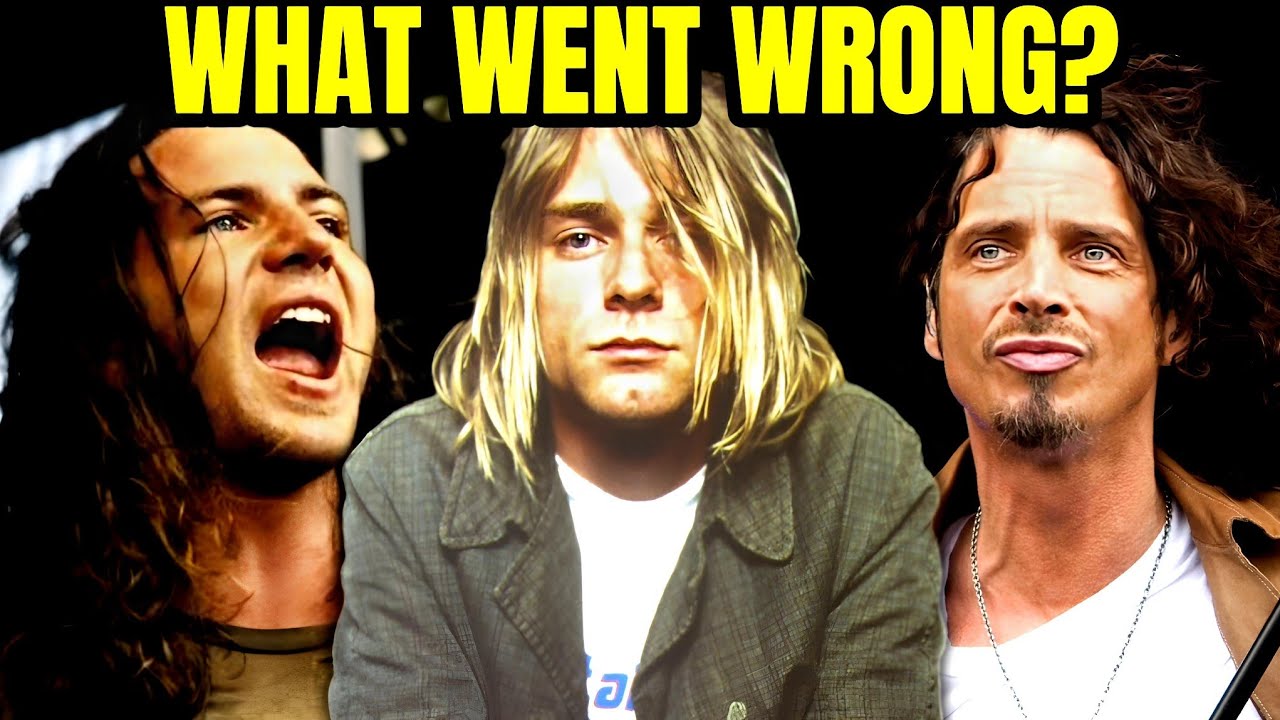
While true grunge as it existed in the early 90s may never return, its spirit lives on in the music of today.
It was a singular explosion born from frustration and disillusionment — a movement that came, burned bright, and left behind embers that still glow.
Grunge was never meant to last forever.
It was a raw, honest expression of a generation’s angst and alienation, born in the rainy basements of Seattle and catapulted to global fame almost overnight.
Its rapid rise and equally rapid collapse were fueled by the contradictions inherent in becoming mainstream while trying to remain anti-establishment.
Kurt Cobain’s tragic death marked the end of an era, but the music and attitude of grunge continue to resonate.
It was a movement that changed the face of rock forever, proving that sometimes the loudest, messiest, and most genuine voices leave the deepest mark.
News
The Song that Bob Dylan Wrote About Elvis Presley
Bob Dylan and Elvis Presley are two of the most legendary figures in American music history. One is known as…

Raul Malo, Lead Singer of The Mavericks, has died at age 60
The music world is mourning the loss of Raul Malo, the charismatic lead singer of The Mavericks, who passed away…

At 69, Steve Perry Confessed This Was the Song He Couldn’t Finish
Steve Perry’s voice is one of rock’s most iconic and enduring sounds. As the lead singer of Journey, he gave…

Top 6 SHOCKING Things Axl Rose Said About Other Rock Legends!
Axl Rose, the legendary frontman of Guns N’ Roses, is known not only for his iconic voice and music but…

‘You Had ONE Job!’ How Powerman 5000 FUMBLED a Platinum Future
Powerman 5000’s story is one of bold creativity, underground buzz, and a dramatic crossroads that nearly derailed their ascent to…
‘He Knew Last Show Would Kill Him’ Ozzy Osbourne’s Final Moments | Sharon Osbourne Interview
Ozzy Osbourne, the legendary rock icon, cultural pioneer, and beloved family man, gave his final performance knowing it might be…
End of content
No more pages to load






