
In the mid-1970s, the punk rock scene exploded in New York City, with bands like the Ramones, Blondie, Talking Heads, and the Dead Boys making waves at the legendary venue CBGB.
While their peers enjoyed commercial success and broader recognition, the Dead Boys became infamous for their self-destructive behavior, violent concerts, and chaotic lifestyle.
Despite their brief initial career, the band’s influence on punk rock has been profound and long-lasting.
Though they made their name in New York, the Dead Boys’ origins lie in Cleveland, Ohio.
The story begins with the proto-punk band Rocket from the Tombs, formed in 1974 by David Thomas, a writer and musician who also contributed to a local tabloid called *The Scene*.
The band’s early lineup evolved over time, eventually including guitarist and vocalist Peter Laughner, guitarist Cheetah Chrome, drummer Johnny Blitz, and bassist Craig Bell.
Rocket from the Tombs was notable for its original material at a time when most local bands played covers.
Their DIY ethos and raw sound laid the groundwork for what would become punk rock.
However, internal tensions and differing musical visions led to the band’s breakup.
Steve Bators (later known as Stiv Bators), a charismatic and wild frontman from Youngstown, Ohio, joined the group briefly and brought a larger-than-life persona.

Although not as technically skilled as some members, Bators’ energy and attitude helped shape the band’s direction.
After Rocket from the Tombs dissolved, members formed Frankenstein, but this project also floundered amid infighting and lack of gigs.
In 1976, Bators traveled to New York City, immersing himself in the underground music scene at Max’s Kansas City and CBGB.
There, he connected with Joey Ramone and club owner Hilly Kristal, who would become instrumental in launching the Dead Boys’ career.
Bators’ wild antics and rapport with the Ramones helped secure the band a gig at CBGB, a venue that was quickly becoming the epicenter of punk.
Upon returning to Cleveland, Bators convinced his former bandmates to relocate to New York.
They reformed without their original bassist and initially had no name.
The name “Dead Boys” was spontaneously coined by Bators, inspired by a lyric in their song “Down in Flames.” Their debut show at CBGB drew attention from key figures, including punk magazine founders and music journalists.
CBGB was a rough, gritty club famous for its rat infestations and infamous chili that sometimes contained cigarette ashes or worse.
The Dead Boys fit right in with their aggressive sound and outrageous stage antics.
Steve Bators was known for crawling through drum kits, slashing himself with mic stands, and engaging in chaotic performances that blurred the line between music and performance art.

Their live shows were notorious for rowdy, often violent crowds.
Fights were common, and band members frequently faced thrown objects from the audience.
Despite controversial and sometimes misogynistic lyrics, the Dead Boys attracted a devoted following and numerous groupies.
Their confrontational style and image set them apart from other punk acts.
In 1977, the Dead Boys recorded their debut album *Young, Loud and Snotty* at Electric Lady Studios, produced by Genya Ravan.
Ravan, a Jewish musician whose parents survived the Holocaust, insisted the band remove offensive symbols like swastikas from their stage attire, believing the band was unaware of their implications and simply trying to provoke.
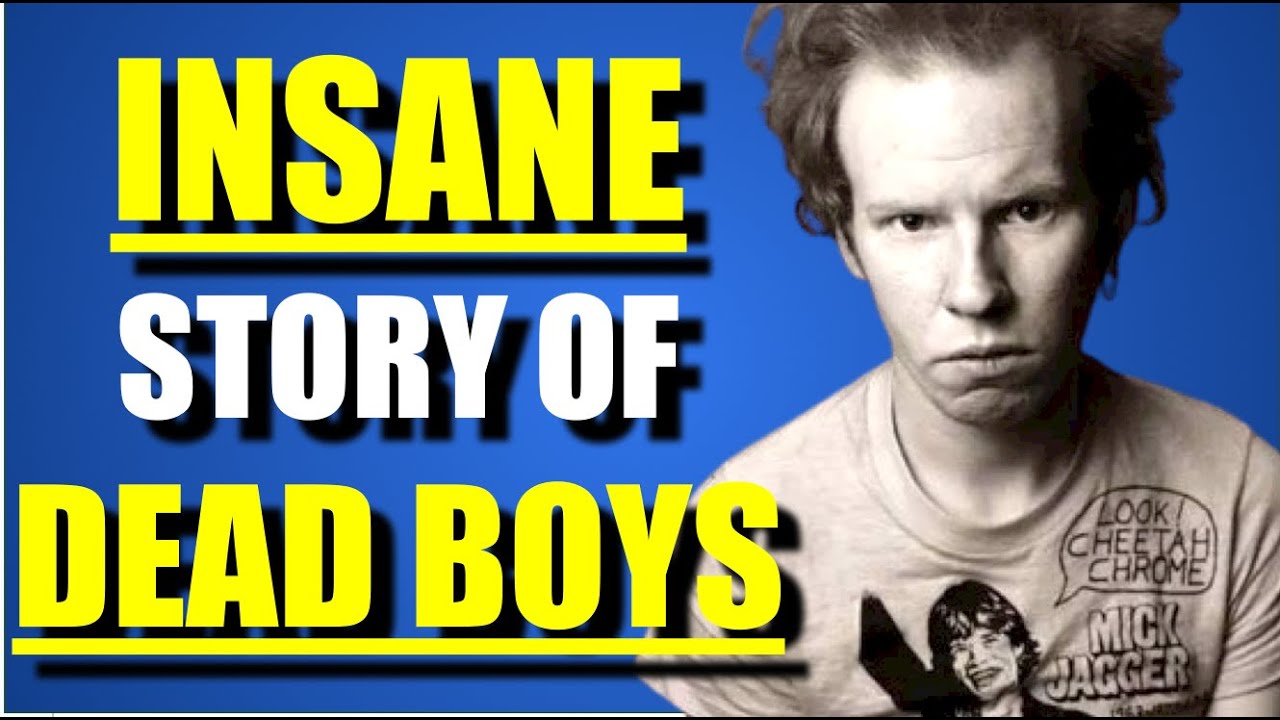
The album captured the raw energy and aggression of the band’s live performances, featuring tracks like “Sonic Reducer,” “Down in Flames,” and “I Need Lunch.”
Though critically praised and later considered a punk classic—ranking #7 on Rolling Stone’s list of best punk albums—it was a commercial failure, peaking at only #189 on the charts.
The Dead Boys toured with punk legends like Iggy Pop and became friends with the Sex Pistols.
However, their lifestyle was marred by drug abuse, violence, and internal conflicts.
Drummer Johnny Blitz was stabbed five times protecting the band’s roadie, leading to benefit shows to cover his
News
The Song that Bob Dylan Wrote About Elvis Presley
Bob Dylan and Elvis Presley are two of the most legendary figures in American music history. One is known as…
Raul Malo, Lead Singer of The Mavericks, has died at age 60
The music world is mourning the loss of Raul Malo, the charismatic lead singer of The Mavericks, who passed away…
At 69, Steve Perry Confessed This Was the Song He Couldn’t Finish
Steve Perry’s voice is one of rock’s most iconic and enduring sounds. As the lead singer of Journey, he gave…
Top 6 SHOCKING Things Axl Rose Said About Other Rock Legends!
Axl Rose, the legendary frontman of Guns N’ Roses, is known not only for his iconic voice and music but…
‘You Had ONE Job!’ How Powerman 5000 FUMBLED a Platinum Future
Powerman 5000’s story is one of bold creativity, underground buzz, and a dramatic crossroads that nearly derailed their ascent to…
‘He Knew Last Show Would Kill Him’ Ozzy Osbourne’s Final Moments | Sharon Osbourne Interview
Ozzy Osbourne, the legendary rock icon, cultural pioneer, and beloved family man, gave his final performance knowing it might be…
End of content
No more pages to load






