
When Mick Taylor walked away from the Rolling Stones, the music world was left stunned and confused.
How could a guitarist of such immense talent and promise abandon one of the most iconic rock bands on Earth? Decades later, Taylor finally revealed the bitter truth behind his departure—a tale of musical brilliance, personal demons, band politics, and shattered dreams.
Born in England in the late 1940s, Mick Taylor’s journey began far from the glittering stages of rock superstardom.
Raised in a working-class family, Taylor picked up the guitar at the tender age of nine.
His prodigious talent quickly became apparent as he moved through various bands during his teenage years, making television appearances and releasing singles that hinted at a bright future.
A pivotal moment came when Taylor, still a teenager, attended a gig by John Mayall’s Blues Breakers, a band that featured the legendary Eric Clapton.
To Taylor’s surprise, Clapton was absent that night.
Seizing the opportunity, young Taylor boldly offered to fill in, impressing the band and audience alike with his flawless performance.
Despite his shy and reserved nature offstage, Taylor’s musical prowess could not be denied.
Taylor officially joined John Mayall’s Blues Breakers after Clapton’s departure.
Though initially overshadowed by comparisons to Clapton, Taylor quickly proved himself, helping the band record the album *Crusade* in a mere seven hours.
With this success, Taylor embraced the rock lifestyle—touring extensively, mingling with legends like Jimi Hendrix, and buying his first Fender Stratocaster.
Despite the success, tensions simmered beneath the surface.
John Mayall, the bandleader, began viewing Taylor less as a protégé and more as a rival. Feeling stifled and undervalued, Taylor knew it was time for a change.

By 1969, the Rolling Stones were riding high but facing turmoil.
Founding member Brian Jones was battling addiction and struggling to contribute.
When Jones officially left the band in June, Mick Jagger, Keith Richards, Bill Wyman, and Charlie Watts sought a new guitarist.
Taylor, recommended by a friend, was brought in—not just for his skills but also for his youthful looks and malleable image, which fit the Stones’ carefully crafted public persona.
However, the band’s motives went deeper.
The Stones wanted a guitarist they could control, someone without the ego of a Clapton or Jeff Beck.
They got more than they bargained for.
Taylor’s initial impression of the Stones was brutally honest.
He couldn’t believe how poorly they sounded in rehearsal, criticizing their timing and overall musicality.
But he also saw an opportunity to elevate their sound.
He immediately began overdubbing guitar parts on their album *Let It Bleed*, injecting a fluidity and sophistication that revitalized their music.
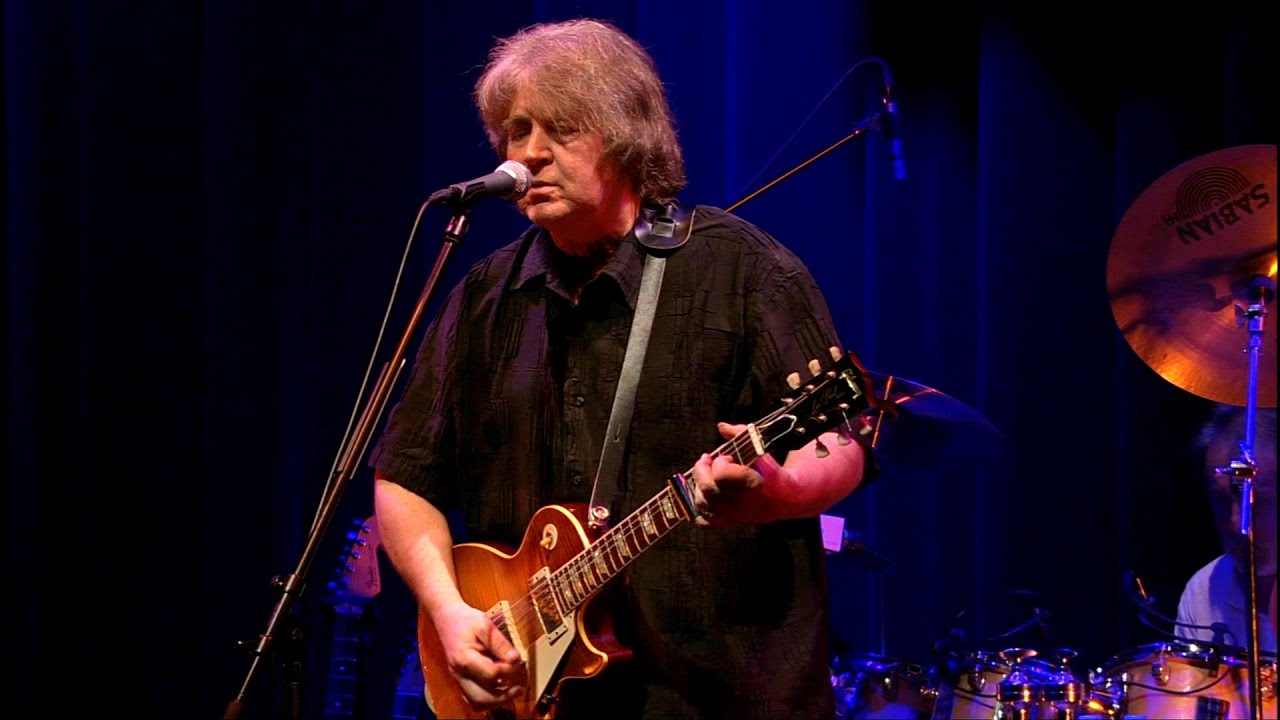
Taylor’s debut with the Stones was meant to be a triumphant Hyde Park concert in July 1969.
Instead, it was overshadowed by the tragic death of Brian Jones, found dead in his swimming pool just days before the show.
The concert turned into a somber tribute, marking a bittersweet beginning for Taylor’s tenure.
The 1960s rock scene was as much about wild parties and excess as it was about music, and Taylor was no exception.
Though he denied that his sinus surgery was caused by substance abuse, his increasing drug use was emblematic of the era’s excesses.
One infamous incident was the Altamont Free Festival in 1969, where the Stones played to a massive crowd under the watch of the Hell’s Angels, who acted as security.
The event turned violent when an audience member, Meredith Hunter, was stabbed and killed during the concert.
Despite the chaos, the Stones controversially continued their set, debuting the song “Brown Sugar.”
The festival marked the symbolic end of the 1960s’ innocence and idealism, with Taylor and the Stones caught in the middle of the fallout.
Taylor’s time with the Stones was not just marked by musical highs but also financial and personal lows.
Despite earning a substantial weekly wage and eventually a share of the band’s earnings, Taylor discovered he owed a staggering £22,000 to the British tax authorities, a debt he couldn’t easily pay.
The entire band faced similar financial pressures, leading them to become tax exiles in 1971, relocating mainly to France.
This upheaval put strain on their ability to tour and maintain cohesion.
Though Taylor contributed significantly to albums like *Sticky Fingers* and *Exile on Main Street*, the band’s internal dynamics were deteriorating.
Keith Richards’ escalating addiction problems made it difficult for the two guitarists to collaborate smoothly.
Taylor also faced frustration when his songwriting ambitions were blocked by Jagger and Richards, who controlled the creative direction and royalties.
Taylor’s mood darkened, and he even took a six-week trip to Brazil to escape the tensions.
Upon return, he learned he had been excluded from songwriting credits on songs he claimed to have co-written.
This betrayal was a crushing blow.
By late 1974, Taylor’s discontent reached a boiling point.
Encouraged by producer Andy Johns and urged by his girlfriend Rose Miller to make a decision, Taylor stunned the band by announcing his departure at a party hosted by Eric Clapton.
He reportedly walked out immediately, leaving the Stones furious at the timing, just before recording sessions.
Despite the acrimony, Keith Richards sent Taylor a heartfelt telegram expressing gratitude for their years together, moving Taylor to tears.
Publicly, Taylor’s resignation was downplayed, but behind the scenes, it was a seismic event.
Though Taylor’s exit was painful, his career did not falter.
He collaborated with legendary artists like Jack Bruce and Bob Dylan and maintained a steady stream of session work.
The Stones, meanwhile, never quite recaptured the bluesy magic Taylor brought to their sound, a fact even Mick Jagger acknowledged.
Taylor’s personal life suffered in the years following, including a divorce from Rose Miller amid ongoing struggles with addiction.
However, by the 1990s, he had turned his life around, kicking his habits and finding stability.
He now lives in the Netherlands in a long-term relationship and continues to be involved in Stones-related projects.
Mick Taylor’s time with the Rolling Stones was both a dream and a nightmare—a rollercoaster of musical triumphs and personal turmoil.
His story is a poignant reminder of the cost of fame, the fragility of creative partnerships, and the resilience required to survive the rock ‘n’ roll lifestyle.
In his own words, it was “mostly a lot of fun,” but it came with a heavy price.
For fans and historians alike, Mick Taylor remains the lost member of the Rolling Stones—the brilliant guitarist whose flame burned bright but briefly in the band’s legendary saga.
News
The Song that Bob Dylan Wrote About Elvis Presley
Bob Dylan and Elvis Presley are two of the most legendary figures in American music history. One is known as…

Raul Malo, Lead Singer of The Mavericks, has died at age 60
The music world is mourning the loss of Raul Malo, the charismatic lead singer of The Mavericks, who passed away…
At 69, Steve Perry Confessed This Was the Song He Couldn’t Finish
Steve Perry’s voice is one of rock’s most iconic and enduring sounds. As the lead singer of Journey, he gave…
Top 6 SHOCKING Things Axl Rose Said About Other Rock Legends!
Axl Rose, the legendary frontman of Guns N’ Roses, is known not only for his iconic voice and music but…
‘You Had ONE Job!’ How Powerman 5000 FUMBLED a Platinum Future
Powerman 5000’s story is one of bold creativity, underground buzz, and a dramatic crossroads that nearly derailed their ascent to…
‘He Knew Last Show Would Kill Him’ Ozzy Osbourne’s Final Moments | Sharon Osbourne Interview
Ozzy Osbourne, the legendary rock icon, cultural pioneer, and beloved family man, gave his final performance knowing it might be…
End of content
No more pages to load






