
Lynyrd Skynyrd, one of rock’s most iconic bands, is forever etched in music history not only for their Southern rock anthems but also for the tragic plane crash that abruptly ended the lives of key band members in 1977.

While many remember the crash as a devastating accident, the truth—revealed decades later—is far more chilling.
It was not fate or chance but a series of preventable missteps, ignored warnings, and poor decisions that led to this heartbreaking catastrophe.
This article delves into the story behind the crash, the band’s rise, the ominous warnings, and the aftermath that forever changed rock music.
Formed in Jacksonville, Florida, Lynyrd Skynyrd rose from modest origins to become a defining force in Southern rock.
The core lineup—Ronnie Van Zant (lead vocals), Gary Rossington (guitar), Allen Collins (guitar), Leon Wilkeson (bass), Billy Powell (keyboards), and Artimus Pyle (drums)—crafted a unique sound blending gritty guitar riffs with country storytelling.
Hits like “Gimme Three Steps,” “Tuesday’s Gone,” and “Simple Man” quickly earned them a devoted fan base that extended well beyond the South.
Their signature song, “Free Bird,” became an anthem known for its emotional lyrics and epic guitar solos, often closing their concerts to thunderous applause and chants of “Play Free Bird!” The release of their album *Street Survivors* in October 1977 marked the band at the peak of their creative and commercial success.
With new member Steve Gaines contributing acclaimed guitar work, the album soared to the top of the charts, featuring hits like “What’s Your Name” and “That Smell.”
The plane that carried Lynyrd Skynyrd on their fateful flight was a 1948 Convair 240, an aircraft long past its prime with over 29,000 flight hours.
Though once a staple for short-haul flights, by the late 1960s, it had been largely retired due to age and reliability concerns.

The particular plane rented by the band was poorly maintained, with a questionable operating history involving multiple ownership changes and uses outside regulated passenger service.
Disturbingly, Aerosmith’s management had inspected this very aircraft months earlier and rejected it due to safety concerns, including reports of pilots drinking on the job.
Yet, despite these warnings, Lynyrd Skynyrd’s management proceeded to use the Convair 240 for their tour, prioritizing convenience and scheduling over safety.
The band faced visible signs of trouble before the crash.
During a prior flight, sparks were seen coming from the plane’s right engine, raising alarm among band members and crew.
Backup singer Cassie Gaines, who feared flying on the aging plane, even considered traveling by the band’s equipment truck instead.
However, she was persuaded to board after lead singer Ronnie Van Zant reassured her with the chilling words, “If it’s your time to go, it’s your time to go.”
Discussions to replace the Convair 240 with a safer Learjet were underway but never materialized in time.
The decision to continue flying on the unreliable plane sealed the band’s fate.
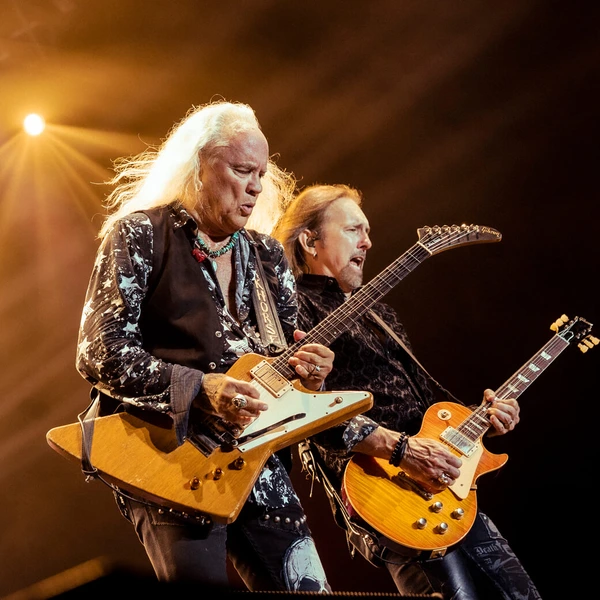
On October 20, 1977, the Convair 240 ran out of fuel mid-flight.
The National Transportation Safety Board (NTSB) investigation revealed that the crash was caused not by mechanical failure but by pilot error and poor fuel management.
The crew failed to monitor fuel levels accurately and misjudged consumption, flying with engines set to “auto-rich” mixture—a setting that consumes excessive fuel—rather than the fuel-saving “auto-lean” mode.
As fuel ran dangerously low, the pilots attempted to transfer fuel between tanks but accidentally jettisoned the remaining fuel, leaving the plane powerless over Mississippi swamp land.
The subsequent crash killed Ronnie Van Zant, Steve Gaines, Cassie Gaines, and several others instantly.
Survivors like Gary Rossington and Billy Powell were severely injured but lived to tell the harrowing tale.
Ronnie Van Zant’s fatalism was well-known among friends and family.
He often spoke of his belief he wouldn’t live past 30, telling his father and bandmates of his premonition.
His calm acceptance of fate, especially his reassurance to Cassie Gaines, adds an eerie layer of tragedy to the crash.
Survivors recalled a haunting calm during the plane’s final descent, with passengers praying silently as the aircraft tore through trees and disintegrated.
The crash site was a chaotic scene of twisted metal, injured survivors, and fallen bandmates.

The survivors faced not only physical injuries but lifelong trauma. Gary Rossington suffered multiple broken bones and chronic pain, yet remained dedicated to Lynyrd Skynyrd’s music until his death in 2023.
Leon Wilkeson was declared dead three times but returned to perform despite severe injuries.
Allen Collins, co-writer of many hits, was later paralyzed in a car accident and struggled with addiction before his death.
The crash left a deep scar on the music world. Lynyrd Skynyrd’s legacy as Southern rock pioneers endures through timeless songs like “Sweet Home Alabama” and “Free Bird.” Their music continues to inspire artists across genres and generations.
The tragedy sparked legal battles over the band’s story and image, including disputes over biopics and album artwork.
The original *Street Survivors* album cover, featuring the band amid flames, was replaced after public outcry following the crash.
Memorials near the crash site and tributes worldwide keep the memory of the band alive.
Their story is a cautionary tale about the cost of neglecting safety and the fragility of life amid the pursuit of fame.
The Lynyrd Skynyrd plane crash was not just a tragic accident but a preventable disaster born of ignored warnings and human error.
The band’s rise and fall encapsulate the highs and lows of rock ‘n’ roll, reminding us of the price paid by those who chase glory on the edge.
Their music remains immortal, a testament to talent, resilience, and the haunting legacy of a night that changed rock history forever.
News

The Song that Bob Dylan Wrote About Elvis Presley
Bob Dylan and Elvis Presley are two of the most legendary figures in American music history. One is known as…
Raul Malo, Lead Singer of The Mavericks, has died at age 60
The music world is mourning the loss of Raul Malo, the charismatic lead singer of The Mavericks, who passed away…

At 69, Steve Perry Confessed This Was the Song He Couldn’t Finish
Steve Perry’s voice is one of rock’s most iconic and enduring sounds. As the lead singer of Journey, he gave…

Top 6 SHOCKING Things Axl Rose Said About Other Rock Legends!
Axl Rose, the legendary frontman of Guns N’ Roses, is known not only for his iconic voice and music but…

‘You Had ONE Job!’ How Powerman 5000 FUMBLED a Platinum Future
Powerman 5000’s story is one of bold creativity, underground buzz, and a dramatic crossroads that nearly derailed their ascent to…
‘He Knew Last Show Would Kill Him’ Ozzy Osbourne’s Final Moments | Sharon Osbourne Interview
Ozzy Osbourne, the legendary rock icon, cultural pioneer, and beloved family man, gave his final performance knowing it might be…
End of content
No more pages to load






