
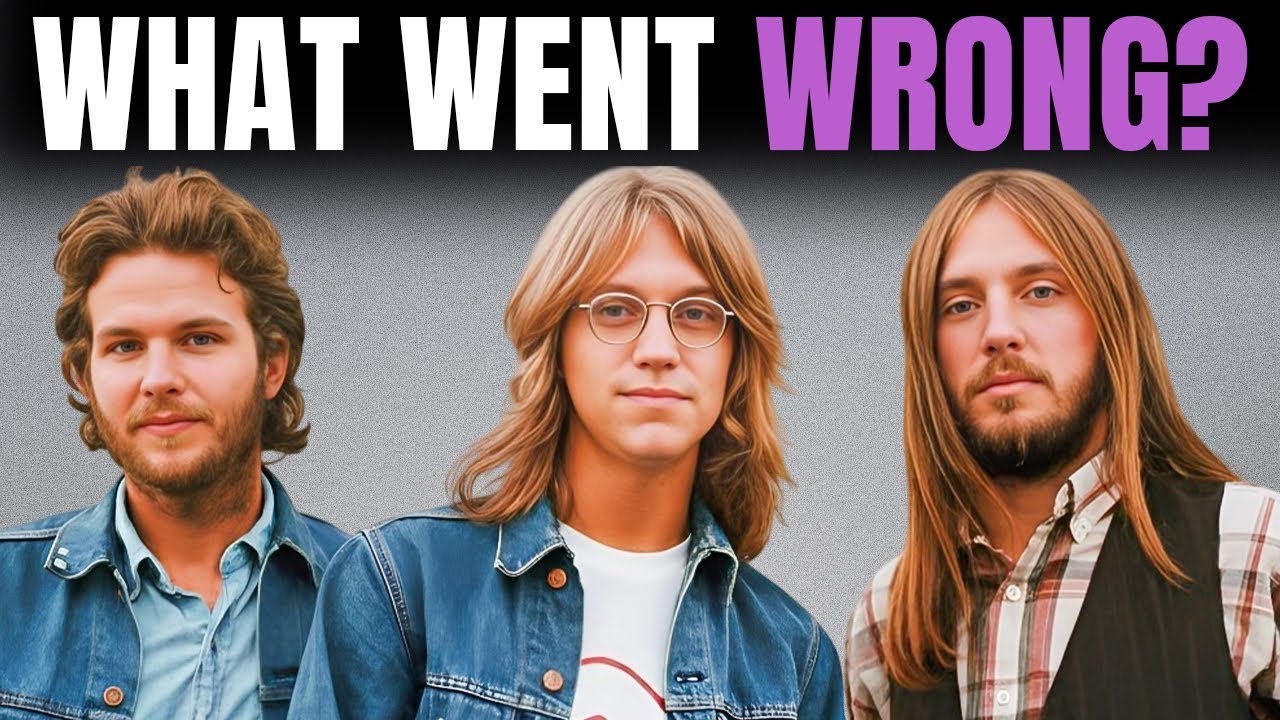
The story of America, the band, is one of extraordinary highs and unexpected lows—a tale of three American teenagers who conquered the global music scene from England with a song about a mysterious horse, only to face a spiritual and creative breakdown that shattered their harmony forever.
Their journey from 20 million records sold and Beatles-level prestige to bitter silence and faded relevance is both a cautionary and poignant saga in rock history.
In the late 1960s, three teenage boys—Dewey Bunnell, Gerry Beckley, and Dan Peek—found themselves living a life of constant displacement.
Sons of U.S.Air Force personnel stationed overseas, they grew up on military bases in England, far removed from the cultural upheavals and protests sweeping America.
This unique upbringing left them feeling “too American for England, too displaced to call anywhere home.”
Their shared experience of rootlessness and homesickness led them to music as a way to connect with a mythical America they barely knew but deeply longed for.
Meeting at London Central High School, they bonded over their love for folk rock, especially the harmonies of Crosby, Stills & Nash and the iconic sound of The Beatles.
Their music would come to reflect a romanticized vision of the American West, constructed from childhood memories, road trips, and the records they smuggled from home.
By 1970, the trio had formed the band America, a name that captured their complex identity.
Their debut album, released in 1972, included a song that nearly didn’t make the cut—“A Horse with No Name.”
Inspired by Dewey Bunnell’s desert drives and the stark beauty of the American Southwest, the song’s hypnotic rhythm and abstract lyrics struck a chord worldwide.
“A Horse with No Name” soared to number one on the U.S.Billboard Hot 100, famously displacing Neil Young’s “Heart of Gold.” Its success was so surprising that many listeners initially mistook it for a Neil Young track.
While some critics accused America of riding on Young’s coattails, the band openly acknowledged his influence, and the song became their signature hit.
The band quickly proved they were no one-hit wonders.
Their debut album also featured “I Need You,” a top 10 hit, and their follow-up album, *Homecoming*, delivered the enduring anthem “Ventura Highway,” capturing the essence of the American road trip and the promise of freedom.
In 1974, America enlisted legendary Beatles producer Sir George Martin, who transformed their raw acoustic sound into polished, sophisticated soft rock.
Martin’s influence brought lush strings, layered harmonies, and refined arrangements that elevated the band’s music to new heights.
Between 1974 and 1977, America released four albums under Martin’s guidance, including *Holiday*, *Hearts*, *Hideaway*, and *Harbor*.
Hits like “Tin Man,” “Lonely People,” and the number one “Sister Golden Hair” defined this golden era.
The band won the Grammy Award for Best New Artist in 1973, and their greatest hits compilation achieved multi-platinum sales, cementing their status as soft rock royalty.
Their music became the soundtrack for a generation’s summers, first loves, and road trips.
Yet, beneath the surface, the pressures of fame and the changing musical landscape were beginning to take their toll.

By the late 1970s, America’s gentle, harmonious soft rock was increasingly out of step with the new wave, punk, and harder rock movements gaining popularity.
Critics dismissed their music as “toothless” and “corporate easy listening,” and the band faced an identity crisis.
The relentless touring, recording, and rockstar lifestyle began to wear on the members.
Dan Peek, in particular, struggled with the emptiness behind the fame.
In his memoir, he described feeling like a “runaway freight train” with nowhere to escape.
Despite outward success, he battled profound spiritual and emotional conflict.
In 1977, Peek made a dramatic decision to leave the band and pursue a solo career in Christian music, marking a turning point for America.
His departure, though amicable on the surface, fractured the band’s signature three-part harmony and creative dynamic.
The loss of Peek’s voice and songwriting left a void that Gerry Beckley and Dewey Bunnell struggled to fill.
Their first album as a duo, *Live* (1977), was a commercial disappointment, signaling the end of their top 30 album streak.

They switched labels from Warner Brothers to Capitol Records, but the struggles continued.
Their final George Martin-produced album, *Silent Letter* (1979), failed to regain their former success, and the 1980 album *Alibi* revealed deep internal divisions, with the album literally split into “our side” and “their side” reflecting creative battles.
In a painful move, the remaining members removed Dan Peek’s most successful songs from their live shows, erasing key parts of their legacy.
Their music faded from mainstream radio, and America became relegated to nostalgia tours and oldies stations.
In 1982, producer Russ Ballard helped America score a brief comeback with “You Can Do Magic,” a top 10 hit that reminded fans of their songwriting prowess.
However, by the 1990s, the band had fully transitioned into a nostalgia act, playing casinos, fairs, and festivals.
Yet, in the 21st century, America’s music found new life through the yacht rock revival and cinematic rediscovery.
Films and TV shows like *Breaking Bad*, *American Hustle*, and *The Nice Guys* featured their songs, introducing their evocative melodies to new audiences.
Songs like “Ventura Highway,” “Lonely People,” and “Sister Golden Hair” are now appreciated as foundational works of soft rock, influencing bands like Toto and Steely Dan.
America’s story is one of paradoxes—three displaced military kids creating music about a homeland they barely knew, achieving meteoric success, and then quietly falling apart amid spiritual and creative struggles.
Though the band’s brotherhood fractured and their hits faded, their music endures, transcending time and generations.
Their harmonies, born from homesickness and longing, continue to move listeners, proving that sometimes the deepest beauty emerges from the most profound displacement.
News
The Song that Bob Dylan Wrote About Elvis Presley
Bob Dylan and Elvis Presley are two of the most legendary figures in American music history. One is known as…

Raul Malo, Lead Singer of The Mavericks, has died at age 60
The music world is mourning the loss of Raul Malo, the charismatic lead singer of The Mavericks, who passed away…

At 69, Steve Perry Confessed This Was the Song He Couldn’t Finish
Steve Perry’s voice is one of rock’s most iconic and enduring sounds. As the lead singer of Journey, he gave…

Top 6 SHOCKING Things Axl Rose Said About Other Rock Legends!
Axl Rose, the legendary frontman of Guns N’ Roses, is known not only for his iconic voice and music but…
‘You Had ONE Job!’ How Powerman 5000 FUMBLED a Platinum Future
Powerman 5000’s story is one of bold creativity, underground buzz, and a dramatic crossroads that nearly derailed their ascent to…
‘He Knew Last Show Would Kill Him’ Ozzy Osbourne’s Final Moments | Sharon Osbourne Interview
Ozzy Osbourne, the legendary rock icon, cultural pioneer, and beloved family man, gave his final performance knowing it might be…
End of content
No more pages to load






