What if the biggest hit of your career was actually a joke you begged not to release? This is the astonishing story of Randy Bachman and Bachman-Turner Overdrive (BTO), whose meteoric rise to rock stardom was shadowed by personal principles, family betrayals, lawsuits, and tragic losses.
From selling millions of albums to bitter rivalries that fractured brotherhood, BTO’s saga is a cautionary tale of fame’s double-edged sword.
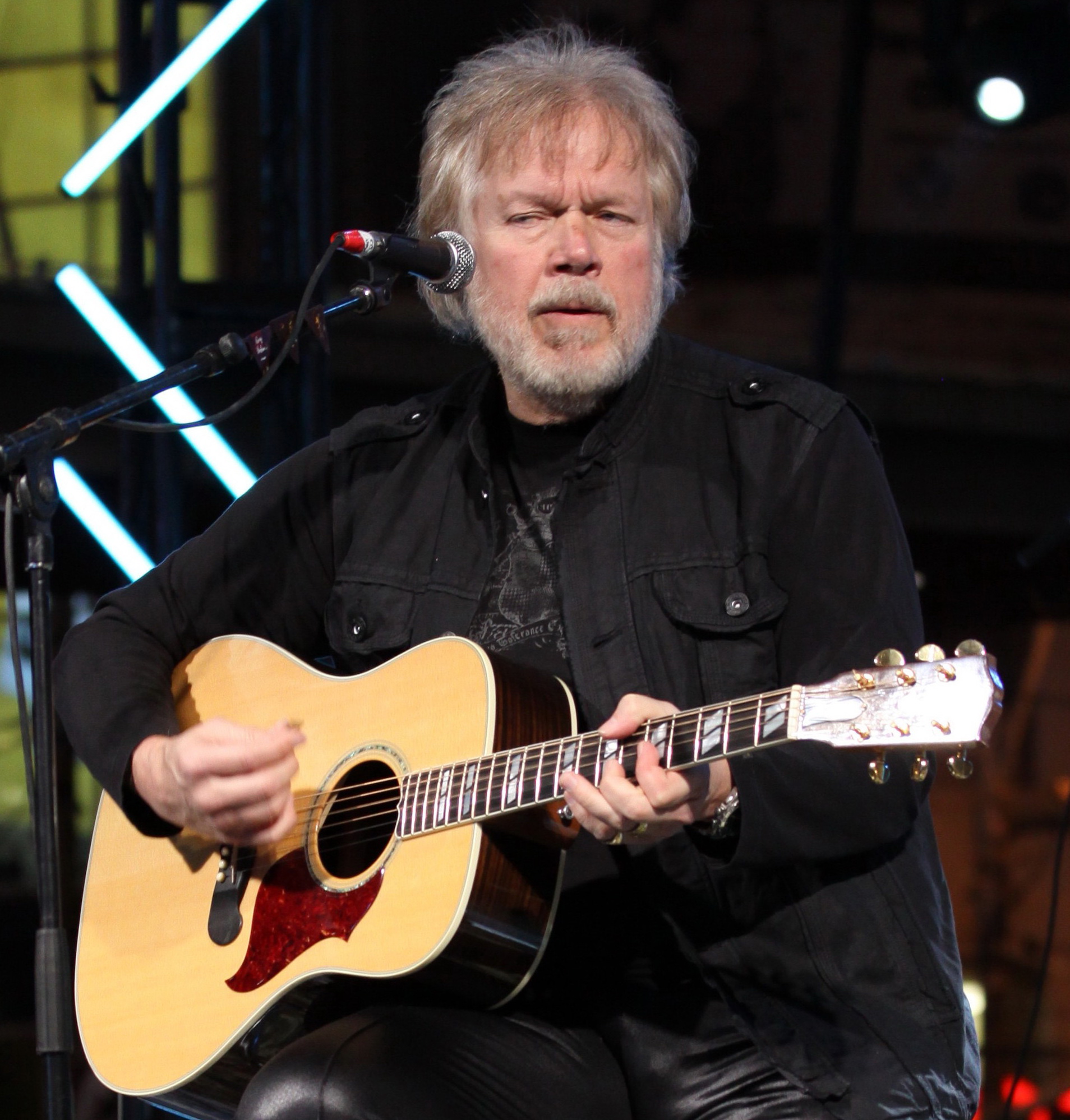
In 1970, Randy Bachman was living the dream.
As the guitarist and primary songwriter for The Guess Who, he had just penned the smash hit “American Woman,” which soared to number one worldwide.
The band was at the pinnacle of rock and roll glory, filling sold-out arenas and making millionaire fortunes.
For a Canadian kid from Winnipeg, it was everything he could have hoped for.
But Randy’s story took an unexpected turn—not because of music, but due to his unwavering moral compass.
A devout member of the Church of Jesus Christ of Latter-day Saints, Bachman was deeply troubled by the rampant substance abuse among his bandmates: heavy drinking, constant marijuana use, and even methamphetamine.
He drew a firm line and demanded the behavior stop.
The response was brutal—they kicked him out.
Sacrificing fame and fortune for integrity, Randy returned to Winnipeg broke and blacklisted from an industry that often punished those who took a moral stand.
Facing the daunting task of starting over, he was determined to rebuild.

In 1971, Randy formed a new band, Brave Belt, with former Guess Who bandmate Chad Allen and his younger brother Robbie on drums.
The goal was to shift away from hard rock to a gentler country rock sound.
However, the execution was disastrous.
Their debut album barely made a ripple, with only a minor Canadian hit, “Crazy Arms, Crazy Eyes,” peaking at number 35.
In the crucial US market, it was a complete flop.
Financially, the band was hemorrhaging money. Between 1971 and 1972, Brave Belt lost the equivalent of nearly a million dollars today.
Randy personally covered 60% of these losses, paying salaries from his dwindling royalties.
Critics dismissed the band as a failed comeback, and Randy watched his life savings evaporate.
Desperation sparked innovation.
Randy realized that survival demanded a heavier, simpler, and more commercially viable sound.
The turning point came with the addition of bassist and vocalist Fred Turner, whose gruff, blue-collar style was the perfect antidote to their earlier failures.

By 1973, Brave Belt shed its soft rock identity and founding member Chad Allen.
Tim Bachman joined on rhythm guitar, and with Robbie and Fred, they embraced a muscular, gear-driven rock sound.
They needed a new name that embodied power and reliability—thus, Bachman-Turner Overdrive was born.
This rebrand positioned them perfectly for an American audience tired of the elaborate, decadent rock of the era.
BTO was the anti-glam band: no orchestras, no costumes, just raw, hard-driving rock that resonated with working-class America.
BTO’s self-titled debut album in 1973 made modest waves, reaching number 70 in the US and number nine in Canada.
The single “Blue Collar” connected with laborers, signaling their new focus.
But it was their follow-up, *Bachman-Turner Overdrive 2*, that catapulted them to stardom, hitting number four on the US Billboard chart.
Two singles defined their rise: “Let It Ride” and “Taking Care of Business.
” The former was inspired by a real-life confrontation with truck drivers who brushed off the band’s frustration with a casual “let it ride.
” The phrase became a hit song that peaked at number 23 on the Billboard Hot 100.
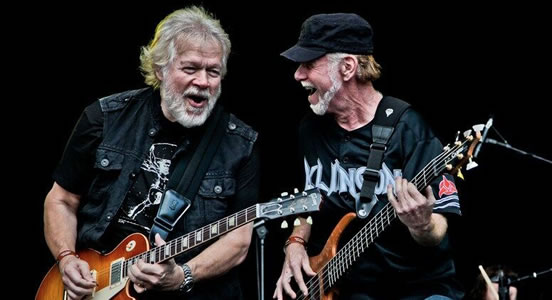
“Taking Care of Business,” released the same month, became their signature anthem.
With lyrics capturing the daily grind of the 9-to-5 worker, it climbed to number 12 and stayed on the charts for 20 weeks.
The song became a multigenerational anthem of American determination and working-class pride.
The band’s biggest hit came from a joke.
“You Ain’t Seen Nothing Yet” was originally a prank Randy recorded to tease his brother Gary’s stutter.
Despite Randy’s insistence that the track be scrapped, Mercury Records’ VP overruled him, releasing the rough, stuttering version that became a number one smash worldwide.
This unexpected success was bittersweet.
It validated the label’s preference for simple, unpolished tracks, undermining Randy’s artistic control and intensifying tensions within the band.
Randy’s perfectionism clashed with the band’s desire to stick to a winning formula, sowing seeds of internal discord.
As BTO’s fame skyrocketed, so did the pressure. Endless touring and the demand for hits wore the band down.
Randy’s controlling nature, once seen as leadership, became a source of resentment for his younger brothers.
What should have been brotherhood turned toxic.
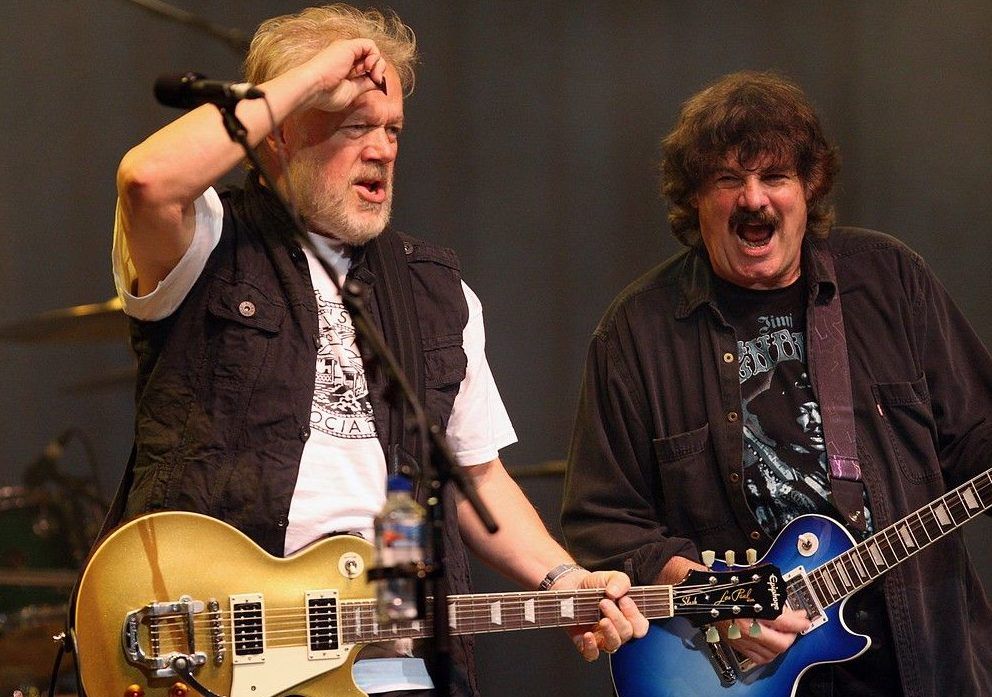
By the mid-70s, the band’s engine was running dangerously hot.
The tension between Randy’s creative vision and the rest of the group’s desire for simplicity fractured relationships.
After releasing *Head-On* (1975) and *Freeways* (1977), Randy decided to leave, seeking family stability and a simpler life.
Without Randy’s songwriting genius, the band struggled.
Successive albums relied heavily on outside writers, and sales declined amid shifting musical trends.
The rise of disco and punk rock labeled BTO’s heavy boogie sound as outdated.
By 1980, the band officially disbanded. But the professional split was overshadowed by a deeper, more painful family rift.
Robbie Bachman openly resented Randy’s condescending attitude, likening the band’s internal dynamics to the fictional inept group Spinal Tap.
What started as business disagreements turned into lasting bitterness.
From the 1980s onward, BTO’s history was marked by failed reunion attempts and competing lineups.
The band’s name, once a symbol of brotherhood, became a legal battleground.
Randy and Robbie fought over trademark rights, leading to separate touring groups each claiming authenticity.

Despite occasional glimpses of reconciliation, the brothers remained estranged.
The silence stretched for decades, heavy with regret and unresolved conflict.
The band’s tragic chapter closed in 2023 with the deaths of co-founder Robbie Bachman and original guitarist Tim Bachman.
Robbie’s passing brought a poignant, albeit late, moment of closure.
Randy publicly paid tribute, calling Robbie an integral part of their “rock and roll machine.”
Yet, the long-hoped-for reconciliation never came. Pride and litigation defined their legacy as much as their music.
The working-class heroes of rock had clocked out for good, leaving behind a complicated legacy of triumph and tragedy.
Despite internal strife and changing musical landscapes, BTO’s music remains timeless.
Their driving rhythms and relatable anthems continue to resonate on classic rock radio, in commercials, films, and sports arenas.
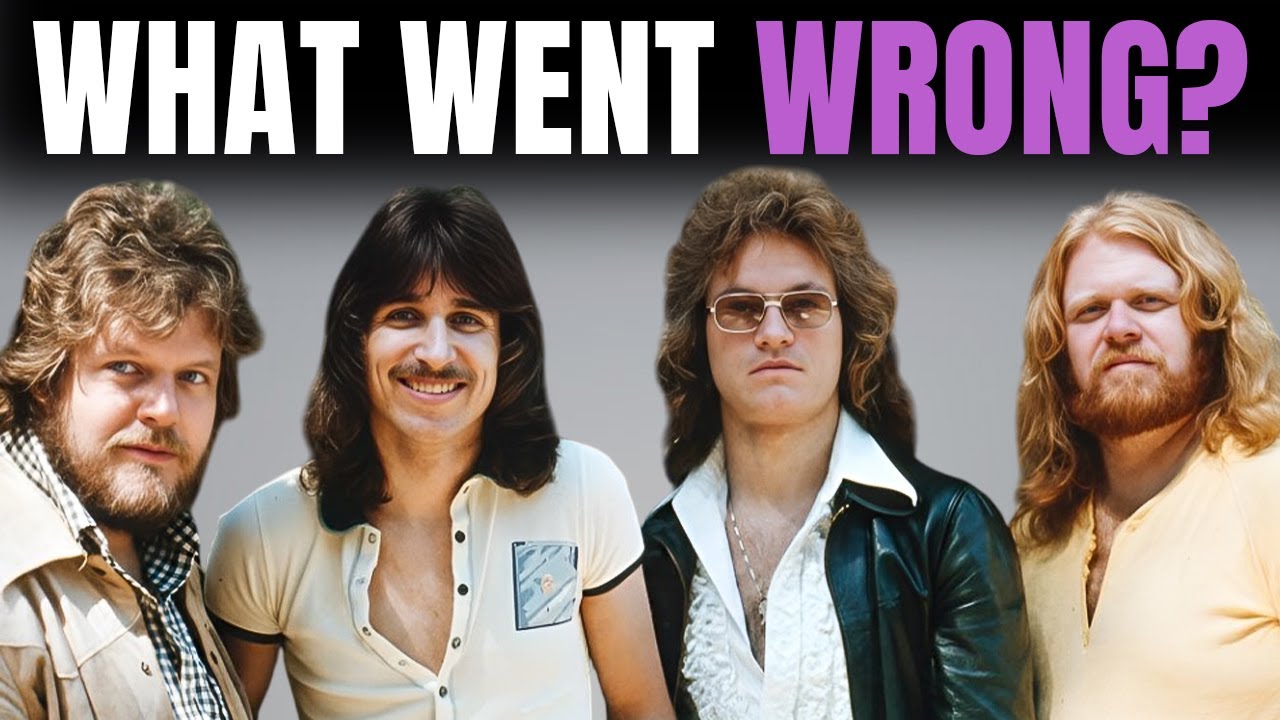
Songs like “Let It Ride,” “You Ain’t Seen Nothing Yet,” and “Taking Care of Business” have become part of America’s cultural fabric—celebrating determination, grit, and the working man’s spirit.
In 2014, the classic lineup reunited briefly to celebrate their induction into the Canadian Music Hall of Fame, performing their iconic anthem “Taking Care of Business.” It was a rare truce, a reminder that their artistic legacy outlasted personal bitterness.
Bachman-Turner Overdrive’s story is a powerful reminder that success tests loyalty and pride can break brotherhood.
Randy Bachman’s journey from rock royalty to moral exile, and the band’s rise to international stardom followed by bitter family feuds, paints a vivid picture of the highs and lows of fame.
Though the engines have stopped and the brothers never fully reconciled, their music endures—echoing on highways, in bars, and in the hearts of fans worldwide.
BTO proved that authenticity trumps pretension, and that sometimes the greatest triumphs come with the heaviest costs.
News

How Slipknot’s Joey Jordison Changed Wednesday 13’s Career: From Trailer Couch to Glam Horror Rock Icon
Wednesday 13, the charismatic frontman of the Murderdolls and a veteran of the horror punk and glam rock scene, has…
Richie Blackmore Hospitalized After Severe Vertigo Attack: Rock Legend’s Shocking Ordeal Revealed
Richie Blackmore, the legendary guitarist known for his groundbreaking work with Deep Purple and Rainbow, recently shared a startling update…

Former NFL QB Breaks Down Shedeur Sanders’ First NFL Start: Beyond the Numbers, A Rookie’s Poise and Potential
The much-anticipated NFL debut of rookie quarterback Shedeur Sanders has stirred plenty of discussion, especially around his performance metrics and…

Death Metal Meltdown: Band Implodes After 30-Hour Drug Bender, Frontman Abandoned at a Gas Station in Vermont
In a saga so chaotic it feels ripped from a late-night reality show rather than the touring circuit of a…
🐿️ MAX CROSBY GOES VIRAL AFTER REVEALING HIS TRUE FEELINGS ABOUT SHEDUR SANDERS — RAIDERS FANS STUNNED AS STAR PASS RUSHER SIGNALS THE DRAFT MISTAKE THAT HAUNTS THE FRANCHISE
The Las Vegas Raiders expected Week 12 to be another gritty showdown with the Cleveland Browns, but no one in…
🐿️ At 29, Deshaun Watson BREAKS SILENCE on His DARKEST Cleveland Fears—REVEALS a SECRET AGENDA Holding Back Shedeur Sanders🔥😱 Is This the Scandal That Finally Ends Kevin Stefanski’s Era?
Cleveland has endured decades of disappointment, but the scandal unfolding now feels different—darker, heavier, and more calculated than anything the…
End of content
No more pages to load