
The story of Bad Company is one of rock and roll triumph, rapid success, internal conflict, and eventual dissolution.

Emerging from the wreckage of the British rock scene in the early 1970s, this supergroup formed by seasoned veterans quickly rose to international fame, selling over 20 million albums and conquering arenas.
Yet behind the music and the glory lay personal struggles, broken friendships, and the heavy toll of fame.
In 1973, the British rock scene was in turmoil.
Bands that once seemed invincible were collapsing under the weight of excess, ego, and relentless touring.
From this chaos, four experienced musicians came together with a shared vision to create something new and pure.
Paul Rodgers, fresh from the implosion of the band Free, joined forces with drummer Simon Kirke, guitarist Mick Ralphs from Mott the Hoople, and bassist Boz Burrell, who brought a sophisticated edge from his time with King Crimson.
These men were not novices chasing fame; they were battle-hardened veterans who had learned hard lessons about the pitfalls of rock stardom.
Their chemistry was immediate and their goal clear: to deliver blues-based hard rock without pretense or compromise.
Their first challenge was even choosing a name.
Despite management objections that “Bad Company” was uncommercial and off-putting, the band insisted on it, signaling their determination not to be defined by anyone else.
This stubbornness would become a hallmark of their identity.
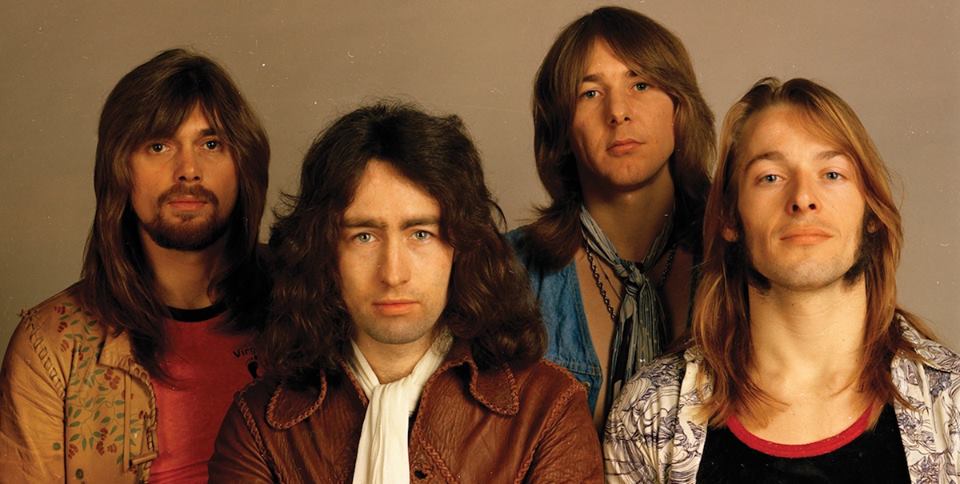
Their fortunes changed dramatically with the involvement of Peter Grant, the legendary manager of Led Zeppelin.
When Led Zeppelin’s contract with Atlantic Records ended, Grant launched Swan Song Records in 1974, signing Bad Company as one of its first acts.
This association gave Bad Company instant credibility and access to major tours and promoters, particularly in the United States.
The band’s debut album, *Bad Company*, released in May 1974, was an explosive success.
It shot to number one on the Billboard 200, with hit singles like “Can’t Get Enough” and the title track “Bad Company” becoming anthems of a generation.
Paul Rodgers’ powerful voice soared over Mick Ralphs’ chunky guitar riffs, while Kirke and Burrell created grooves that felt timeless.
Interestingly, America embraced Bad Company far more enthusiastically than Britain.
The raw, unpolished sound resonated with American ideals of freedom, the open road, and working-class dreams.
The album eventually achieved multi-platinum status in the U.S., catapulting the band into relentless touring and the exhausting machinery of arena rock superstardom.
The mid-1970s were dominated by Bad Company.
Their follow-up albums *Straight Shooter* (1975) and *Run with the Pack* (1976) continued their commercial success, with consistent chart performance and platinum certifications.
The band was a reliable hit machine, delivering exactly what fans expected.

One of their most enduring songs, “Feel Like Making Love,” emerged during this period.
Written initially by Rodgers during the decline of Free, it was transformed into a hard rock anthem thanks to Ralphs’ inspired guitar contributions.
This song, along with others, showcased the alchemical chemistry of the original lineup.
However, success began to take its toll.
The constant touring, parties, and pressures of fame started to drain the band members physically and emotionally.
By the late 1970s, cracks were appearing.
Their 1977 album *Burnin’ Sky* marked a commercial dip, and although *Desolation Angels* (1979) rebounded, critics noted a fading hunger and creativity.
The cultural landscape was also shifting, with punk rock challenging the established norms and pushing bands like Bad Company into a difficult position.
The band’s blues-rock style was seen by some as outdated, and the relentless grind of their lifestyle was causing burnout.
The ultimate blow came in 1980 with the death of Led Zeppelin drummer John Bonham.
Since Bad Company was closely linked to Led Zeppelin through Swan Song Records, Bonham’s death triggered a seismic shift.
Led Zeppelin disbanded, and Peter Grant, the protective manager who had shielded Bad Company, withdrew, leaving the band exposed.
Their label entered a hiatus, and the band, already exhausted from years of touring, lost their external support.
The recording sessions for *Rough Diamonds* in 1982 were fraught with tension, resentment, and exhaustion.
More fundamentally, the band fractured over lifestyle choices.
Paul Rodgers, committed to sobriety and family life, found himself increasingly isolated as the others continued a party lifestyle.
His desire for stability and to watch his children grow was misunderstood and even resented by his bandmates.
In a cruel irony, Rodgers was ostracized for choosing sobriety.
Tensions exploded into violence during the studio sessions, culminating in a fistfight between Rodgers and Boz Burrell, which had to be physically broken up by Kirke and Ralphs.
The brotherhood that had fueled their music was irreparably broken.
*Rough Diamonds* became their lowest-charting album in the UK, and the single “Electric Land” stalled in the U.S.The magic was gone.
Rodgers left the band, and with him, the identity of the original Bad Company vanished.

After a dormant period, Mick Ralphs and Simon Kirke revived Bad Company in 1986 with new vocalist Brian Howe, shifting toward a more polished, adult-oriented rock sound heavy on synthesizers.
Although this incarnation achieved commercial success with albums like *Dangerous Age* (1988) and *Holy Water* (1990), the soul and rawness of the original band were lost.
The band split the fanbase into two camps: those loyal to the classic era and those accepting the corporate rock phase.
Brian Howe himself admitted that singing blues without the original struggles felt hollow.
Despite the fractures and changes, Bad Company’s influence endured.
They sold 20 million certified albums in the U.S.and 40 million worldwide, cementing their place in classic rock royalty.
Their songs remain staples of classic rock radio and continue to soundtrack memories for generations.
Tragedy continued to shadow the band.
Boz Burrell passed away in 2006, and Mick Ralphs suffered a stroke in 2016 that ended his playing career.
He died in 2025, leaving Simon Kirke as the sole member to have played in every incarnation.
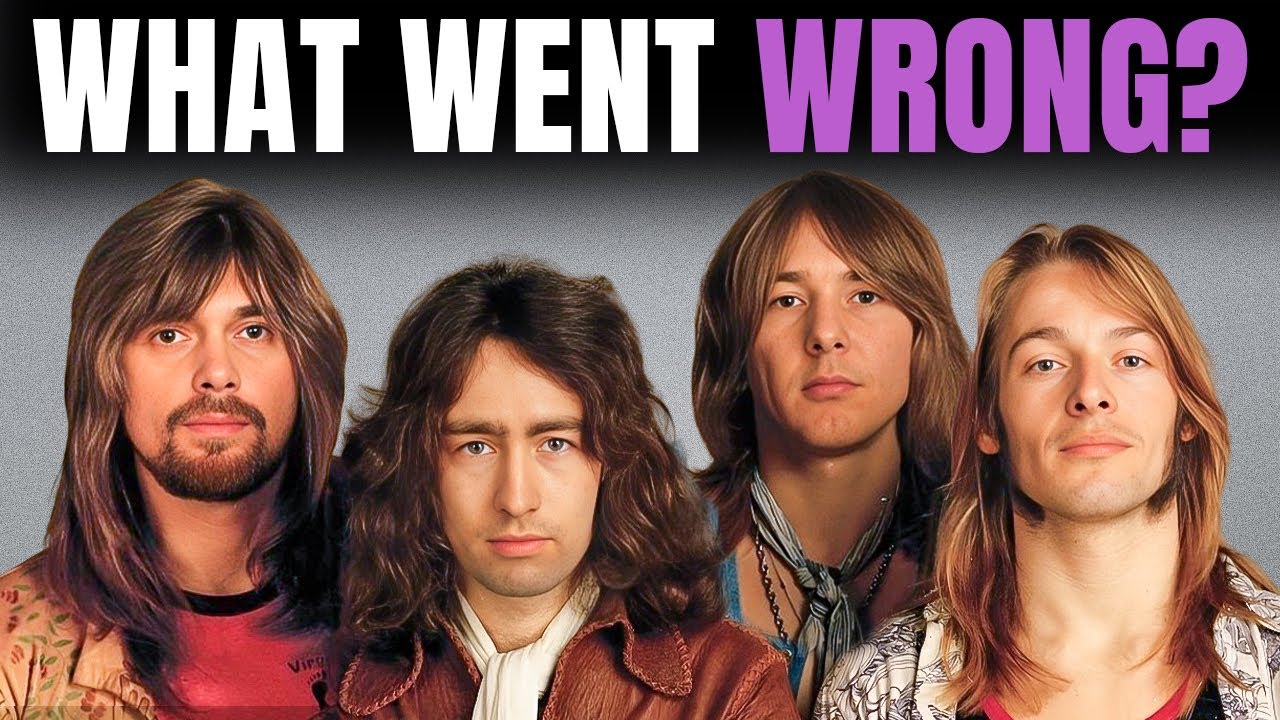
In 2025, the original lineup was finally inducted into the Rock and Roll Hall of Fame—a bittersweet moment with only two surviving original members, Paul Rodgers and Simon Kirke, present.
Rodgers, who had battled serious health issues including multiple strokes, and Kirke, who confirmed the band will not continue touring, may reunite for one final performance.
Bad Company’s story is a powerful testament to the heights and hazards of rock stardom.
They proved that rock music did not need complexity to be impactful; honesty, chemistry, and a voice that could move mountains were enough.
Yet their journey also revealed the hidden costs of fame—the burnout, broken bonds, and personal sacrifices behind the music.
Their legacy lives on in their timeless songs and the memories of fans worldwide.
But the men who made that music paid dearly for their success, reminding us that behind every rock anthem lies a human story of struggle and survival.
News
The Song that Bob Dylan Wrote About Elvis Presley
Bob Dylan and Elvis Presley are two of the most legendary figures in American music history. One is known as…
Raul Malo, Lead Singer of The Mavericks, has died at age 60
The music world is mourning the loss of Raul Malo, the charismatic lead singer of The Mavericks, who passed away…
At 69, Steve Perry Confessed This Was the Song He Couldn’t Finish
Steve Perry’s voice is one of rock’s most iconic and enduring sounds. As the lead singer of Journey, he gave…
Top 6 SHOCKING Things Axl Rose Said About Other Rock Legends!
Axl Rose, the legendary frontman of Guns N’ Roses, is known not only for his iconic voice and music but…
‘You Had ONE Job!’ How Powerman 5000 FUMBLED a Platinum Future
Powerman 5000’s story is one of bold creativity, underground buzz, and a dramatic crossroads that nearly derailed their ascent to…
‘He Knew Last Show Would Kill Him’ Ozzy Osbourne’s Final Moments | Sharon Osbourne Interview
Ozzy Osbourne, the legendary rock icon, cultural pioneer, and beloved family man, gave his final performance knowing it might be…
End of content
No more pages to load






