
What if violins and epic seven-minute suites could break into rock’s mainstream arena status and sell millions? For six kids from Topeka, Kansas, that dream became a reality.

While critics scoffed at their ambitious blend of classical complexity and hard rock energy, Kansas conquered America with a distinct sound that no one expected.
But behind the scenes, a spiritual awakening and unyielding convictions would fracture the brotherhood they built, proving that even 15 million albums can’t hold a band together when faith collides with fame.
In the early 1970s, far from the music hubs of New York, Los Angeles, and London, six young musicians from Topeka were forging a sound uniquely their own.
Emerging from the ashes of two local bands, Saratoga and White Clover, Kansas was born from a fierce creative tension.
Half the band wanted straightforward hard rock that made you move; the other half, led by guitarist and keyboardist Kerry Livgren, dreamed of orchestral jazz-rock complexity that made you think.
This clash of visions didn’t lead to compromise but to a bold fusion: electric guitars dueling with violins, classical training meeting rock and roll fury.
The band’s isolation from major scenes became their strength, allowing them to experiment freely without industry pressures or trends dictating their sound.
Kansas caught their big break in 1973 when their demo tape landed in the hands of Don Kirshner, the legendary pop impresario behind The Monkees.
Kirshner’s vice president, Wally Gold, witnessed their electrifying performance at a local opera house, packed with fans lured by free beer.
Impressed, Kirshner signed them immediately.
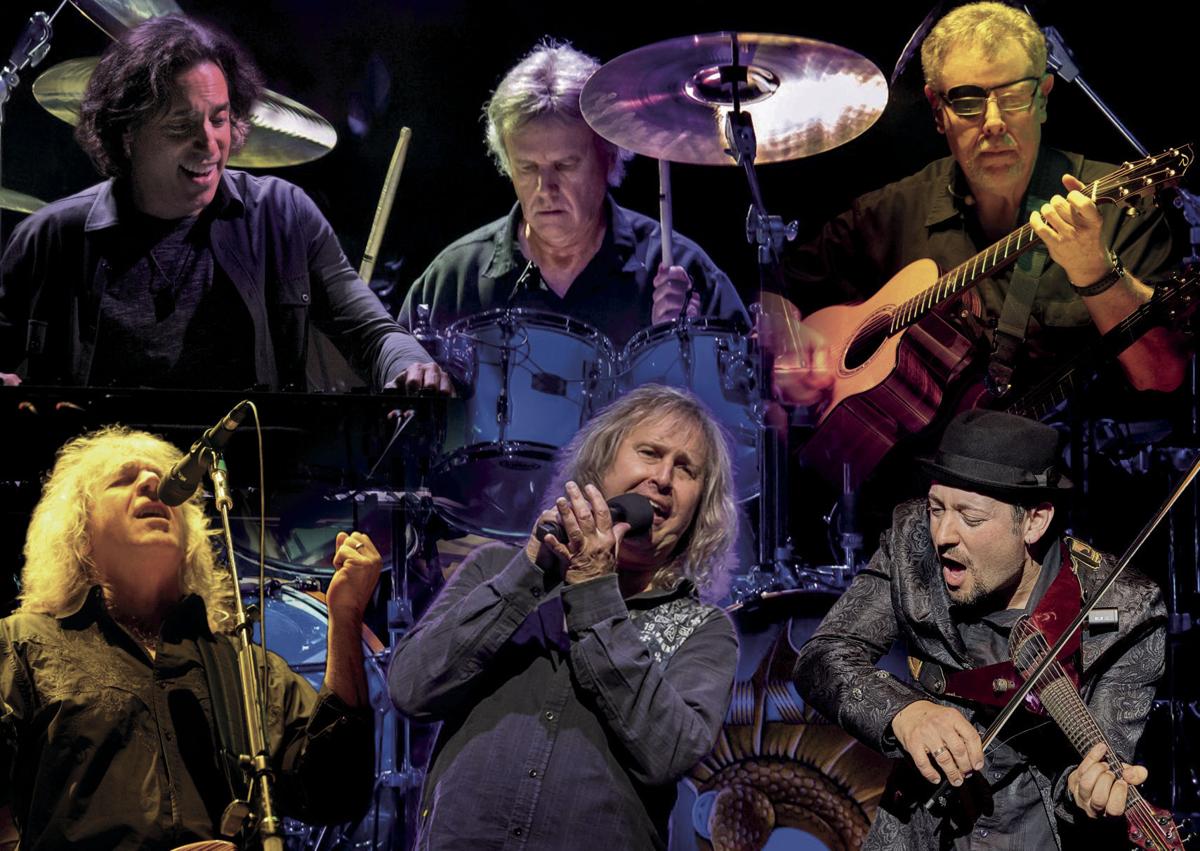
Their self-titled debut album in 1974 was modestly successful, peaking at 174 on the charts.
But Kansas wasn’t chasing quick hits; they were building a legacy.
Subsequent albums like *Song for America* and *Masque* solidified their cult following, though mainstream crossover remained elusive.
By 1976, relentless touring made Kansas a hot property as an opening act—so hot, in fact, that headliners dreaded following them.
But opening act status meant limited income and exposure, and the band faced mounting pressure from their label to deliver a hit single or risk losing support.
As they prepared their fourth album, *Leftoverture*, creative pressure mounted.
Steve Walsh, their lead vocalist and a key songwriter, hit a dry spell, leaving Kerry Livgren to shoulder most of the songwriting burden.
Amidst this pressure, Livgren composed an acoustic piece almost as an afterthought—“Carry On Wayward Son.”

Released in November 1976, “Carry On Wayward Son” became the anthem Kansas had long earned.
It peaked at number 11 on the Billboard Hot 100 and became a cultural phenomenon, validating the band’s blend of complexity and accessibility.
*Leftoverture* soared to number five on the Billboard 200 and went five times platinum, transforming Kansas from opening act to arena headliners.
The irony of “Carry On Wayward Son” was that it was deeply autobiographical: Livgren’s spiritual quest for truth and meaning amid the emptiness of fame.
But this spiritual journey would soon become the band’s undoing.
By 1977, Kansas released *Point of Know Return*, which peaked at number four and went quadruple platinum.
Yet, the relentless pace took its toll.
Exhaustion and expanding egos led to cracks in the brotherhood.
Steve Walsh admitted to briefly quitting during recording sessions, overwhelmed by the pressures.
Then came another iconic song: “Dust in the Wind.” A simple acoustic meditation on mortality, it became Kansas’s only top 10 hit, peaking at number six.
The song’s somber reflection on the fleeting nature of life introduced a bittersweet tone to their peak, as if foreshadowing the end of an era.

The spiritual awakening that fueled Livgren’s creativity soon collided with the rest of the band’s vision.
Livgren and bassist Dave Hope embraced Christianity, infusing their songwriting with overt religious themes.
Steve Walsh, a committed non-Christian, refused to sing songs he didn’t believe in.
In October 1981, the inevitable happened: Walsh quit abruptly, taking his material with him and shattering the creative partnership that had defined Kansas.
This wasn’t a betrayal but a fundamental clash—faith versus artistic freedom.
The remaining members recruited John Elefante as vocalist, releasing *Vinyl Confessions* in 1982.
Though it produced a top 20 hit, the overt Christian themes alienated many fans who had come for Kansas’s complex musicianship and philosophical lyrics.
By 1984, Livgren and Hope also departed, and Kansas temporarily dissolved.
Walsh pursued a more commercial sound with his new band Streets, ironically embracing the mainstream direction he had resisted with Kansas.
In 1986, founding members Phil Ehart and Rich Williams reformed Kansas, welcoming Walsh back.
To survive the MTV era, the band shed their progressive roots for polished hard rock and pop.
The album *Power* produced their last top 40 hit, “All I Wanted,” but critics noted their sound felt dated.

Subsequent albums failed to gain traction, and MCA dropped the band.
Guitar virtuoso Steve Morse left, signaling the end of Kansas’s classic era.
The analog heroes of the ‘70s struggled to navigate the sleek, digitized music world.
Despite commercial struggles and revolving lineups, Kansas never disappeared.
Throughout the ‘90s and beyond, they toured steadily, performing for devoted fans at casinos and fairs.
In 2000, the original lineup reunited for *Somewhere to Elsewhere*, rekindling the magic for a brief moment.
Though Walsh retired in 2014, Kansas continues today, anchored by Ehart and Williams with new musicians honoring the band’s original vision.
“Carry On Wayward Son” remains one of classic rock’s most played tracks, featured in TV shows and films, its acapella intro igniting audiences worldwide.
For generations raised on Kansas, their music symbolizes a time when musicianship mattered, ambition was rewarded, and ordinary kids from nowhere could become legends.
Kansas’s story is one of brilliance and heartbreak.
Their refusal to compromise created masterpieces but also sowed the seeds of division.
Brotherhood forged in poverty and perseverance cracked under the weight of spiritual conviction and commercial pressures.
Their legacy isn’t just their music—it’s a reminder that some fractures never fully heal.
The songs outlive the men who made them, echoing through time as testaments to dreams both realized and shattered.
News

The Song that Bob Dylan Wrote About Elvis Presley
Bob Dylan and Elvis Presley are two of the most legendary figures in American music history. One is known as…

Raul Malo, Lead Singer of The Mavericks, has died at age 60
The music world is mourning the loss of Raul Malo, the charismatic lead singer of The Mavericks, who passed away…

At 69, Steve Perry Confessed This Was the Song He Couldn’t Finish
Steve Perry’s voice is one of rock’s most iconic and enduring sounds. As the lead singer of Journey, he gave…

Top 6 SHOCKING Things Axl Rose Said About Other Rock Legends!
Axl Rose, the legendary frontman of Guns N’ Roses, is known not only for his iconic voice and music but…

‘You Had ONE Job!’ How Powerman 5000 FUMBLED a Platinum Future
Powerman 5000’s story is one of bold creativity, underground buzz, and a dramatic crossroads that nearly derailed their ascent to…

‘He Knew Last Show Would Kill Him’ Ozzy Osbourne’s Final Moments | Sharon Osbourne Interview
Ozzy Osbourne, the legendary rock icon, cultural pioneer, and beloved family man, gave his final performance knowing it might be…
End of content
No more pages to load






