
XTC might just be the best band you never saw live — or even heard of.
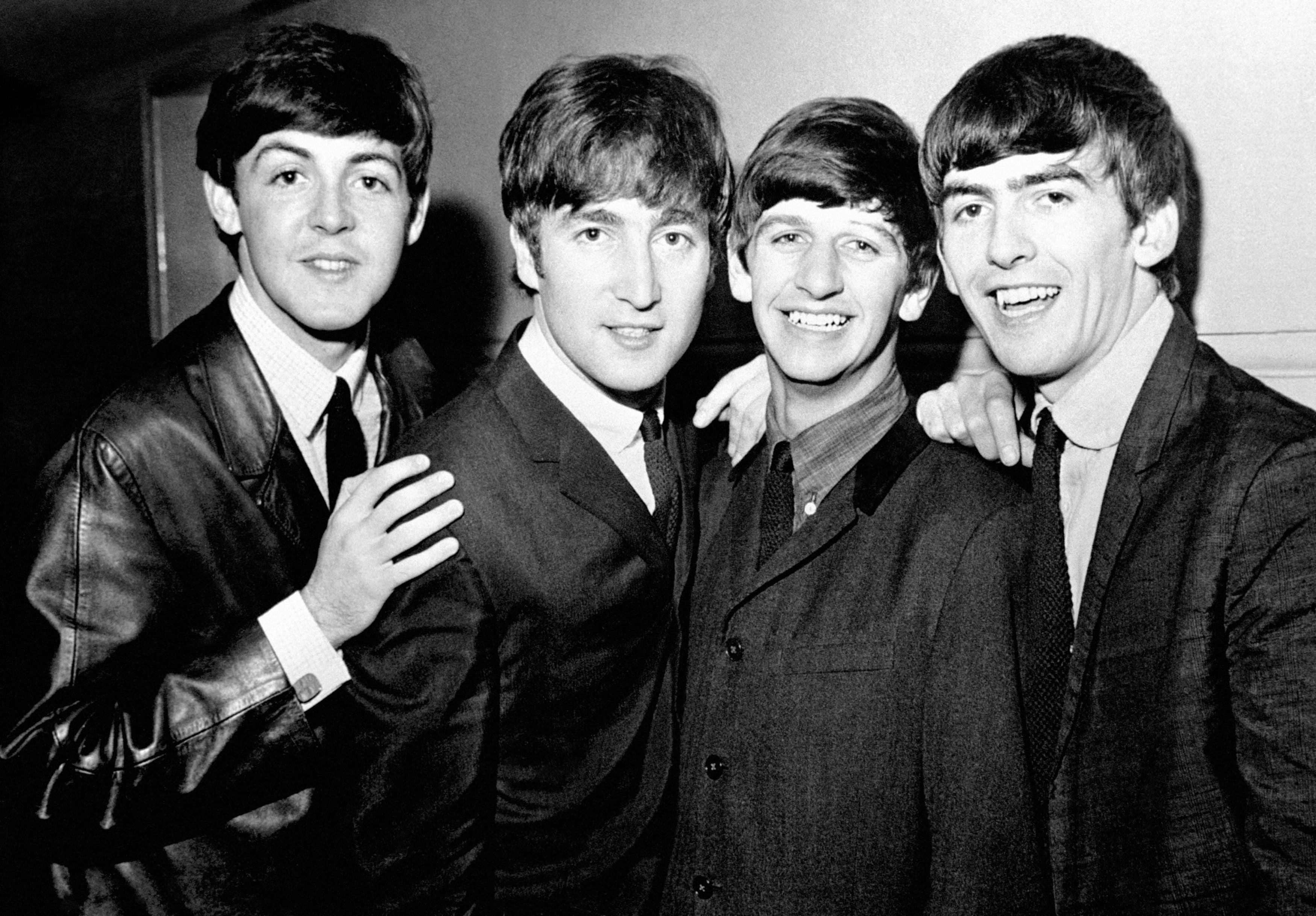
This criminally underrated, massively influential British group was all but buried by a perfect storm of bad luck, disastrous management, and crippling stage fright.
Their story is one of brilliance thwarted by circumstance, a tale of musical innovation and emotional struggle that deserves to be told.
XTC formed in the mid-1970s in Swindon, England, initially going through a few lineup changes before settling on the core trio of Andy Partridge, Colin Moulding, and drummer Terry Chambers.
Dave Gregory joined later, completing the classic lineup.
Unlike many of their contemporaries in the punk and new wave explosion, XTC carved out a sound that was uniquely theirs — clever, melodic, and a little too smart for its own good.
Their music was unpredictable, often veering into unexpected rhythms, odd harmonies, and sharp, witty lyrics that could make you laugh and think simultaneously.
Partridge, the primary songwriter, was largely self-taught, drawing inspiration from the Beatles, early psychedelia, and even comic book themes.
His experimental approach to studio work became a hallmark of the band’s sound, especially after they stopped touring.
Colin Moulding, with his knack for tuneful basslines and songwriting, provided a melodic counterbalance to Partridge’s edgier style.
Dave Gregory’s musical proficiency and arranging skills added depth and polish, making XTC a band of rare creative synergy.

XTC cut their teeth playing local pubs and small venues, catching the ear of influential BBC Radio 1 DJ John Peel.
Peel’s support helped them land a recording contract and early airplay.
Their debut single, “Science Friction,” released in 1977, showcased their restless energy and quirky hooks, setting them apart from the punk anger and synth-pop trends of the day.
Their first album, *White Music* (1978), was sharp and unpredictable, revealing a band still finding its footing but already smarter than most peers.
Their follow-up, *Go 2* (1979), showed more confidence and sophistication, hinting at the complex arrangements that would define their later work.
However, tensions were already simmering.
Keyboardist Barry Andrews, who contributed to the first two albums, clashed with Partridge and left the band in 1978, signaling early struggles between pop accessibility and experimental ambitions.
Despite growing momentum, XTC’s live career was plagued by problems.
Andy Partridge’s stage fright, exacerbated by a long history of Valium use prescribed from a young age due to family trauma, took a toll.
In 1982, during a televised gig in Paris, Partridge suffered a panic attack and was found backstage in a fetal position.
The band soon abandoned touring altogether.
This decision was terrifying but liberating for Partridge.
Freed from the pressures of live performance, he focused on writing and studio work, creating some of the band’s most ambitious music.
But the financial consequences were severe. Without touring income, and under poor management, XTC found themselves in deep debt.
Manager Ian Reid was accused of mismanaging the band’s finances, culminating in a massive unpaid VAT bill.
The band sued Reid, who countersued, dragging XTC into a legal quagmire that froze their royalties and advances.
Despite selling records and having a passionate fanbase, the band was effectively broke.
To survive, they relied on short-term loans from Virgin Records.
Partridge later revealed he had only about £300 in the bank during this period, despite the band’s commercial presence.
This financial limbo lasted a decade, casting a long shadow over their creative efforts.
In 1986, XTC entered the studio to record *Skylarking*, an album now regarded as their masterpiece.
Produced by Todd Rundgren, the sessions were famously fraught with tension.
Partridge and Rundgren clashed repeatedly, with heated arguments and threats flying, yet the resulting record was a triumph.
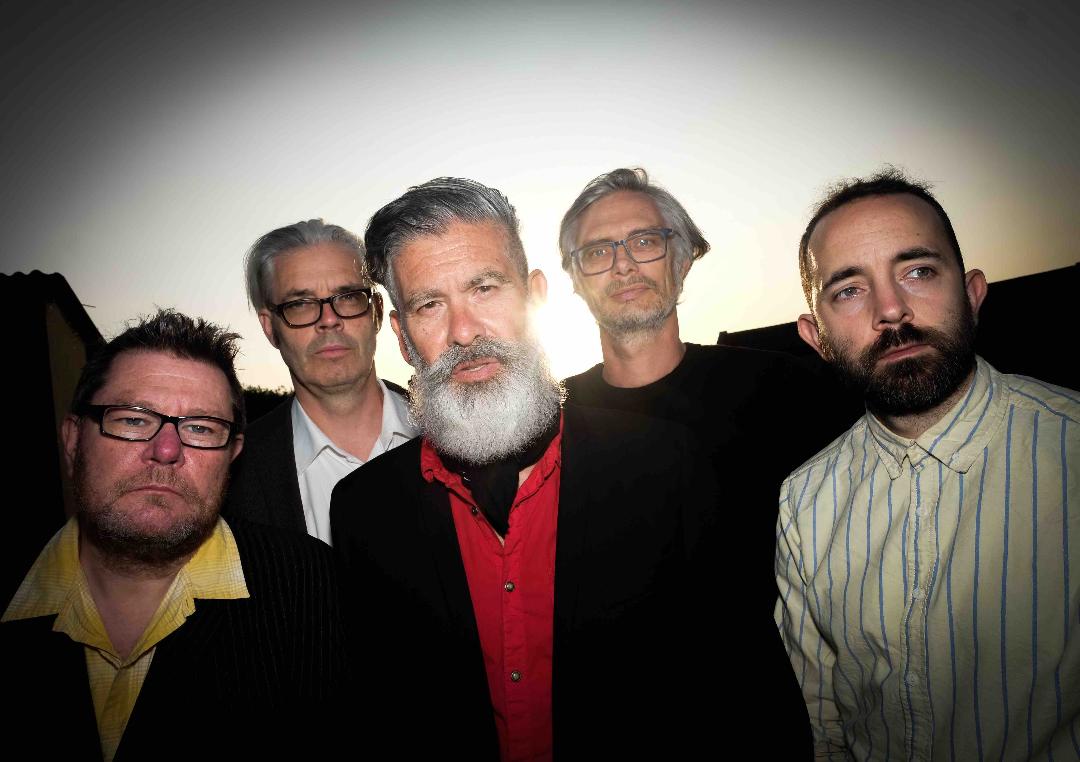
*Skylarking* is a loose concept album exploring cycles, time, life, and nature.
It blends warmth, whimsy, fragility, and reflection, showcasing XTC’s fully evolved sound.
Tracks like “Another Satellite” reveal the band’s ability to marry catchy melodies with complex storytelling.
The song narrates an obsession with Partridge by a wealthy American woman — a story that would take a twist when Partridge later married the same woman.
Though never massive chart-toppers, XTC’s influence quietly grew.
Their cleverness, emotional honesty, and willingness to experiment earned them admiration from musicians and fans alike.
They showed that great music could be made on one’s own terms, even in the face of adversity.
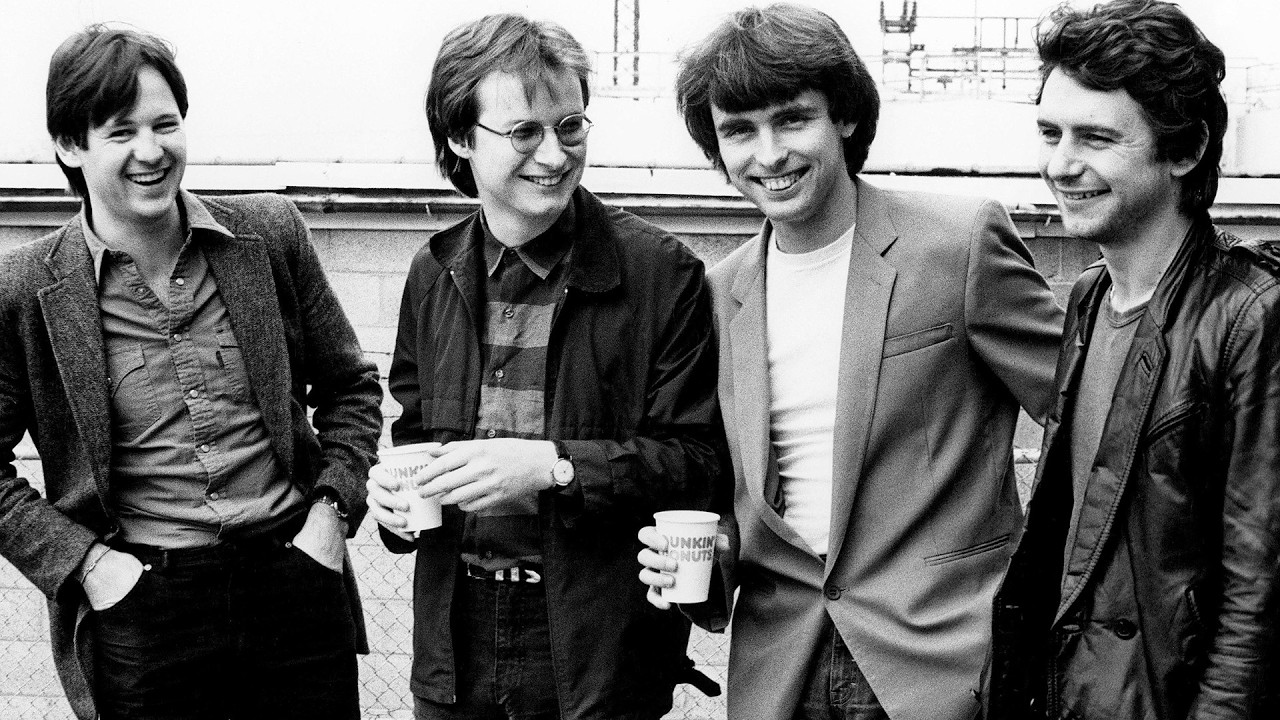
By the 1990s, disillusioned with the music industry, XTC continued recording but remained largely out of the mainstream spotlight.
The band officially split in 2006, but Partridge has spoken fondly of their journey, calling the band his “brothers.”
XTC’s story is a poignant reminder of the harsh realities behind the music industry’s glamour.
Brilliant musicianship, innovation, and wit were not enough to overcome stage fright, management disasters, and financial ruin.
Yet, their enduring songs continue to resonate, proving that true artistry can survive even the darkest setbacks.
News
The Song that Bob Dylan Wrote About Elvis Presley
Bob Dylan and Elvis Presley are two of the most legendary figures in American music history. One is known as…

Raul Malo, Lead Singer of The Mavericks, has died at age 60
The music world is mourning the loss of Raul Malo, the charismatic lead singer of The Mavericks, who passed away…
At 69, Steve Perry Confessed This Was the Song He Couldn’t Finish
Steve Perry’s voice is one of rock’s most iconic and enduring sounds. As the lead singer of Journey, he gave…
Top 6 SHOCKING Things Axl Rose Said About Other Rock Legends!
Axl Rose, the legendary frontman of Guns N’ Roses, is known not only for his iconic voice and music but…

‘You Had ONE Job!’ How Powerman 5000 FUMBLED a Platinum Future
Powerman 5000’s story is one of bold creativity, underground buzz, and a dramatic crossroads that nearly derailed their ascent to…

‘He Knew Last Show Would Kill Him’ Ozzy Osbourne’s Final Moments | Sharon Osbourne Interview
Ozzy Osbourne, the legendary rock icon, cultural pioneer, and beloved family man, gave his final performance knowing it might be…
End of content
No more pages to load






