
In the whirlwind of Beatlemania, John Lennon was the enigmatic heart of the world’s most famous band.
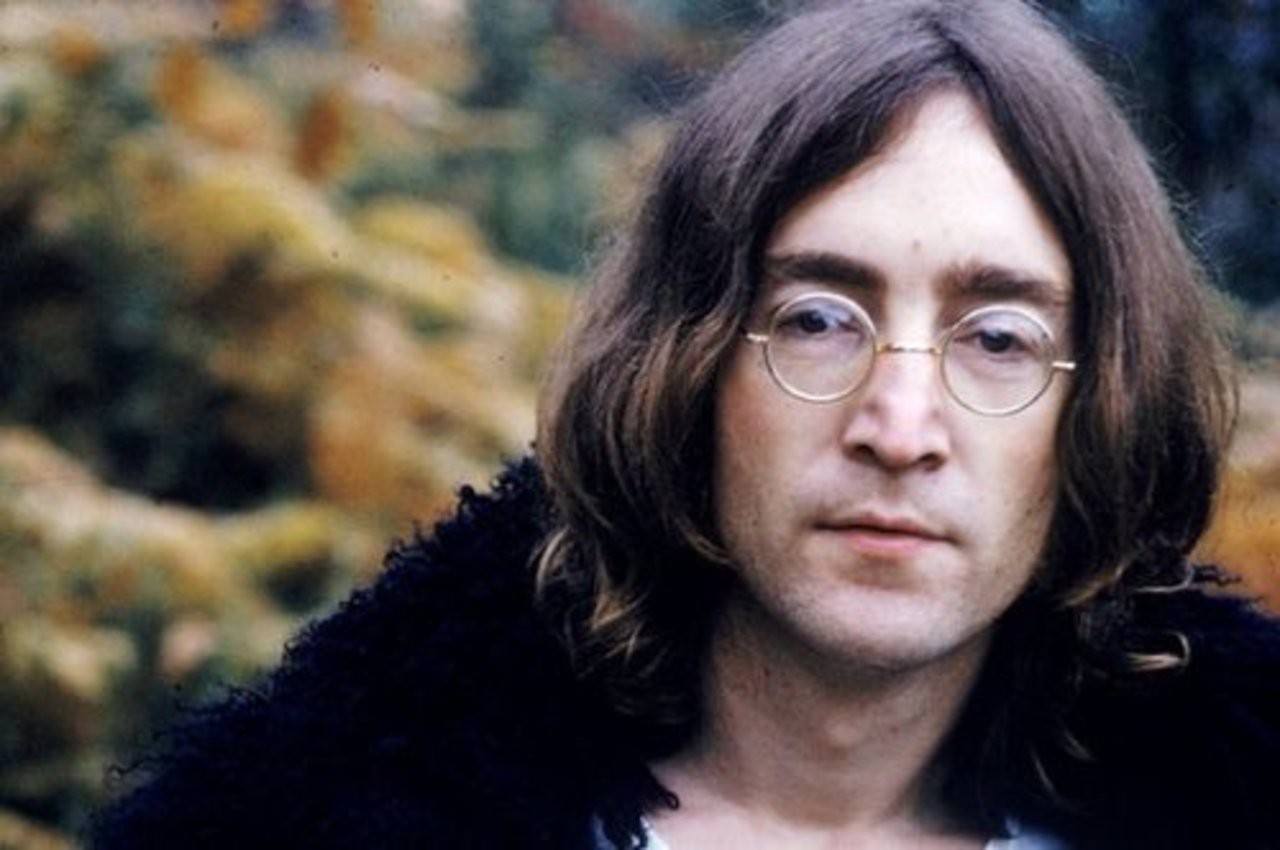
Yet beneath the screaming fans and chart-topping hits lay a man wrestling with inner demons, childhood trauma, and a desperate search for meaning.
The story of Lennon’s LSD years is a haunting tale of transformation, creativity, and ultimately, tragedy — a psychedelic odyssey that forever altered the course of music history and his own fragile soul.
John Lennon’s songwriting had always carried a raw emotional edge, but it was on the 1964 album *Beatles for Sale* that he first peeled back the curtain on his troubled inner world.
His song “I’m a Loser” was a stark departure from the band’s usual love songs — a cry for help masked by clever lyrics.
Paul McCartney later described it as Lennon’s attempt to reveal his struggles beneath the public persona.
By 1965, Lennon’s sense of independence was slipping away under the crushing weight of fame.
The recording of *Help!* reflected this turmoil, with Lennon openly admitting to “troughs” of depression that the Beatles’ image only barely concealed.
It was during this turbulent time that fate intervened.

In the spring of 1965, John Lennon and George Harrison attended a dinner party where they were unknowingly given LSD-laced coffee.
Neither knew what the drug was or what to expect.
The experience was surreal — one moment feeling normal, the next plunging into a chaotic, mind-bending trip.
Their night ended at a London nightclub, where the effects of the acid made reality twist and warp.
Lennon later called the experience both terrifying and fantastic.
It was a “before and after” moment that opened his eyes to new creative possibilities and altered his worldview forever.
As the Beatles released *Rubber Soul* later that year, the psychedelic influence was unmistakable — mature lyrics, inventive studio techniques, and a shift from simple pop to a cohesive artistic statement.
For Lennon, LSD unlocked a new confidence to explore his own life in his music.
Songs like “Nowhere Man” moved away from love themes to introspective reflections on identity and existence.
His songwriting became a vehicle for self-examination, fueled by his psychedelic experiences.

Yet beneath the creativity was a man still haunted by childhood wounds. Born in 1940, Lennon’s early years were marked by loss and instability.
His father was absent, and his mother Julia, who had been his biggest supporter, was tragically killed in a car accident when he was just 17.
Raised by his strict aunt Mimi, Lennon’s emotional scars ran deep, and his music became a way to reconnect with his lost mother and cope with his pain.
By 1966, the relentless Beatles schedule was taking its toll. Exhausted, the band took their first extended break in years.
During this time, each member explored new directions: Paul McCartney embraced the London avant-garde scene and tried LSD for the first time; George Harrison delved into Eastern spirituality and Indian music; Ringo Starr focused on family life; and Lennon plunged deeper into LSD use.
This period saw Lennon’s personality shift dramatically. While his creativity flourished, he also developed a reputation for laziness and detachment.
His heavy LSD use blurred the lines between genius and self-destruction, leaving him caught between soaring artistic heights and crippling depression.
Returning to the studio in 1966, the Beatles embraced a new sound that pushed the boundaries of popular music.
Under the guidance of producer George Martin and young engineer Jeff Emmerson, they experimented with tape loops, unusual instruments like the tambura, and innovative vocal effects.
Lennon’s vision for the song “Tomorrow Never Knows” exemplified this psychedelic leap.
He wanted his voice to sound like the Dalai Lama chanting from a mountaintop, a sound achieved through creative use of a Leslie speaker.
The resulting track was a hypnotic, otherworldly masterpiece that signaled the Beatles’ full immersion into psychedelic music.
Other Lennon compositions on *Revolver* — “She Said She Said,” “I’m Only Sleeping,” and “Dr. Robert” — continued to explore psychedelic themes and personal experiences.
Yet the recording sessions were not without tension; famously, Paul McCartney walked out during “Tomorrow Never Knows,” marking one of the few Beatles songs without his participation.
Despite the artistic breakthroughs, the LSD years brought mounting problems.
Lennon’s ego dissolved, and his motivation waned.
He described feeling like “nothing,” letting others take control while he drifted into apathy.

The Beatles’ public controversies — including Lennon’s “more popular than Jesus” comment and a dangerous incident in the Philippines — hastened their retirement from touring in 1966.
Freed from the demands of live performance, they pursued individual interests, but the cracks in the band’s unity widened.
Lennon’s LSD use intensified, exacerbating his mood swings and detachment.
While he found inspiration in writers like Timothy Leary, who preached dropping out of societal games, Lennon struggled to reconcile his creative genius with his personal demons.
In 1967, Lennon was introduced to avant-garde artist Yoko Ono at the Indica Gallery in London.
Their initial meeting was marked by playful interactions, but Ono’s understanding of Lennon’s complex psyche soon deepened their connection.
Though both were married to others at the time, their relationship grew, offering Lennon a new source of hope and stability beyond the fleeting highs of drugs and fame.
Ono’s influence helped Lennon confront his past trauma and seek a more grounded path.
By 1968, Lennon had stopped using LSD, recognizing its destructive hold on him.
That year, he and the other Beatles traveled to India to study meditation and write new songs, reconnecting with the simplicity of their early days.
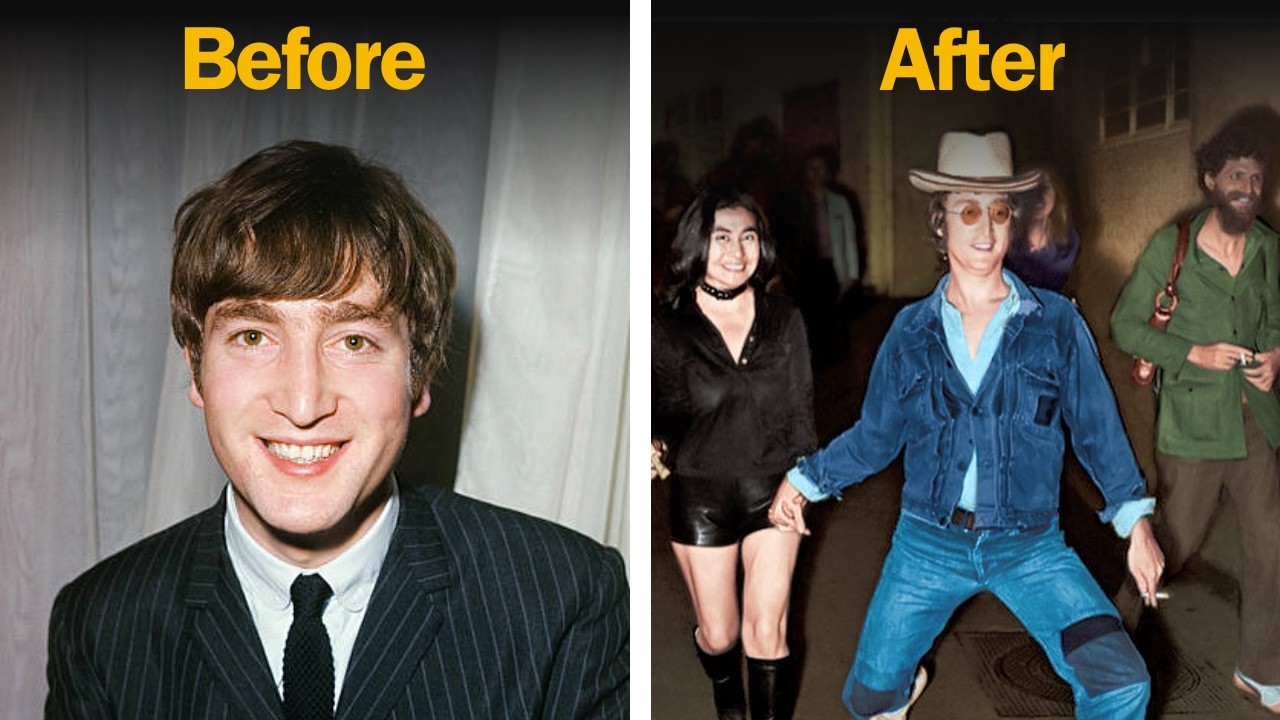
The resulting *White Album* showcased Lennon’s evolving artistry, including the deeply personal “Julia,” a heartfelt tribute to his mother.
This period marked a turning point, with Lennon embracing love and hope as central themes in his life and music.
John Lennon’s LSD years were a crucible of creativity and chaos.
They transformed the Beatles from pop idols into pioneers of psychedelic and experimental music, leaving an indelible mark on the cultural landscape.
Yet beneath the innovation lay a tragic struggle — a man torn between genius and despair, seeking solace in drugs to fill the void left by loss and loneliness.
His journey reminds us that even the brightest stars can be shadowed by darkness, and that true healing often comes from love, not escapism.
News
The Song that Bob Dylan Wrote About Elvis Presley
Bob Dylan and Elvis Presley are two of the most legendary figures in American music history. One is known as…

Raul Malo, Lead Singer of The Mavericks, has died at age 60
The music world is mourning the loss of Raul Malo, the charismatic lead singer of The Mavericks, who passed away…
At 69, Steve Perry Confessed This Was the Song He Couldn’t Finish
Steve Perry’s voice is one of rock’s most iconic and enduring sounds. As the lead singer of Journey, he gave…
Top 6 SHOCKING Things Axl Rose Said About Other Rock Legends!
Axl Rose, the legendary frontman of Guns N’ Roses, is known not only for his iconic voice and music but…
‘You Had ONE Job!’ How Powerman 5000 FUMBLED a Platinum Future
Powerman 5000’s story is one of bold creativity, underground buzz, and a dramatic crossroads that nearly derailed their ascent to…
‘He Knew Last Show Would Kill Him’ Ozzy Osbourne’s Final Moments | Sharon Osbourne Interview
Ozzy Osbourne, the legendary rock icon, cultural pioneer, and beloved family man, gave his final performance knowing it might be…
End of content
No more pages to load






