
Iron Maiden, the legendary British heavy metal band, has once again shattered records, and their story of success is nothing short of extraordinary.
According to the latest data from Pollstar, the authoritative organization tracking concert attendance and revenue worldwide since the 1980s, Iron Maiden ranks as the eighth highest-grossing touring act post-1980, generating over $1.5 billion in ticket sales from more than 900 concerts.

This achievement places them ahead of iconic artists like Bon Jovi, U2, and Elton John when considering touring revenue since 1980.
But what truly sets Iron Maiden apart is not just the staggering numbers—it’s the unique, fan-centric approach and unwavering consistency that have fueled their rise and sustained their legacy over five decades.
Unlike many of their contemporaries, Iron Maiden’s success story is rooted in accessibility.
Up until 2025, the band maintained significantly lower average ticket prices compared to other top-grossing acts.
This strategy allowed them to consistently fill venues worldwide, from intimate arenas to colossal stadiums, across multiple generations of fans.
For instance, their 2008-2009 “Some Were Back In Time” World Tour attracted over two million fans across 90 shows, while the 2016-2017 “Book of Souls” World Tour drew nearly two million attendees over 117 shows.
Even their 2023-2024 “Future Past” Tour, tailored primarily for diehard fans, packed stadiums with tens of thousands of fans night after night.
The momentum continued into 2025 with the “Run For Your Lives” Tour, featuring performances at major venues such as London Stadium and Paris La Defense Arena, with a scheduled appearance at Nebworth Park.
Conservatively, over 20 to 25 million fans have witnessed Iron Maiden live since 1980—a feat few bands can claim, especially without heavy reliance on mainstream media support.

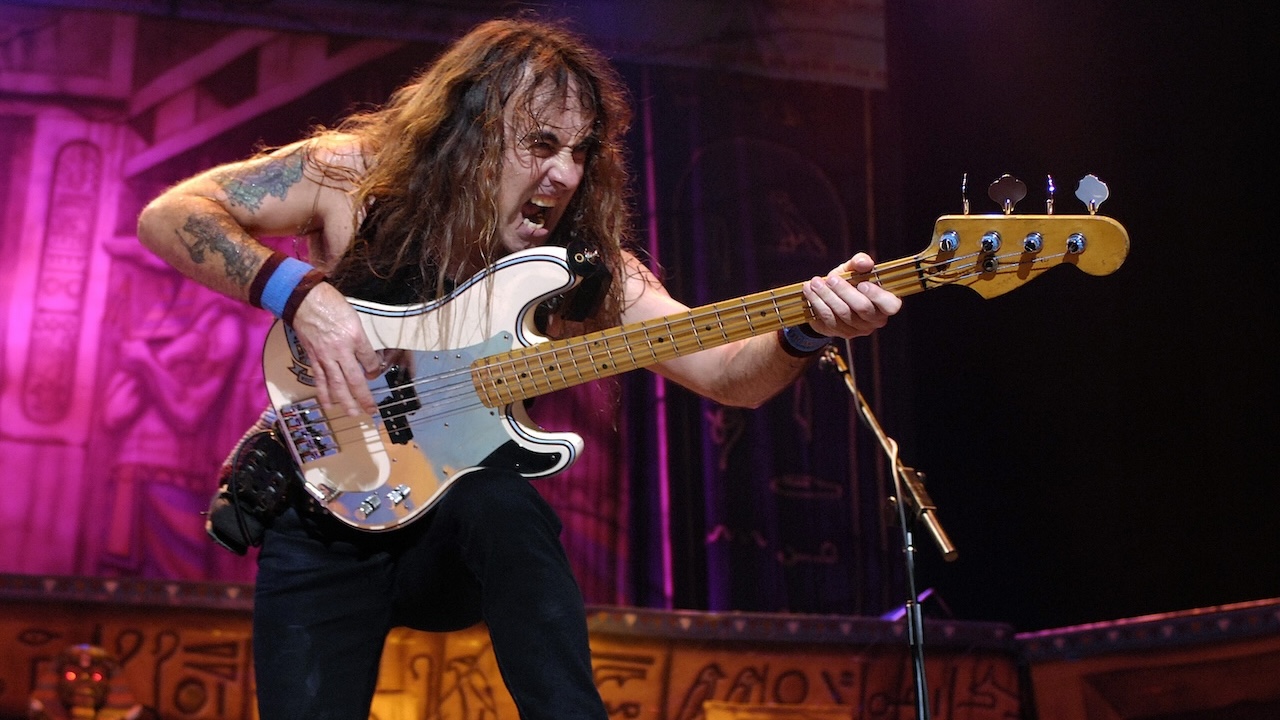
The foundation of Iron Maiden’s enduring success lies in the synergy between Steve Harris, the band’s bassist and primary composer, and Rod Smallwood, their long-time manager.
Harris’s musical genius and relentless creativity have kept the band’s sound fresh and compelling for 50 years.
However, it is Smallwood’s strategic management that has been instrumental in transforming Iron Maiden from a popular heavy metal band into a global touring powerhouse.
Since taking over management in the late 1970s, Smallwood built a self-contained operation that operates independently of the conventional music industry machinery.
His vision was simple but powerful, rooted in three key principles:
– **Consistency:** Iron Maiden would remain true to their identity regardless of changing trends.
– **Fan-first Touring:** Every tour was designed to be an event, not just a stop on a schedule.
– **Complete Control:** From merchandising to production and logistics, all aspects were managed in-house through their Sanctuary and Phantom Music Management entities.
This approach enabled Iron Maiden to build a global brand by creating massive demand through touring, rather than relying on radio hits or awards.
Their commitment to delivering consistently powerful live shows turned casual listeners into lifelong devotees.

Iron Maiden’s investment in top-tier production has been a hallmark of their tours, even when the immediate financial payoff was uncertain.
They adopted a long-term perspective by investing in reusable stage hardware and production elements that could be amortized over multiple tours spanning several years.
This strategy not only enhanced the fan experience but also optimized costs over time.
While the 1980s are often hailed as the golden era of heavy metal and Iron Maiden’s early dominance, the band’s financial and touring success has actually grown exponentially in the 21st century.
During the 1980s, Iron Maiden was already a dominant live act, packing arenas and amphitheaters with average attendances around 18,000 per show during tours like the “World Slavery Tour.”
However, ticket prices were lower, and gross revenues, while impressive, did not match modern figures.
Post-2000, Iron Maiden evolved into a stadium-level powerhouse.
Tours such as “Legacy of the Beast” and “Run For Your Lives” regularly attract crowds ranging from 20,000 to 50,000 per night, with individual shows grossing between $2 million and $5 million.
Between 2018 and 2022 alone, the band grossed nearly $169 million across 122 shows, solidifying their status as one of the most formidable touring acts in the world.
Iron Maiden’s sustained success underscores a broader trend: heavy metal remains a vibrant and growing force in the global music scene.
Contrary to the perception that metal’s heyday was decades ago, the genre is experiencing a resurgence, fueled by passionate fans and bands like Iron Maiden who continue to innovate while honoring their roots.
What truly distinguishes Iron Maiden is their unparalleled relationship with their fans.
From the outset, the band has cultivated a direct and authentic bond with their audience.
Whether protesting live TV lip-syncing demands or engaging fans through immersive tours, Iron Maiden has always prioritized delivering a world-class experience.
This fan-first mentality has transformed Iron Maiden from a mere band into a thriving community.
Fans don’t just attend shows—they travel across continents, forge lifelong friendships, and pass their passion down through generations.
The band’s commitment to accessibility, fairness in ticket pricing, and opposition to exploitative dynamic pricing practices have fostered loyalty and trust.
Iron Maiden’s dedication to keeping ticket prices reasonable has been a cornerstone of their success.
While premium tiers exist, regular ticket prices remain among the fairest in stadium-level rock.
The band actively combats dynamic pricing and strives to maintain direct supply paths between themselves and their fans, ensuring affordability and reducing scalping.
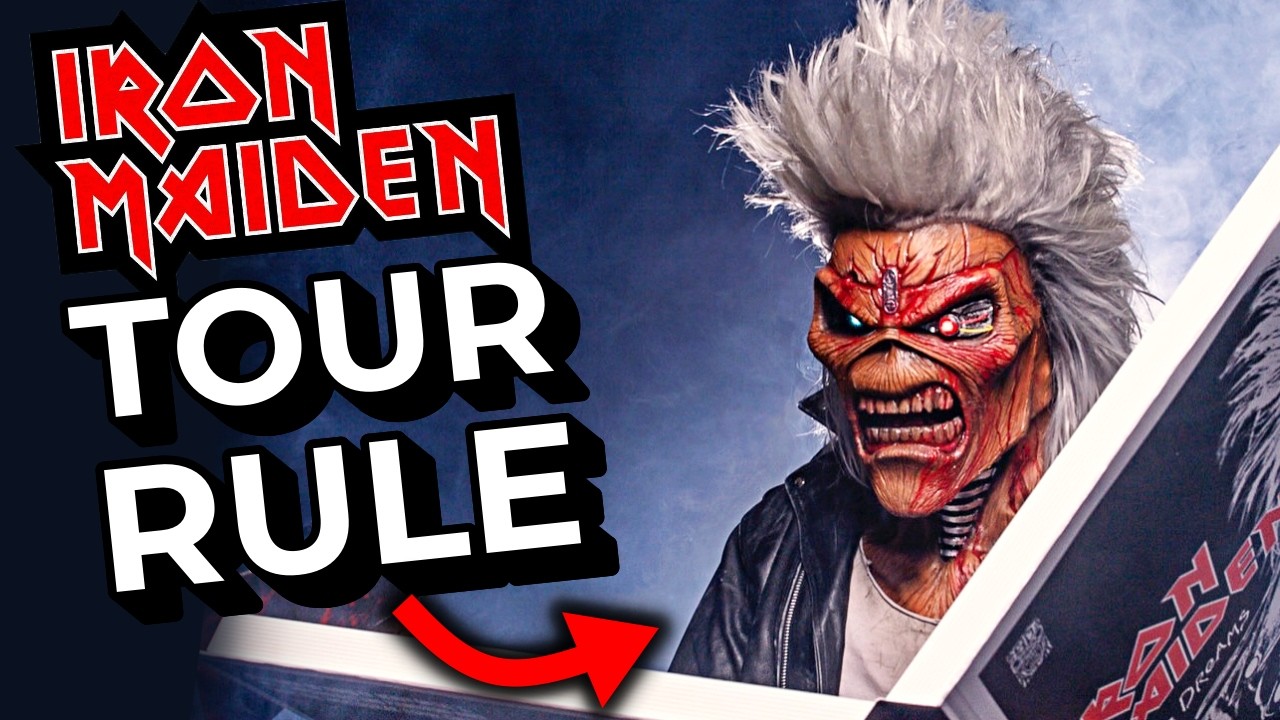
This approach has been consistent from the band’s inception in 1975 through 2025, reinforcing their reputation as a band that values their fans above all else.
As Iron Maiden continues to tour and release music, the hope among fans and industry observers alike is that the band maintains their fan-first philosophy.
Their empire, built on decades of consistency, innovation, and genuine connection, stands as a testament to what can be achieved when artists prioritize their audience and control their destiny.
In a music industry often dominated by fleeting trends and commercial pressures, Iron Maiden’s story is a beacon of authenticity and perseverance.
Their success is not just about numbers—it’s about the enduring power of music to unite, inspire, and create a legacy that transcends generations.
News

The Song that Bob Dylan Wrote About Elvis Presley
Bob Dylan and Elvis Presley are two of the most legendary figures in American music history. One is known as…

Raul Malo, Lead Singer of The Mavericks, has died at age 60
The music world is mourning the loss of Raul Malo, the charismatic lead singer of The Mavericks, who passed away…

At 69, Steve Perry Confessed This Was the Song He Couldn’t Finish
Steve Perry’s voice is one of rock’s most iconic and enduring sounds. As the lead singer of Journey, he gave…
Top 6 SHOCKING Things Axl Rose Said About Other Rock Legends!
Axl Rose, the legendary frontman of Guns N’ Roses, is known not only for his iconic voice and music but…

‘You Had ONE Job!’ How Powerman 5000 FUMBLED a Platinum Future
Powerman 5000’s story is one of bold creativity, underground buzz, and a dramatic crossroads that nearly derailed their ascent to…

‘He Knew Last Show Would Kill Him’ Ozzy Osbourne’s Final Moments | Sharon Osbourne Interview
Ozzy Osbourne, the legendary rock icon, cultural pioneer, and beloved family man, gave his final performance knowing it might be…
End of content
No more pages to load






