
For decades, Cheap Trick’s 1978 live album *Live at Budokan* has been celebrated as one of the greatest live rock albums ever made, catapulting the band from cult favorites to international superstars.
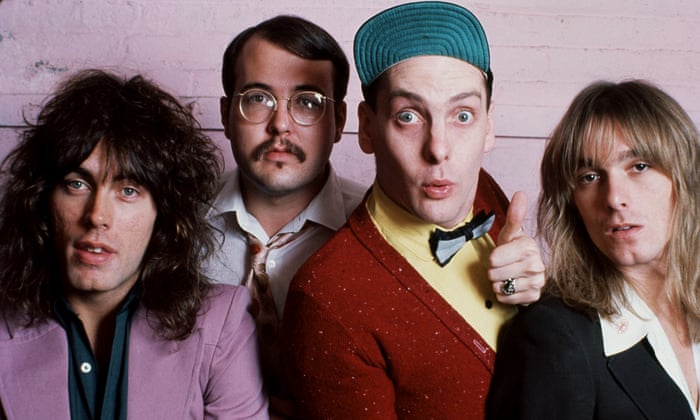
The album’s raw energy, iconic performances of hits like “I Want You to Want Me” and “Surrender,” and the legendary status of the Nippon Budokan venue in Tokyo all contributed to its mystique and success.
But as it turns out, the story behind the album’s recording is far more complicated — and a little deceptive — than most fans ever realized.
The myth that *Live at Budokan* was recorded entirely at the famous Budokan arena in Tokyo has been part of rock folklore for decades.
However, producer Jack Douglas recently revealed in an interview with Billy Corgan’s podcast *The Magnificent Others* that the majority of the album was actually recorded elsewhere — not at Budokan at all.
Douglas explained that during Cheap Trick’s 1978 Japan tour, multiple shows were recorded to capture the best possible performances for the live album.
This is a common practice, as live recordings can be unpredictable and sometimes plagued by technical issues or off nights.
The band and engineers always plan to cherry-pick the best takes from different concerts to create a flawless final product.
But when Douglas and mixing engineer Jay Messina first listened to the raw audio from the Budokan show, they were stunned — the sound quality was terrible.
The microphones were poorly placed, the drums were barely audible, and the bass drum was almost nonexistent.
It was unusable as the backbone for the album.

Thankfully, the recordings from a concert in Osaka sounded much better — tighter performance, clearer sound, and all the energy fans expected.
This Osaka show became the foundation of *Live at Budokan*, with the Budokan recording contributing very little.
Despite the setback, Douglas was determined to craft the tightest, most brilliant live album possible.
The team painstakingly mixed and matched audio from Osaka with footage and visuals from Budokan to maintain the illusion of a single iconic concert.
For the 30th anniversary reissue, they even synced close-up footage from Budokan with wide shots from Osaka, creating a seamless experience for fans.
Douglas laughed about this “labor of love,” acknowledging the lengths they went to preserve the album’s magic.
And magic it was — *Live at Budokan* sold over three million copies, turned Cheap Trick into rock royalty, and remains a beloved classic in the history of live rock recordings.
Before the album’s release, Cheap Trick was struggling to break into the mainstream, especially in the United States, despite strong studio albums.
However, in Japan, the band was already treated like rock royalty.
The live album captured the electricity of their Japanese shows and introduced their infectious energy to the rest of the world.

Songs like “I Want You to Want Me” transformed from overlooked studio tracks into massive pop hits, becoming Cheap Trick’s first top 10 single in the U.S.
The album’s release coincided with a competitive music landscape in 1978, with powerhouse albums from Boston, Van Halen, and Dolly Parton dominating charts.
Yet *Live at Budokan* carved out its own legendary status, proving that a live album could launch a band into the stratosphere.
Jack Douglas, who supervised the mixing of the album, brought a wealth of experience to the project.
Known for his work with iconic artists such as John Lennon, Yoko Ono, Aerosmith, Patti Smith, and The Who, Douglas had a keen ear for capturing the essence of a live performance.
His involvement gave Cheap Trick’s live album a polish and professionalism that helped it stand the test of time.
Douglas’s candid revelations about the recording process offer fans a rare glimpse behind the curtain of one of rock’s most enduring live records.
While some fans might feel deceived to learn that *Live at Budokan* was mostly recorded in Osaka, the truth is that the album’s power and influence remain undiminished.
The performances are electrifying, the crowd’s energy palpable, and the songs timeless.

Douglas himself acknowledges that “you’ve got to like an album you can feel,” and this album certainly delivers that visceral experience.
The mix of Budokan’s iconic footage with Osaka’s superior sound created a unique hybrid that captured the spirit of Cheap Trick’s live show better than any single concert could.
*Live at Budokan* stands as a milestone in rock history — an album that not only saved Cheap Trick’s career but also set a new standard for live recordings.
It demonstrated how a live album could ignite a band’s popularity and bring their music to new audiences worldwide.
The album’s story — from technical mishaps to creative problem-solving — also highlights the challenges of capturing the magic of live performance.
It reminds us that sometimes, the greatest moments in music history are the result of behind-the-scenes ingenuity and a bit of rock ‘n’ roll smoke and mirrors.
Cheap Trick’s *Live at Budokan* may not have been recorded entirely at the legendary Budokan arena, but it remains one of the greatest live albums of all time.
Thanks to the dedication of producer Jack Douglas and mixing engineer Jay Messina, the album’s sound and energy have transcended the technical difficulties of the original recordings.
For fans old and new, the album is a testament to Cheap Trick’s undeniable talent and the timeless appeal of their live performances.
Whether you call it *Live at Budokan* or *Live in Osaka*, it’s a record that rocks as hard today as it did in 1978 — and that’s the real truth behind the legend.
News
The Song that Bob Dylan Wrote About Elvis Presley
Bob Dylan and Elvis Presley are two of the most legendary figures in American music history. One is known as…

Raul Malo, Lead Singer of The Mavericks, has died at age 60
The music world is mourning the loss of Raul Malo, the charismatic lead singer of The Mavericks, who passed away…
At 69, Steve Perry Confessed This Was the Song He Couldn’t Finish
Steve Perry’s voice is one of rock’s most iconic and enduring sounds. As the lead singer of Journey, he gave…
Top 6 SHOCKING Things Axl Rose Said About Other Rock Legends!
Axl Rose, the legendary frontman of Guns N’ Roses, is known not only for his iconic voice and music but…
‘You Had ONE Job!’ How Powerman 5000 FUMBLED a Platinum Future
Powerman 5000’s story is one of bold creativity, underground buzz, and a dramatic crossroads that nearly derailed their ascent to…
‘He Knew Last Show Would Kill Him’ Ozzy Osbourne’s Final Moments | Sharon Osbourne Interview
Ozzy Osbourne, the legendary rock icon, cultural pioneer, and beloved family man, gave his final performance knowing it might be…
End of content
No more pages to load






