
It’s easy to picture the Eagles as the quintessential California rock band—sun-kissed, laid-back musicians weaving smooth harmonies that paint idyllic pictures of life in the fast lane.
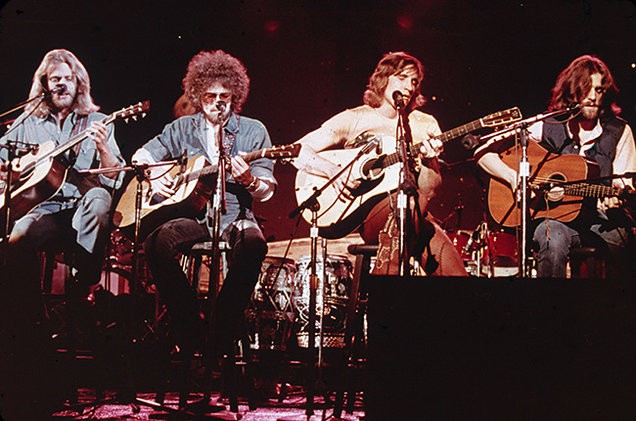
But peel back the glossy veneer, and you uncover a saga far messier and more volatile than their melodies suggest.
The Eagles’ story is not just one of musical brilliance but a rollercoaster of egos clashing, friendships fracturing, and band members walking out amid battles for control and creative dominance.
At the heart of the Eagles’ internal drama were Glenn Frey and Don Henley, the band’s alpha leaders whose partnership was a mix of camaraderie and co-dependency.
Frey, the self-proclaimed “guiding architect,” ruled with an iron fist, famously declaring, “This is not a democracy, and I’m the leader.” Henley, quieter but equally controlling, was his perfect foil.
Together, they shaped the band’s sound and direction but also alienated almost everyone else in the process.
This power dynamic set the stage for a series of dramatic exits, as other members found themselves squeezed out or pushed to their limits.
Bernie Leadon, the original guitarist and country music aficionado, was the first to crack under the pressure.
His vision of the Eagles was rooted in authenticity and rootsy charm, a contrast to Frey’s ambition for arena rock domination.
The tension simmered until one legendary moment when Leadon, fed up with Frey’s relentless strategizing and rehearsing, poured a beer over Frey’s head and told him to “chill out.”
The gesture was both hilarious and tragic, symbolizing the irreconcilable differences within the band.
Leadon’s departure marked the beginning of a revolving door of Eagles members, each exit steeped in conflict.
Randy Meisner, the soft-spoken bassist with a soaring falsetto, was a founding member whose voice became iconic in hits like *Take It to the Limit*.
Yet, behind the scenes, he was overshadowed by Frey and Henley’s larger-than-life personalities.
Meisner’s reluctance to take the spotlight clashed with the band’s growing demands, especially the terrifying climactic high note in *Take It to the Limit* that became a showstopper but a personal nightmare for him.
During the *Hotel California* tour in 1977, Meisner’s exhaustion led him to refuse performing the song, sparking a backstage confrontation with Frey, who reportedly told him, “If you’re not up for it, you shouldn’t be here.” The ultimatum was clear: it was Frey’s way or the highway.
Soon after, Meisner left, leaving behind a legacy of bittersweet melodies and a cautionary tale of rock stardom’s pressures.
Don Felder joined the Eagles in 1974 and quickly became a vital part of their sound, contributing to classics like the title track *Hotel California*.
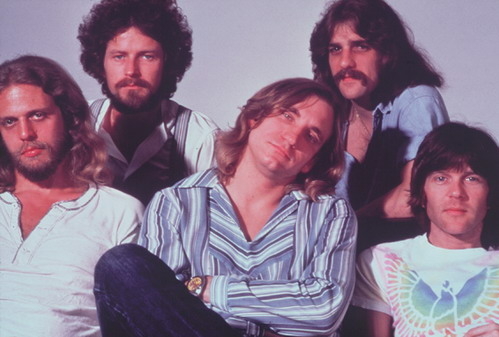
But his tenure was marked by a bitter power struggle with Frey and Henley.
One infamous incident saw Felder’s vocal tracks replaced by Henley’s during the recording of *Victim of Love*, blindsiding Felder and deepening resentment.
The tension exploded publicly during a benefit concert for Senator Alan Cranston, where Felder sarcastically muttered “You’re welcome, Senator… I guess,” provoking a furious Frey.
Their onstage smiles masked simmering hatred, and backstage fights followed.
By 1980, the band dissolved amid this smouldering animosity.
The Eagles’ 1980 breakup was as dramatic as their music was polished—a fitting end for a band defined by contradiction.
Yet, like a phoenix, the Eagles rose again in 1994 for the *Hell Freezes Over* tour.
Even then, old wounds reopened.
Felder rejoined but soon clashed again with Frey and Henley over money and control, culminating in his 2001 firing after legal battles.
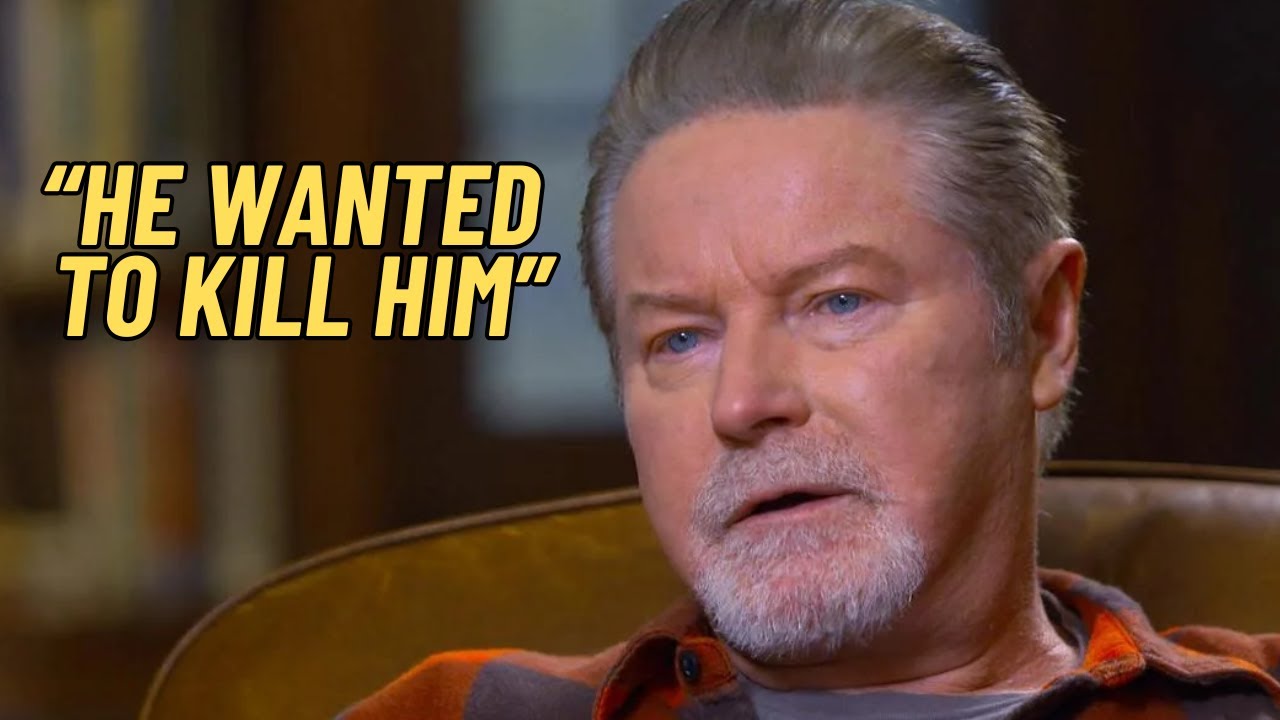
Frey’s death in 2016 seemed to close a chapter, but the band soldiered on with Frey’s son Deacon stepping in, keeping the legacy alive but reminding fans of the band’s unresolved tensions.
The Eagles’ story is a masterclass in how creative genius and personal dysfunction can coexist uneasily.
Their music continues to resonate worldwide, but the price was high: friendships broken, egos bruised, and a revolving door of band members.
Behind those sun-dappled harmonies lay a saga of ambition, betrayal, and the relentless pursuit of success.
For all their infighting and drama, the Eagles left a body of work that is unforgettable—a testament to the complex, often painful, but undeniably brilliant nature of rock ‘n’ roll.
News
The Song that Bob Dylan Wrote About Elvis Presley
Bob Dylan and Elvis Presley are two of the most legendary figures in American music history. One is known as…
Raul Malo, Lead Singer of The Mavericks, has died at age 60
The music world is mourning the loss of Raul Malo, the charismatic lead singer of The Mavericks, who passed away…
At 69, Steve Perry Confessed This Was the Song He Couldn’t Finish
Steve Perry’s voice is one of rock’s most iconic and enduring sounds. As the lead singer of Journey, he gave…
Top 6 SHOCKING Things Axl Rose Said About Other Rock Legends!
Axl Rose, the legendary frontman of Guns N’ Roses, is known not only for his iconic voice and music but…
‘You Had ONE Job!’ How Powerman 5000 FUMBLED a Platinum Future
Powerman 5000’s story is one of bold creativity, underground buzz, and a dramatic crossroads that nearly derailed their ascent to…
‘He Knew Last Show Would Kill Him’ Ozzy Osbourne’s Final Moments | Sharon Osbourne Interview
Ozzy Osbourne, the legendary rock icon, cultural pioneer, and beloved family man, gave his final performance knowing it might be…
End of content
No more pages to load






