
You thought Kid Rock was the gritty, streetwise outlaw from the trailer parks of Detroit, right? Think again.
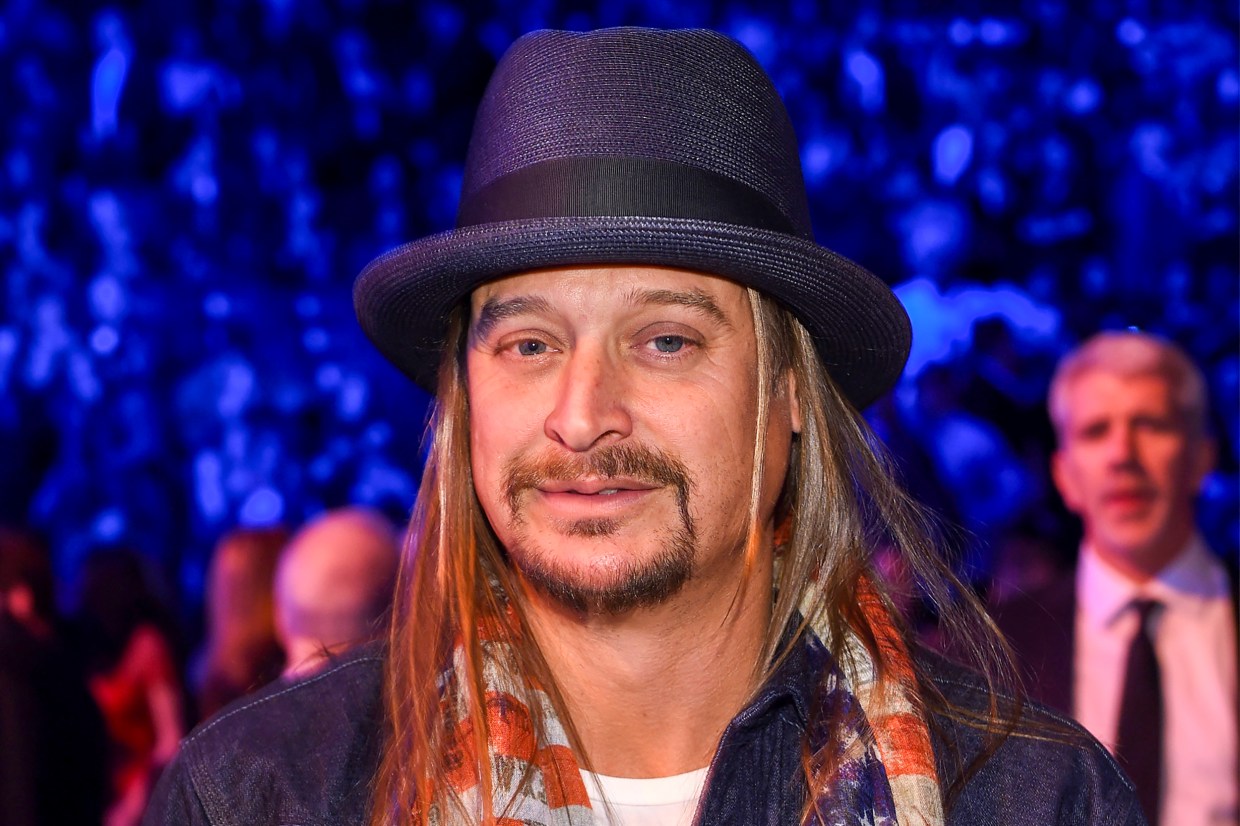
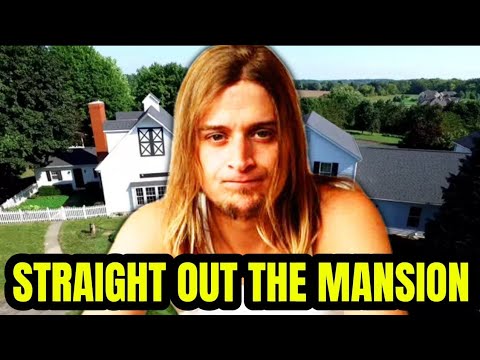
The self-styled “Badass” who rapped about hardship and survival actually grew up in a sprawling 6-acre estate in Romeo, Michigan — a far cry from the urban grit he sold to millions.
Behind the trucker hats, ripped sleeves, and gravelly voice lies a story of privilege, marketing genius, and a carefully crafted persona that fooled the world for decades.
Robert James Richie, aka Kid Rock, didn’t come from some broken-down Detroit neighborhood.
Nope. Romeo is a quiet, affluent town where executives and car dealership owners live to escape the city’s chaos.
His father, William Richie, was no factory worker but a prosperous tycoon who owned multiple car dealerships, including the prestigious Crest Lincoln Mercury.
The Richie family’s mansion was a 5,600-square-foot colonial on six acres, complete with manicured lawns, an apple orchard, horses, and a private tennis court maintained by hired staff.
Imagine waking up not to sirens or street noise but to birds chirping and the hum of landscapers mowing the lawn.
That was young Bob Richie’s reality — a far cry from the “rough and tumble” life he later claimed to live.
Kid Rock loved hip hop — the energy, rebellion, and rawness.
But he was a tourist in the culture he rapped about.
He’d drive his dad’s car from the safety of Romeo into Detroit’s sweaty clubs, soaking up the scene like a curious visitor.
He learned breakdancing, joined a crew, and called himself Kid Rock, but his early look was a polyester tracksuit and high-top fade — far from the leather-and-fur pimp image he’d later adopt.
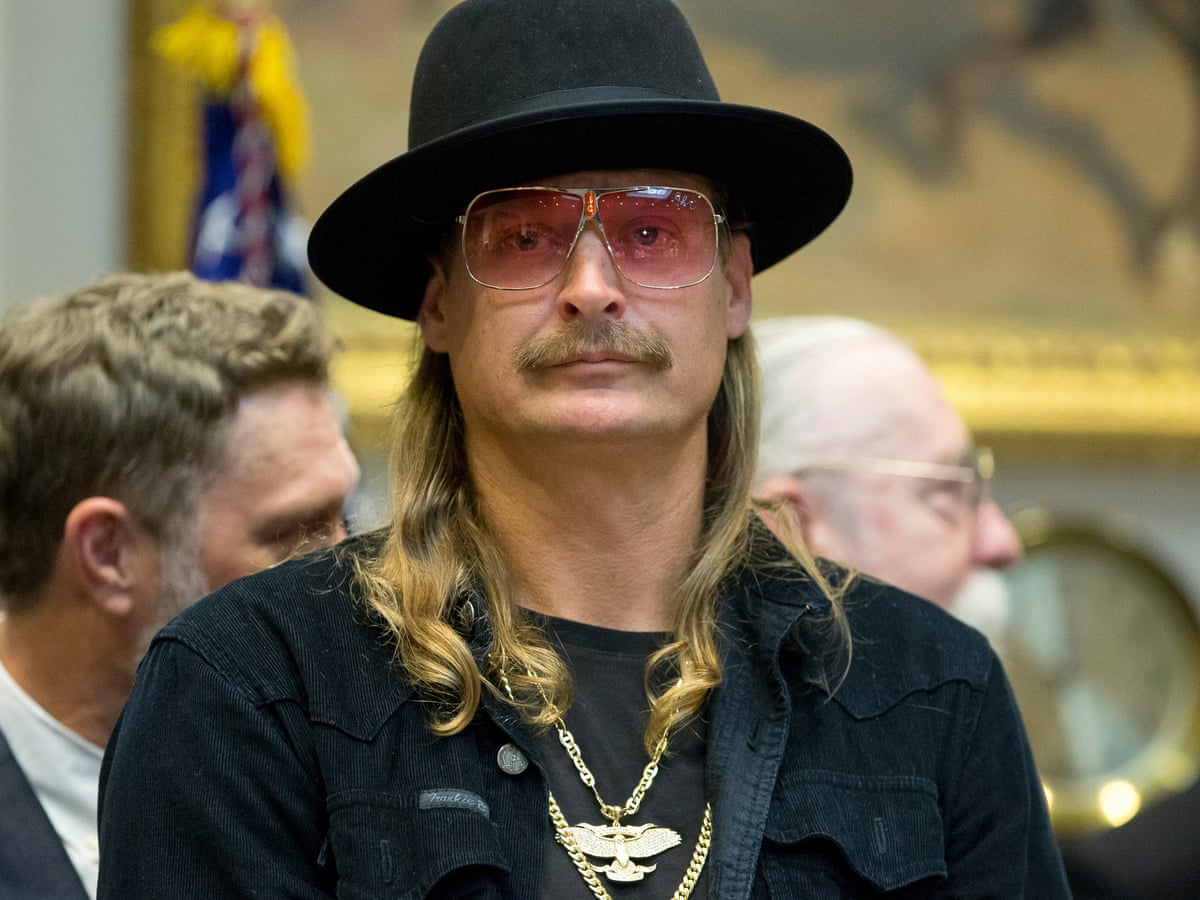
While other kids in the inner city faced the harsh realities of poverty, jail, or factory jobs, Bob Richie had a safety net: college or a desk job at the family dealership.
When Jive Records signed him in 1990, his debut album was exactly what you’d expect — a white suburban kid rapping about a life he’d only seen in movies.
When Vanilla Ice exploded and imploded shortly after, Jive dropped Kid Rock, fearing another white rapper disaster.
Most would have quit after being dropped, but Richie was no ordinary artist — he was a marketer.
Seeing grunge’s rise and the public’s appetite for “authenticity,” he decided to reinvent himself.
He couldn’t be the “street guy” anymore; he had to be something dirtier, grittier, and more threatening.
He looked around his privileged bubble and saw the “white trash” culture on the fringes — lawnmowers, cheap beer, ripped shirts, and bad attitudes.
He bought thrift-store fur coats and fedoras, grew out his hair, and started speaking with a twang that didn’t exist in Romeo High School hallways.
This was a costume, a character built to scare off the parents and appeal to the disaffected youth.
He formed Twisted Brown Trucker, a backing band of real “gritty” musicians, to camouflage his suburban roots.
The music mixed rap, metal guitars, and country samples — a clever bridge between hip hop and metal fans, all glued together by the “white trash” image.
To sell this new persona, Kid Rock needed a convincing backdrop.
Instead of actually living in a trailer park, he bought a double-wide trailer and had it moved to a vacant lot on his own property in Detroit.
It was a movie set, a prop for videos and interviews.
He’d sit on the trailer steps, holding a bottle of Jim Beam, telling reporters about scraping for everything he had — all while returning to a mansion with heated floors and gourmet meals.
The media bought it hook, line, and sinker.
They wanted a white rapper who was “not Vanilla Ice,” someone dangerous and rebellious.
Fact-checking? Who needs it when the story sells?
At the height of his fame in 1999, backstage at a festival, Kid Rock was caught off guard when a phone call from his dad revealed the truth.
The tough “broke pimp” voice vanished, replaced by respectful, quiet tones.
The mask slipped for a moment, revealing the Romeo kid beneath.

But the audience didn’t want the truth. They wanted the legend.
So, Richie put the mask back on, smoked his cigar, and played the part to perfection.
Kid Rock’s persona extended to his personal life.
His relationship with Pamela Anderson was billed as the ultimate “white trash power couple,” but their wedding was anything but trailer park chic — it happened on a yacht, followed by a lavish resort party.
Richie’s real estate portfolio grew to include Malibu mansions and sprawling Nashville estates.
He started playing real golf with professionals, mingling with celebrities and politicians, and the “outlaw” image became harder to maintain.
The contradictions piled up, but the fans still bought the story.
When a bar fight at a Waffle House erupted, it seemed like Kid Rock’s moment to live up to his outlaw image.
But instead of jail or court-appointed lawyers, a team of high-priced attorneys and PR experts swooped in to manage the fallout.
Richie handled it like a CEO protecting a brand, paying fines and settling suits quietly.
He wasn’t just a musician anymore; he was a lifestyle brand, selling the redneck aesthetic to suburban weekend warriors who wanted to feel “real” while heading back to air-conditioned offices on Monday.
As rap rock faded, Kid Rock pivoted again — this time to country music, mixing nostalgic anthems with ripped-off riffs from classic southern rock.
He leaned into politics, becoming a voice for the “forgotten man,” railing against elites while flying private jets and living in luxury.
His Rolling Stone interview revealed the ultimate irony: a pristine home with art on the walls and staff, not a pile of beer cans and strippers.
Richie laughed off the contradictions: “I’m not just white trash.I’m expensive white trash.”
Kid Rock’s story is a masterclass in marketing and escapism.
The fans didn’t care about the truth — they wanted the sweat, the swagger, the struggle.
And Richie sold it to them with a markup, the trailer still sitting rusting on his land as a monument to the hustle.
He pulled a fast one on America, crafting a myth that resonated deeply with millions.
And in the end, that myth became the truth — because everyone wanted to believe it.
News
The Song that Bob Dylan Wrote About Elvis Presley
Bob Dylan and Elvis Presley are two of the most legendary figures in American music history. One is known as…
Raul Malo, Lead Singer of The Mavericks, has died at age 60
The music world is mourning the loss of Raul Malo, the charismatic lead singer of The Mavericks, who passed away…
At 69, Steve Perry Confessed This Was the Song He Couldn’t Finish
Steve Perry’s voice is one of rock’s most iconic and enduring sounds. As the lead singer of Journey, he gave…
Top 6 SHOCKING Things Axl Rose Said About Other Rock Legends!
Axl Rose, the legendary frontman of Guns N’ Roses, is known not only for his iconic voice and music but…
‘You Had ONE Job!’ How Powerman 5000 FUMBLED a Platinum Future
Powerman 5000’s story is one of bold creativity, underground buzz, and a dramatic crossroads that nearly derailed their ascent to…
‘He Knew Last Show Would Kill Him’ Ozzy Osbourne’s Final Moments | Sharon Osbourne Interview
Ozzy Osbourne, the legendary rock icon, cultural pioneer, and beloved family man, gave his final performance knowing it might be…
End of content
No more pages to load






