
“Money for Nothing” by Dire Straits stands as one of the most iconic rock anthems of the 1980s.
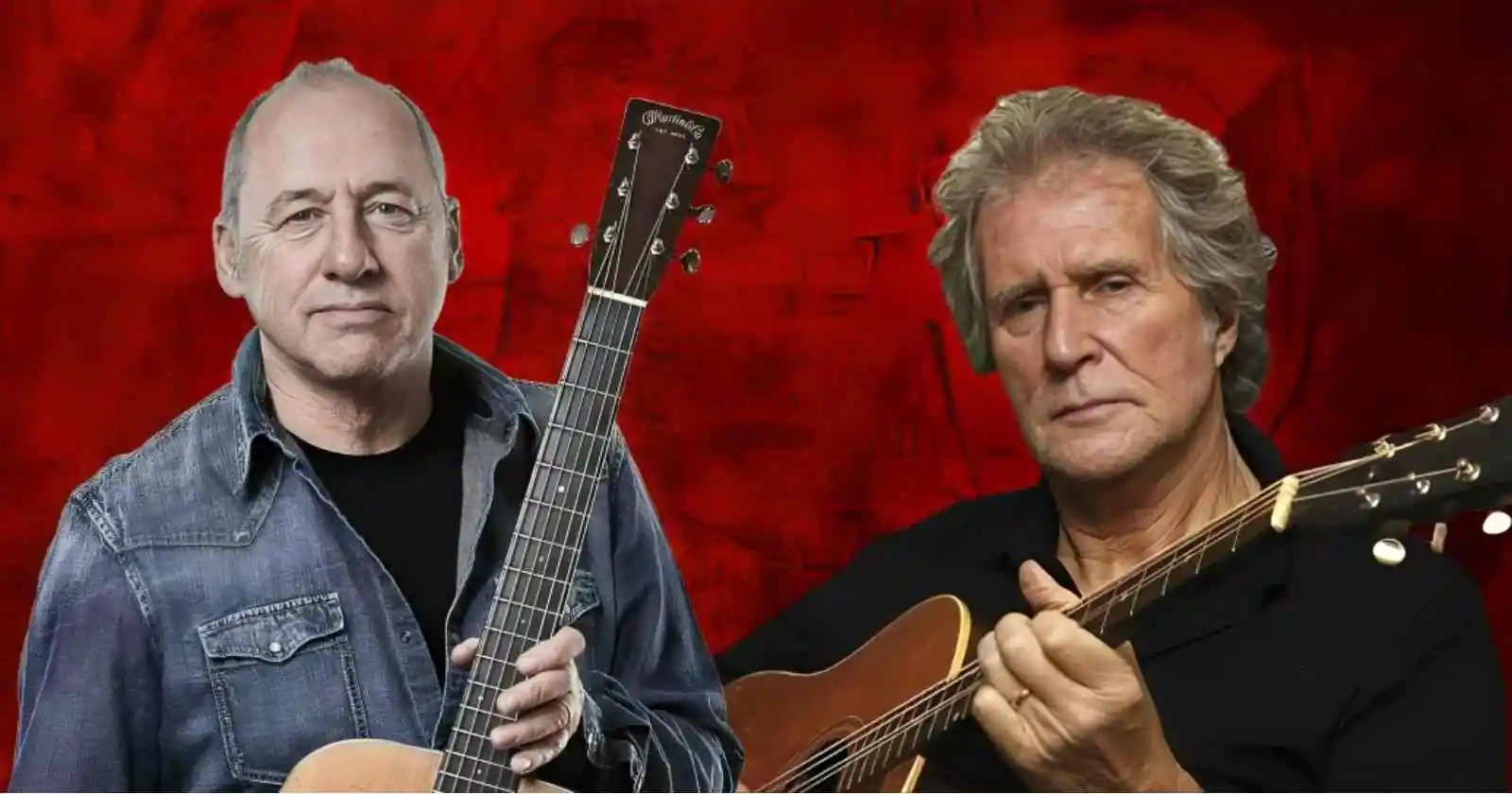
It not only became the band’s most commercially successful single but also left a lasting legacy in music history.
The song’s creation, rise to fame, and the controversies it sparked reveal a fascinating story behind one of rock’s classic hits.
Dire Straits formed in London in 1977, led by brothers Mark and David Knopfler, alongside John Illsley and Pick Withers.
The band’s name reflected their early financial struggles—they were literally in “dire straits,” a situation familiar to many emerging musicians.
Their breakthrough came when a demo tape featuring “Sultans of Swing” reached BBC Radio London DJ Charlie Gillett, who played it on air.
The song quickly gained attention, helping Dire Straits release their self-titled debut album in 1978.
“Sultans of Swing” became a hit across the Atlantic, marking the band’s first top-five single in the U.S.
Dire Straits’ unique sound blended elements of pub rock, jazz, folk, and blues, setting them apart from their contemporaries.
Their second album, “Communiqué” (1979), followed quickly, but it was their third album “Making Movies” (1980) that showcased Mark Knopfler’s growing songwriting skills with narrative-driven songs like “Romeo and Juliet.”
In 1982, the band released “Love Over Gold,” an album featuring longer, more complex compositions.
The opening track, “Telegraph Road,” clocked in at over 14 minutes, reflecting the band’s musical evolution.

By the mid-1980s, the music industry was changing rapidly with the rise of MTV, launched in 1981.
This new visual medium became crucial for artists seeking commercial success, but Dire Straits initially resisted the music video trend.
Mark Knopfler was not a fan of MTV or music videos, and the band had avoided appearing on their album covers.
Although popular in the UK, Dire Straits had a lukewarm reception in the U.S., partly because they had not embraced MTV fully.
In 1985, Dire Straits began work on their fifth studio album, “Brothers in Arms.” This album would become a milestone, not only technologically but culturally.
It was among the first albums recorded digitally using a Sony 24-track digital tape machine, reflecting Knopfler’s drive for superior sound quality.
The band recorded in Montserrat, a British territory in the Caribbean, where other notable bands like The Police had also worked.
The album was co-produced by Mark Knopfler and Neil Dorfsman, known for his work with Bruce Hornsby, Paul McCartney, and Sting.
“Brothers in Arms” produced five charting singles, including “So Far Away,” “Walk of Life,” “Your Latest Trick,” and the standout track “Money for Nothing,” which became the album’s second single and skyrocketed the band’s fame.

Mark Knopfler wrote “Money for Nothing” after overhearing a conversation in a New York City department store while shopping for an exercise machine.
The exchange was between a delivery man and a store employee watching MTV.
The delivery man commented disparagingly on the music videos and the lifestyle of rock stars, using working-class language and attitudes.
Knopfler was intrigued by their perspective—working-class men envying rock stars who appeared to get “money for nothing” and “chicks for free.
” He borrowed the exact phrases and tone from the conversation to create the song’s lyrics, aiming to capture the viewpoint of the everyday man watching MTV and reacting to the glamorous rockstar lifestyle.
The delivery man’s colorful language included the phrase “What are those Hawaiian noises?” referring to the guitar sounds, which Knopfler incorporated to keep the authenticity.
The song’s distinctive guitar riff, played on a Gibson Les Paul Junior, was born out of a happy accident during recording.
Neil Dorfsman recalled that the microphone setup was imperfect, leftover from the previous day, but the resulting sound was exactly what ended up on the record.

An interesting addition to the track was the backing vocal by Sting, who sang the line “I want my MTV,” referencing the popular MTV advertising campaign of the 1980s.
Sting’s involvement came about when he was visiting the studio on holiday.
Originally, he did the part as a favor without expecting a songwriting credit.
However, his publisher later claimed rights to part of the song due to the use of the melody from The Police’s “Don’t Stand So Close to Me,” leading to Sting receiving co-writing credits.
Although Mark Knopfler was reluctant about music videos, the band agreed to make a video for “Money for Nothing,” which became one of the first to feature computer-generated animation.
Directed by Steve Barron, the video depicted two working-class men animated in a blocky 3D style watching MTV and commenting on the rock stars they saw.
The video was revolutionary for its time and became a staple on MTV, winning the Video of the Year award at the 1986 MTV Video Music Awards.
It helped propel “Money for Nothing” to massive popularity and cemented Dire Straits’ place in the MTV era.

Released in June 1985, “Money for Nothing” quickly climbed the charts, reaching number one on the U.S.Billboard Hot 100 by September and peaking at number four in the UK.
The song spent nine weeks at number one in the U.S.and an astonishing 34 weeks at the top spot in Australia.
The success of “Money for Nothing” and the “Brothers in Arms” album, which sold over 30 million copies worldwide, made Dire Straits one of the defining acts of the 1980s.
Rolling Stone magazine ranked the song’s guitar riff among the greatest guitar songs of all time, and the album achieved nine-times platinum certification in the U.S.
Despite its success, “Money for Nothing” sparked controversy, particularly over its lyrics.
The second verse repeatedly uses a derogatory term for gay people (the F-word), which many found offensive.
Critics, including members of the gay press, accused the song of normalizing homophobic language.
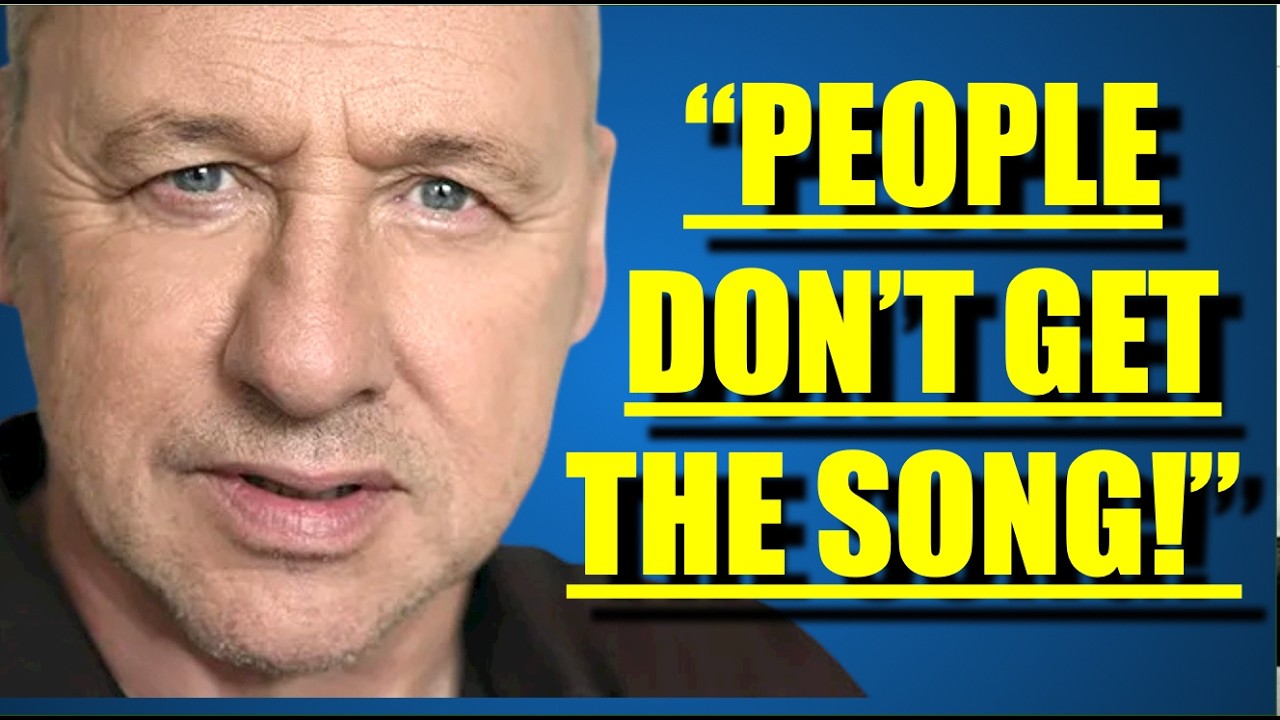
However, Mark Knopfler explained that the lyrics were meant to portray the ignorance and prejudice of the song’s narrator—a working-class man expressing his uninformed views.
Knopfler, who studied journalism and worked as a reporter, intended the song as a story from that perspective, not an endorsement of the language.
Radio stations often censored the offensive word, shortening the song.
Interestingly, MTV chose to leave the word in the video, judging the context as not hateful but reflective of the character’s ignorance.
In 2011, Canadian broadcast authorities ruled the uncensored version too offensive for airplay, though some stations challenged this and played it repeatedly, prompting a reconsideration of the ruling.
“Money for Nothing” remains a landmark song that captures a moment in music history when rock, MTV, and digital technology converged.
Its catchy riff, innovative video, and sharp social commentary have ensured its place as a classic.
While controversy over its lyrics continues to provoke discussion about artistic intent and social responsibility, the song’s impact on 1980s rock and popular culture is undeniable.
Mark Knopfler’s ability to weave storytelling with music, combined with the band’s embrace of new technology, helped Dire Straits achieve unprecedented success.
Though the band disbanded in 1995 and a reunion seems unlikely, “Money for Nothing” endures as a symbol of an era and a testament to the power of music to reflect and challenge societal attitudes.
News
The Song that Bob Dylan Wrote About Elvis Presley
Bob Dylan and Elvis Presley are two of the most legendary figures in American music history. One is known as…
Raul Malo, Lead Singer of The Mavericks, has died at age 60
The music world is mourning the loss of Raul Malo, the charismatic lead singer of The Mavericks, who passed away…
At 69, Steve Perry Confessed This Was the Song He Couldn’t Finish
Steve Perry’s voice is one of rock’s most iconic and enduring sounds. As the lead singer of Journey, he gave…
Top 6 SHOCKING Things Axl Rose Said About Other Rock Legends!
Axl Rose, the legendary frontman of Guns N’ Roses, is known not only for his iconic voice and music but…
‘You Had ONE Job!’ How Powerman 5000 FUMBLED a Platinum Future
Powerman 5000’s story is one of bold creativity, underground buzz, and a dramatic crossroads that nearly derailed their ascent to…
‘He Knew Last Show Would Kill Him’ Ozzy Osbourne’s Final Moments | Sharon Osbourne Interview
Ozzy Osbourne, the legendary rock icon, cultural pioneer, and beloved family man, gave his final performance knowing it might be…
End of content
No more pages to load






