
The story of Dokken is not just about hit records and sold-out tours.
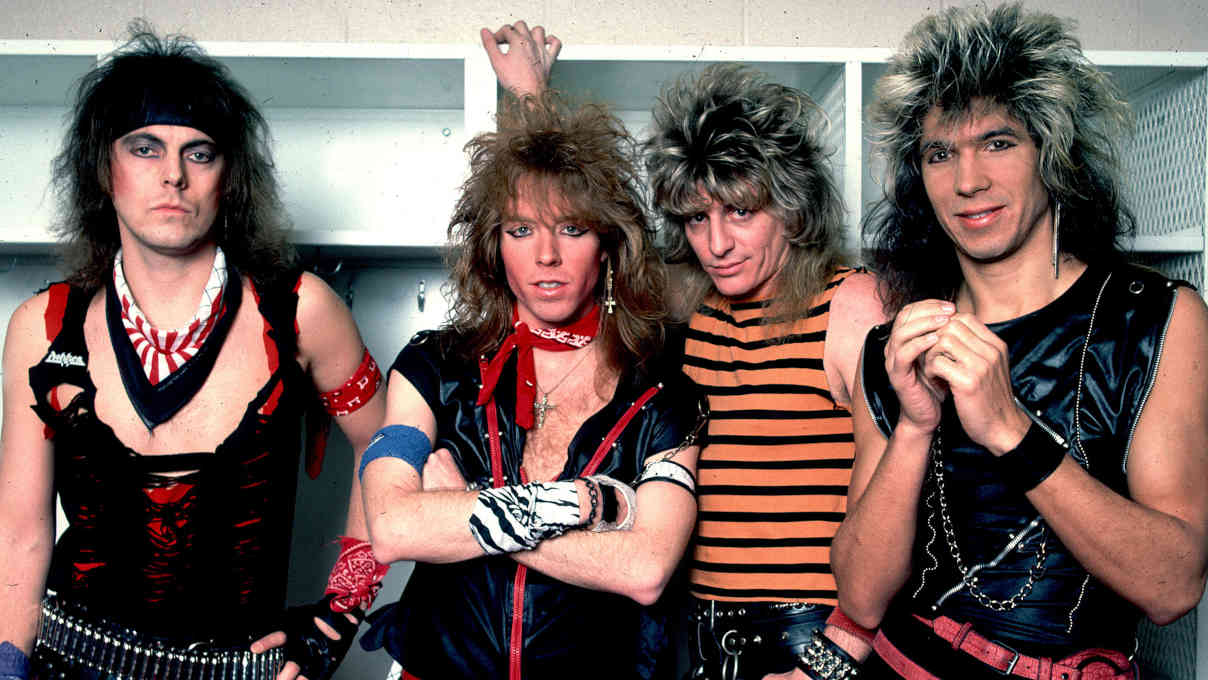
Behind the glitz and glam of 1980s heavy metal success lies a cauldron of personal vendettas, backstabbing, and bitter legal battles that ultimately tore the band apart.
Despite their platinum albums and undeniable talent, the members of Dokken—especially frontman Don Dokken and guitar virtuoso George Lynch—could never find harmony offstage.
What follows is a deep dive into how a band with all the ingredients for greatness became a cautionary tale of ego, mistrust, and self-sabotage.
Before Dokken was a household name, Don Dokken was grinding away in obscurity, touring Europe and doing whatever it took to keep his dream alive.
Meanwhile, George Lynch and drummer Mick Brown were carving their own path with a band called Exciter.
When their paths crossed, the chemistry was undeniable—but so was the tension.
Don Dokken, known for his charm and ambition, quickly locked in Lynch and Brown for a recording deal in Germany.
But from the start, the power dynamics were skewed.
Don lived comfortably in a lakeside apartment paid for by a German girlfriend, while Lynch and Brown endured squalid hotel conditions.
The division was palpable, and an undercurrent of resentment began to fester.
The cracks in the band’s foundation widened with disputes over songwriting credits.
Don Dokken was accused of taking credit for songs that Lynch and Brown had created, including “Paris’s Burning,” which had been a staple of Exciter’s live shows long before Dokken claimed it.
According to Lynch, Don wasn’t just a frontman but a manipulator who rewrote the band’s origin story to place himself at the center.
Despite these deep wounds, the band pressed on.
Lynch left before their first album was even recorded but returned when a major label deal with Electra Records came through.
Yet, the tension never eased. Don wanted control; Lynch wanted respect.
The band’s hits like *Tooth and Nail* and *Under Lock and Key* brought fame but also amplified the infighting.
As success grew, so did the dysfunction.
Don Dokken claimed he stayed clean while accusing Lynch, Brown, and bassist Jeff Pilson of rampant cocaine use—even alleging Lynch snorted lines mid-show.
Pilson fired back, calling Don’s claims hostile and revisionist, accusing him of sour grapes and dishonesty.

The band’s backstage atmosphere was described as radioactive.
Recording sessions became battlegrounds, tours were marred by hangovers and clashes, and grudges simmered beneath every handshake.
The tension culminated in a legendary limo fight in London, where Lynch allegedly put Don in a headlock just minutes before performing for thousands.
By 1989, the band was a ticking time bomb.
Don Dokken wanted to renegotiate finances to make himself the sole leader, relegating Lynch and others to hired guns.
Lynch refused and walked away, supported by Pilson and Brown.
The band that once sold millions was now a fractured shell.
Legal battles ensued.
Lynch, Pilson, and Brown sued Don over the rights to the band’s name and royalties.
In a stunning twist, Don was barred from using the Dokken name—his own last name—forcing the entire band into a stalemate where no one could use the brand.
This legal limbo destroyed any chance of a cohesive comeback and scattered the members to separate projects.

Despite the acrimony, the classic lineup reunited briefly in the mid-1990s and again in the 2000s, but these reunions were short-lived and fraught with the same old conflicts.
The 1997 album *Shadow Life* was reportedly sabotaged by Lynch, who called it a “piece of crap,” and the band barely spoke offstage.
In 2009, a one-night-only reunion at the House of Blues gave fans a fleeting glimpse of what might have been, but it was clear the chemistry was gone.
A final reunion tour in 2016 was motivated more by lucrative paychecks than friendship or artistic revival.
Today, Dokken lives on with Don at the helm alongside newer members, releasing albums like *Heaven Comes Down* and touring steadily.
However, the original lineup remains estranged, locked in decades of cold war marked by public accusations and legal threats.
George Lynch has openly stated that he and Don Dokken are simply not meant for each other, while Don continues to stir controversy by claiming more songwriting credit and revisiting the band’s drug-fueled past.
Jeff Pilson has called Don’s recent comments “ridiculous” and “sour grapes,” signaling that the wounds remain fresh.
Meanwhile, Mick Brown has quietly retired due to Parkinson’s disease, and Jeff Pilson has moved on to other projects, though none have matched the peak success of Dokken’s heyday.
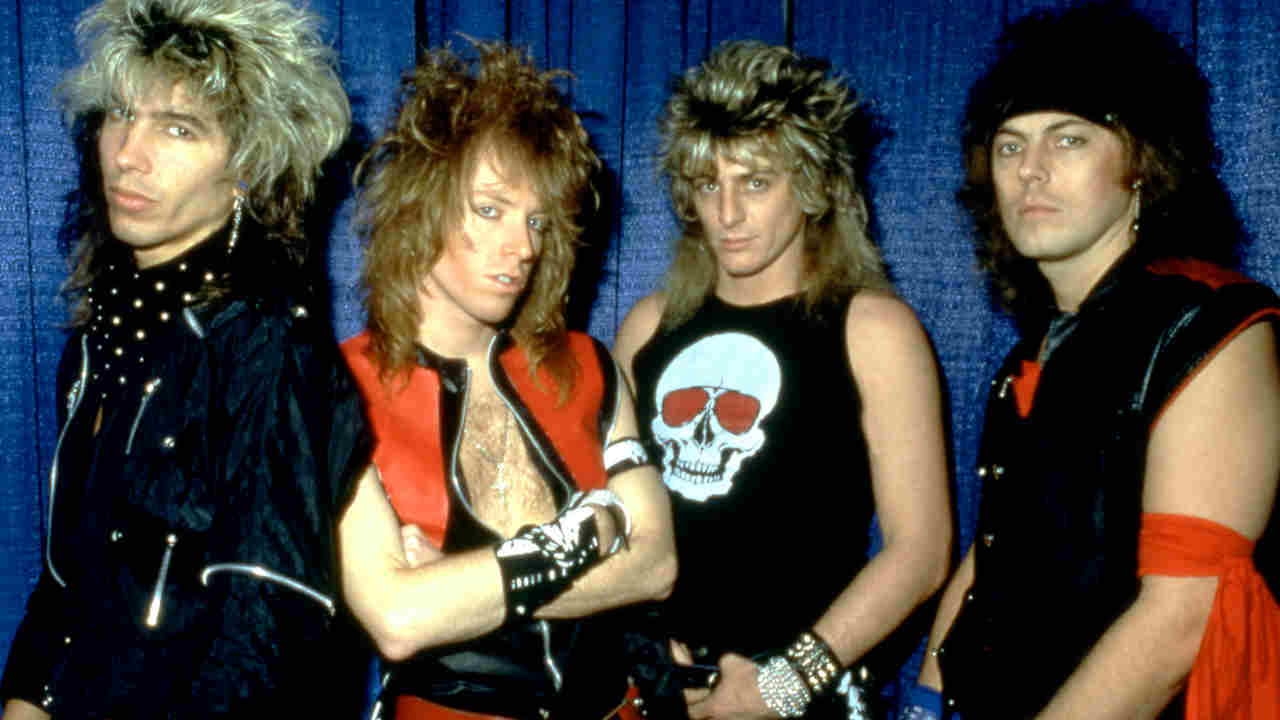
Dokken’s story is a tragic example of how talent and commercial success are not enough to hold a band together.
Ego clashes, power struggles, and personal demons created a toxic environment that no platinum record could fix.
The band that once stood on the brink of superstardom imploded under the weight of its own internal wars.
For fans, Dokken is both a symbol of 80s metal glory and a cautionary tale of what happens when the music fades and the grudges take center stage.
The legacy of Don Dokken and George Lynch is forever intertwined with both brilliant riffs and bitter fights—a reminder that sometimes, the biggest enemies are the ones closest to you.
News
The Song that Bob Dylan Wrote About Elvis Presley
Bob Dylan and Elvis Presley are two of the most legendary figures in American music history. One is known as…

Raul Malo, Lead Singer of The Mavericks, has died at age 60
The music world is mourning the loss of Raul Malo, the charismatic lead singer of The Mavericks, who passed away…
At 69, Steve Perry Confessed This Was the Song He Couldn’t Finish
Steve Perry’s voice is one of rock’s most iconic and enduring sounds. As the lead singer of Journey, he gave…
Top 6 SHOCKING Things Axl Rose Said About Other Rock Legends!
Axl Rose, the legendary frontman of Guns N’ Roses, is known not only for his iconic voice and music but…
‘You Had ONE Job!’ How Powerman 5000 FUMBLED a Platinum Future
Powerman 5000’s story is one of bold creativity, underground buzz, and a dramatic crossroads that nearly derailed their ascent to…
‘He Knew Last Show Would Kill Him’ Ozzy Osbourne’s Final Moments | Sharon Osbourne Interview
Ozzy Osbourne, the legendary rock icon, cultural pioneer, and beloved family man, gave his final performance knowing it might be…
End of content
No more pages to load






