When you think of Def Leppard’s *Hysteria*, you probably imagine a flawless, arena-filling rock masterpiece packed with hit singles like “Pour Some Sugar on Me” and “Love Bites.”

But behind the glossy, polished sound lies a harrowing story of tragedy, chaos, and near-collapse that almost destroyed the band and their career.
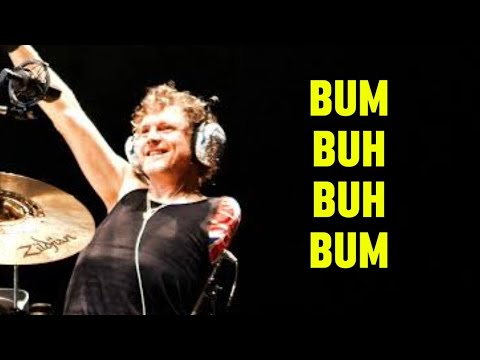
What followed was three grueling years of near disaster, millions of dollars lost, a producer who bailed, and a drummer who lost his arm in a horrific car crash.
Yet somehow, Def Leppard turned this nightmare into one of the biggest albums of all time.
It all began in 1983 when Def Leppard was riding high on the success of their album *Pyromania*.
Produced by the legendary Robert John “Mutt” Lange, *Pyromania* was a monster hit.
The Sheffield-based band had crafted a slick, hook-laden sound that MTV played relentlessly.
Singles like “Photograph” and “Foolin’” made them superstars, outselling almost everyone except Michael Jackson’s *Thriller*.
But even as they basked in the glory, trouble was brewing behind the scenes.
During the recording of *Pyromania*, the band was forced to fire founding guitarist Pete Willis due to his severe alcoholism.
Pete’s drinking had gotten so bad that he showed up to sessions too drunk to play, forcing singer Joe Elliott to deliver the bad news.
He was replaced by Phil Collen, a professional musician with the chops and attitude to keep the band moving forward.
With this new lineup, *Pyromania* went on to sell over 10 million copies, setting the bar impossibly high for their next album.

With the massive success of *Pyromania*, the record label was breathing down Def Leppard’s neck for a follow-up.
The band relocated to Dublin, Ireland, partly to escape the madness and partly to avoid Britain’s punishing 83% tax rate.
They holed up in a house together, trying to write songs that could match or surpass their previous triumph.
However, Mutt Lange, the mastermind behind their sound, was burned out after years of intense work on *Pyromania* and *Heartbeat City*.
He abruptly quit, telling the band to “go for it” on their own.
This left Def Leppard stranded without their sonic architect.
In desperate need of a producer, the band hired Jim Steinman, famed for his bombastic work with Meat Loaf’s *Bat Out of Hell*.
Steinman wanted to take Def Leppard’s sound in a raw, operatic direction, throwing out their polished demos in favor of something angry and theatrical.
The band, however, wanted to replicate the slick success of *Pyromania*.
The clash of visions led to eight weeks of arguments and zero usable recordings.
Eventually, Steinman was fired, leaving the band broke, frustrated, and no closer to finishing the album.
As if the creative chaos wasn’t enough, tragedy struck on New Year’s Eve 1984.
Drummer Rick Allen, just 21 years old, was driving his Corvette Stingray through the English countryside when he was challenged to a street race by another driver.
Distracted and speeding, Allen lost control, crashing through a stone wall and flipping his car.
The accident was catastrophic: Allen’s left arm was severed below the shoulder by his seatbelt.
Miraculously, he survived, but the injury threatened to end his career and the band’s future.
The press was merciless, writing off Def Leppard as finished without their “Thunder God” drummer.
Despite the grim prognosis, the band refused to replace Allen.
Joe Elliott vowed they would wait however long it took for him to recover.
This loyalty inspired Mutt Lange, who re-entered the picture after hearing about the accident.
Feeling guilty for having left and moved on, Lange recommitted to producing the album, promising to make it even bigger than *Pyromania*.
Lange’s vision was ambitious: *Hysteria* had to be the rock equivalent of *Thriller*, with every track a potential hit single.
This meant endless studio perfectionism and painstaking attention to detail.
Meanwhile, Allen faced the daunting challenge of relearning drums with one arm.
He devised a groundbreaking method, using his left foot to trigger electronic drum pads that replaced the functions of his lost arm.
With the help of Simmons Electronics, he got a custom drum kit and practiced relentlessly, rewiring his brain and body to adapt.

Allen’s comeback was nothing short of miraculous, a testament to his determination and resilience.
Back in the studio, Lange’s perfectionism reached new heights.
Guitarist Phil Collen was forced to record every single note repeatedly until perfect, using a tiny amplifier called the Rockman.
Vocals were layered to an extreme degree, with some songs featuring dozens of harmony tracks.
For example, “Love Bites” reportedly has over 100 vocal tracks layered for its chorus, creating what the band called “Mutz Mass.”
This meticulous process dragged on for years, pushing the band to the brink of exhaustion and sanity.
After nearly four years in production and a staggering $4.5 million spent, the album was finally ready in 1987.
The first singles, “Women” and “Animal,” had mixed success, and the label feared the album might flop.
Then came the moment of magic.
Joe Elliott was noodling around in the studio when he came up with a catchy riff. Lange heard it and insisted they write the song immediately.
The band was reluctant, exhausted from years of work, but they pushed through to create “Pour Some Sugar on Me.”
The track exploded on MTV, becoming a massive hit and propelling *Hysteria* to number one on the charts.
Seven of the album’s twelve songs were released as singles, many topping the charts.
While *Hysteria* was a commercial triumph, the band was haunted by the personal demons of guitarist Steve Clark.
A gifted musician and songwriter, Clark was battling chronic alcoholism.
Despite interventions and rehab attempts, he spiraled downward, often found unconscious or injured due to his drinking.
In 1991, Clark died of a lethal combination of alcohol and prescription drugs at just 30 years old, marking a tragic end to an era for Def Leppard.
Despite the immense challenges, *Hysteria* remains one of the best-selling rock albums ever, with over 20 million copies sold worldwide.
It stands as a testament to creative perseverance, friendship, and sheer willpower in the face of adversity.
The album’s story is as epic as its sound—a rollercoaster of triumph, tragedy, and redemption that forever changed the landscape of rock music.
News

How Slipknot’s Joey Jordison Changed Wednesday 13’s Career: From Trailer Couch to Glam Horror Rock Icon
Wednesday 13, the charismatic frontman of the Murderdolls and a veteran of the horror punk and glam rock scene, has…
Richie Blackmore Hospitalized After Severe Vertigo Attack: Rock Legend’s Shocking Ordeal Revealed
Richie Blackmore, the legendary guitarist known for his groundbreaking work with Deep Purple and Rainbow, recently shared a startling update…

Former NFL QB Breaks Down Shedeur Sanders’ First NFL Start: Beyond the Numbers, A Rookie’s Poise and Potential
The much-anticipated NFL debut of rookie quarterback Shedeur Sanders has stirred plenty of discussion, especially around his performance metrics and…

Death Metal Meltdown: Band Implodes After 30-Hour Drug Bender, Frontman Abandoned at a Gas Station in Vermont
In a saga so chaotic it feels ripped from a late-night reality show rather than the touring circuit of a…
🐿️ MAX CROSBY GOES VIRAL AFTER REVEALING HIS TRUE FEELINGS ABOUT SHEDUR SANDERS — RAIDERS FANS STUNNED AS STAR PASS RUSHER SIGNALS THE DRAFT MISTAKE THAT HAUNTS THE FRANCHISE
The Las Vegas Raiders expected Week 12 to be another gritty showdown with the Cleveland Browns, but no one in…
🐿️ At 29, Deshaun Watson BREAKS SILENCE on His DARKEST Cleveland Fears—REVEALS a SECRET AGENDA Holding Back Shedeur Sanders🔥😱 Is This the Scandal That Finally Ends Kevin Stefanski’s Era?
Cleveland has endured decades of disappointment, but the scandal unfolding now feels different—darker, heavier, and more calculated than anything the…
End of content
No more pages to load