
In the mid-1980s, the glam metal scene was booming, and one song seemed to encapsulate the rebellious spirit of the time: Autograph’s “Turn Up the Radio.
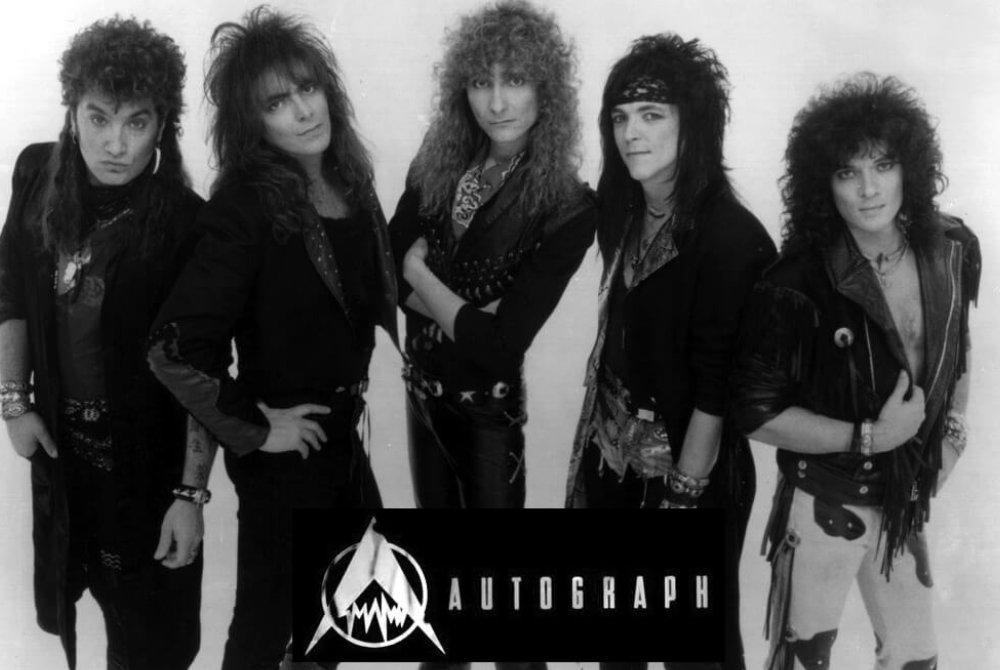
” The track blasted from car stereos across the nation and became an anthem for rock fans everywhere.
Yet, for the band Autograph, the song was a double-edged sword—both their greatest success and an unexpected curse that would define and confine their career.
Autograph’s story begins not in a gritty garage but in the vibrant and competitive Los Angeles music scene of the early 1980s.
The Sunset Strip was the epicenter of rock and roll, where bands like Mötley Crüe and Ratt were crafting the loud, flashy sound that would define the decade.
Into this world stepped five seasoned musicians led by singer and guitarist Steve Plunkett, who had previously been in the band Silver Condor.
Plunkett assembled a tight-knit group of friends: guitarist Steve Lynch, known for his innovative two-handed tapping technique; bassist Randy Rand; keyboardist Steven Isham, who added a modern radio-friendly edge; and drummer Kenny Richards.
Despite their collective experience, the band had never played a show together before their big break.
That break came through an unlikely connection—Richards’ friendship with David Lee Roth of Van Halen.
After hearing a demo tape of Autograph, Roth was so impressed he offered the unsigned, unnamed band a spot opening for Van Halen on their massive 1984 tour.
This was a rare and extraordinary opportunity, thrusting Autograph from obscurity into the spotlight before they had even performed live.
With the tour looming, the band scrambled to rehearse and cobble together a setlist.
They even had to raise $9,000 to make the cross-country trip to their first gig in Florida.
On the road, they finally settled on the name “Autograph,” a democratic process that saw other suggestions crossed off until only this one remained.
Their debut album, *Sign In Please*, was recorded after the tour.
The band felt it was solid but missing something—a high-energy track that would capture the spirit of the times.
They quickly wrote “Turn Up the Radio,” originally based on an old demo called “Turn Up the Tape Machine.
” The song was composed in about 20 minutes, with Plunkett writing the lyrics just as fast.
Despite its catchy hook and energetic vibe, the band’s feelings about the song were lukewarm.
Guitarist Lynch admitted it wasn’t a personal favorite, and RCA Records was initially skeptical about its commercial potential.
However, a promotional executive championed the track, insisting it be the lead single and requesting a guitar solo to showcase Lynch’s talent.
When *Sign In Please* was released in October 1984, it initially had a slow start, selling only about 80,000 copies in three months.
But then MTV entered the picture.
Autograph’s music video for “Turn Up the Radio” was a quintessential 80s spectacle, complete with a glowing pen writing the band’s name in light—a clever product placement deal with Paper Mate pens that helped fund the video.

The video’s heavy rotation on MTV transformed the song into a smash hit.
It climbed the Billboard Hot 100 to peak at number 29 and helped the album achieve gold certification.
Suddenly, Autograph was everywhere, their song featured on popular TV shows like *Miami Vice* and later in video games such as *Grand Theft Auto: Vice City*.
With “Turn Up the Radio” catapulting them to fame, Autograph seemed poised for stardom.
They toured with major acts like Mötley Crüe, Kiss, Aerosmith, and Bryan Adams, and their music appeared in several movie soundtracks.
Yet, the very success of their hit became a burden.
Their follow-up albums failed to replicate the magic.
*That’s the Stuff* (1985) and *Loud and Clear* (1987) produced minor hits but were commercial disappointments, peaking far lower on the charts.
The public largely dismissed anything that didn’t sound like “Turn Up the Radio,” pigeonholing Autograph as a one-hit wonder.
Internally, this created tension and frustration.
The band was trapped by the accidental formula of their biggest hit—a song they never fully embraced.
As musical tastes shifted toward grittier sounds in the late 80s, Autograph’s pop-infused glam metal lost favor, and by 1988, RCA dropped them.
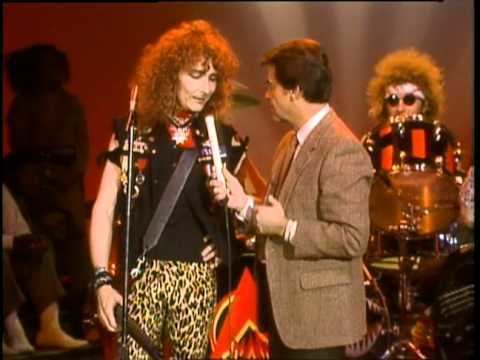
Autograph disbanded in 1989, their brief but bright flame extinguished by industry shifts and internal struggles.
Steve Plunkett moved on to a successful career as a producer and songwriter, contributing to TV themes and films.
Other members pursued different paths, including Randy Rand’s work in leather crafting.
The band reunited briefly in the 2000s with Plunkett as the sole original member, releasing new music before disbanding again.
Later, other original members reformed the band without Plunkett, leading to legal battles over the rights to the Autograph name.
In 2023, the trademark dispute was settled in favor of founding guitarist Steve Lynch, reaffirming the legacy belonged to the original members.
Despite their struggles, “Turn Up the Radio” remains a beloved classic rock anthem.
Its infectious energy and nostalgic charm have granted Autograph a form of immortality, ensuring they are remembered long after their active years.
The irony is stark: the song they once regarded as a filler track is the very reason their name endures.
Autograph’s story is a cautionary tale about the music industry’s fickle nature—how a single hit can both elevate and confine a band.
It raises questions about artistic identity and commercial success, and the price of fame when it comes unexpectedly.
Autograph’s journey from unknown musicians to chart-topping stars, and then to one-hit wonder status, encapsulates the highs and lows of 1980s rock.
“Turn Up the Radio” was their golden ticket, a song that defined a generation and continues to resonate with fans old and new.
Yet, it was also a cage, limiting their creative freedom and overshadowing their broader talents.
Their legacy is complex: a band whose biggest success was a surprise to themselves, whose career was shaped by a song they never truly loved, but whose music still turns up the volume in the hearts of rock lovers worldwide.
News
The Song that Bob Dylan Wrote About Elvis Presley
Bob Dylan and Elvis Presley are two of the most legendary figures in American music history. One is known as…
Raul Malo, Lead Singer of The Mavericks, has died at age 60
The music world is mourning the loss of Raul Malo, the charismatic lead singer of The Mavericks, who passed away…
At 69, Steve Perry Confessed This Was the Song He Couldn’t Finish
Steve Perry’s voice is one of rock’s most iconic and enduring sounds. As the lead singer of Journey, he gave…
Top 6 SHOCKING Things Axl Rose Said About Other Rock Legends!
Axl Rose, the legendary frontman of Guns N’ Roses, is known not only for his iconic voice and music but…
‘You Had ONE Job!’ How Powerman 5000 FUMBLED a Platinum Future
Powerman 5000’s story is one of bold creativity, underground buzz, and a dramatic crossroads that nearly derailed their ascent to…
‘He Knew Last Show Would Kill Him’ Ozzy Osbourne’s Final Moments | Sharon Osbourne Interview
Ozzy Osbourne, the legendary rock icon, cultural pioneer, and beloved family man, gave his final performance knowing it might be…
End of content
No more pages to load






