
In the summer of 1986, a unique fusion of musical worlds took place that few fans knew about at the time.
While the charts were dominated by blockbuster movies like *Top Gun* and hit songs from Peter Gabriel and Genesis, behind the scenes, the legendary jazz trumpeter Miles Davis was collaborating with the rock and studio powerhouse Toto on a track for their sixth studio album *Fahrenheit*.
This unlikely meeting of jazz royalty and studio royalty resulted in the song “Don’t Stop Me Now,” a track that remains a fascinating footnote in both artists’ careers.
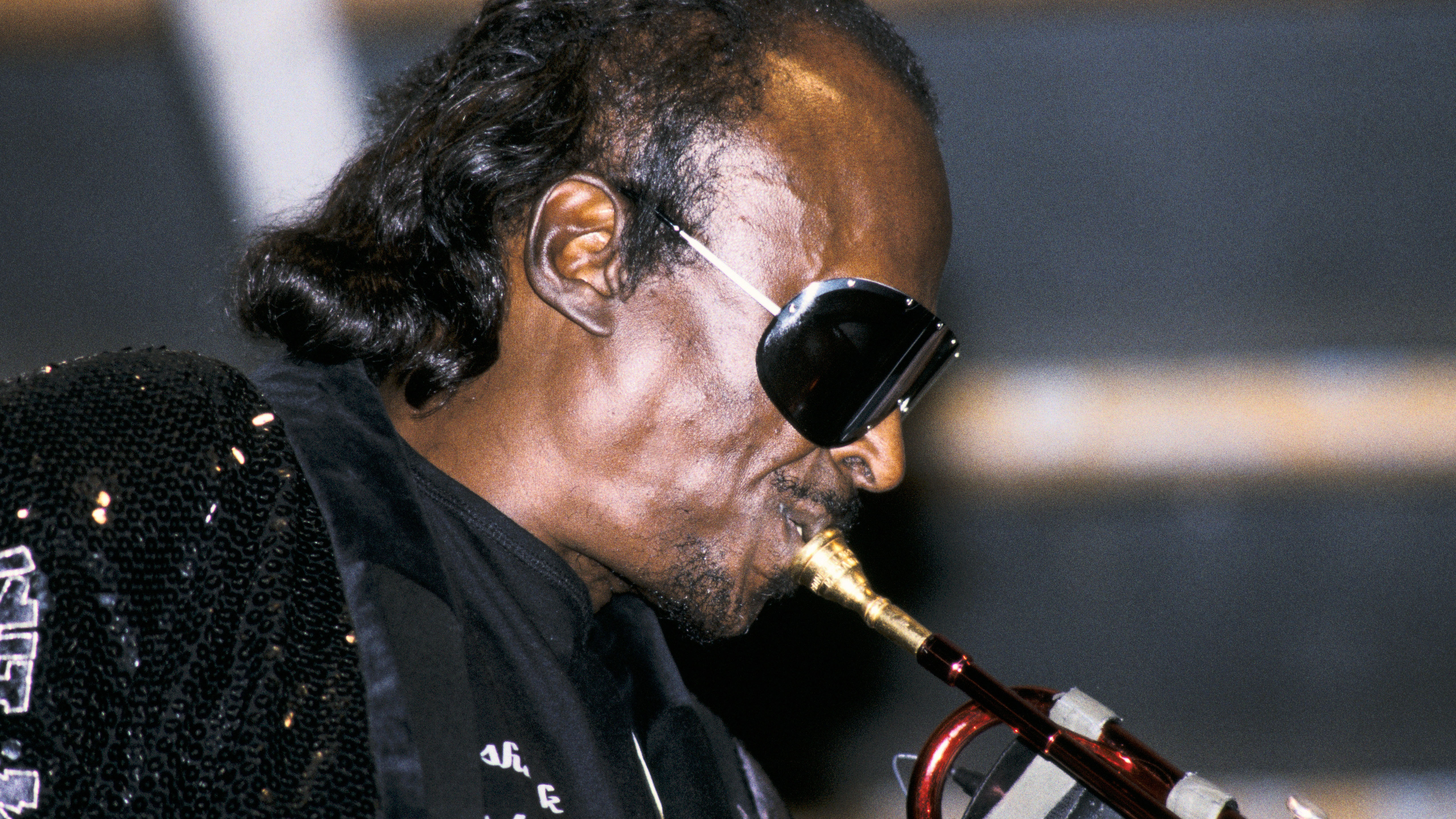
Steve Porcaro, Toto’s keyboardist and one of the architects of their sound, recalls the summer of ’86 as a time of personal and professional reinvention.
Newly divorced and deeply immersed in his work, Porcaro was navigating both life and music with a fresh perspective.
Toto had just released *Fahrenheit*, their first album with new lead singer Joseph Williams, who would later return to the band and contribute to what Porcaro calls his favorite Toto album.
The idea to bring Miles Davis into the project wasn’t random.
Davis had recently found renewed success with his cover of Michael Jackson’s “Human Nature,” which had been produced by Tommy LiPuma.
LiPuma wanted to foster a collaboration between Davis and Porcaro, hoping to capture a new creative spark.
“He wanted me to get together with Miles,” Porcaro explains, “and I had some ideas that were kind of similar to what he was doing.”
Though their initial attempts to merge their ideas didn’t quite click, the chemistry in the studio was undeniable.
The sessions took place at Jeff Porcaro’s home studio, just a block away from where Steve was speaking.
The band first met Miles at David Paich’s house, and from the start, Davis impressed with his cool, laid-back demeanor.
He requested some privacy with Steve to hear the musical ideas, and after a brief listening session, Davis was on board.

Jeff Porcaro’s home studio was a hub of creativity and camaraderie.
Although the house is no longer in the family, it once served as a sanctuary where bands could live and work intensively on albums.
It even operated as a business rental for groups wanting to immerse themselves in music-making without distractions.
Miles Davis and Jeff Porcaro quickly hit it off, exchanging musical ideas and artwork, and Davis loved hanging out with the band.
When asked to play on a track, Davis graciously agreed, lending his iconic trumpet sound to “Don’t Stop Me Now.”
This collaboration was a rare moment where jazz and rock seamlessly intertwined.
Davis’s signature muted trumpet added a haunting, soulful layer to the polished studio production that Toto was known for.
It was a testament to the open-mindedness of both artists, willing to explore beyond their usual genres.
Porcaro reflects on how much the music-making process has evolved since those days.
He fondly remembers the era when musicians gathered in the same room, bouncing ideas off one another, and nailing tracks in just one or two takes.
“There was the producer, the engineer, the artist — we played, we did it, and it was done,” he says.
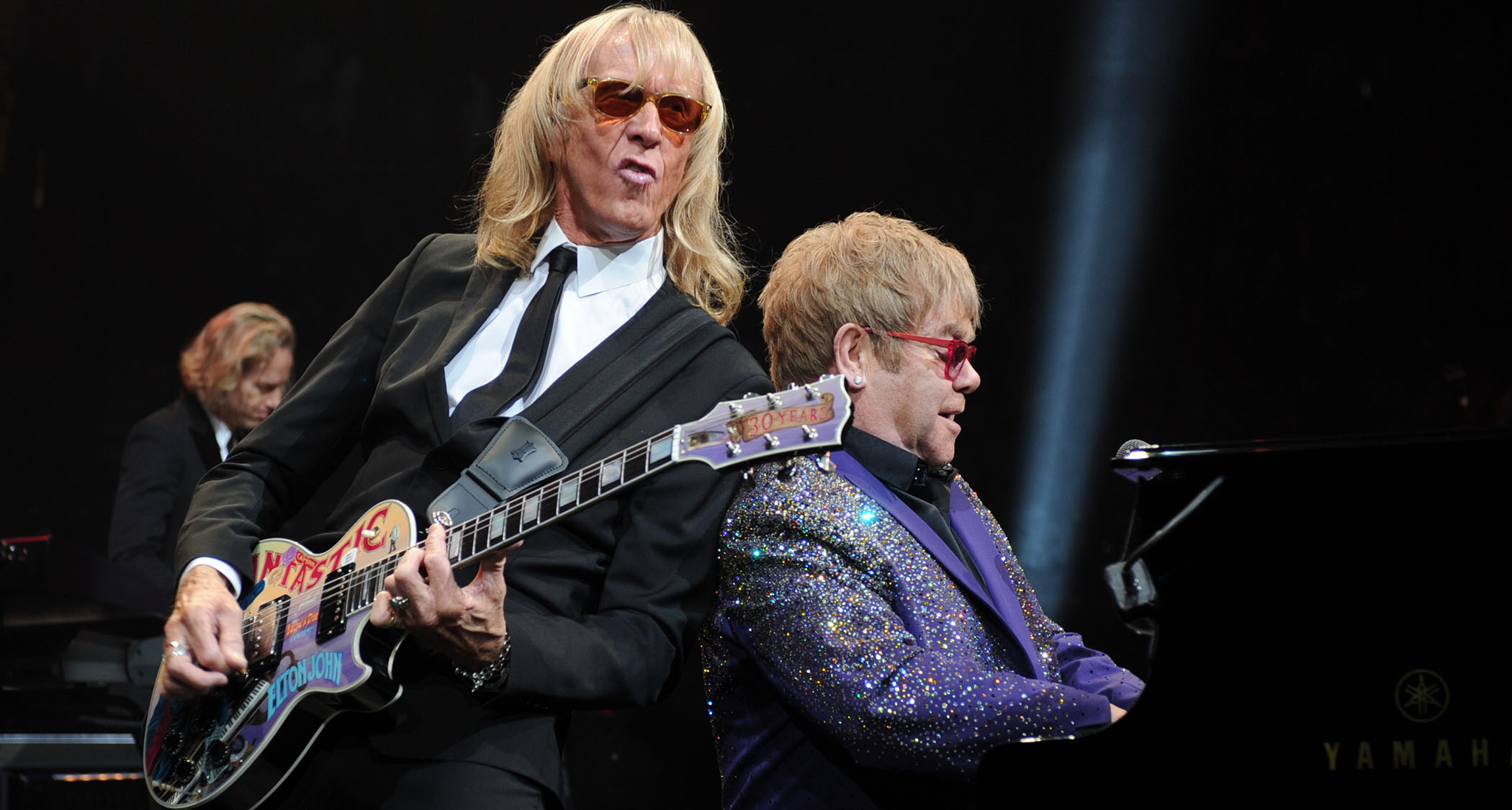
However, he acknowledges the shift to modern recording techniques where parts are often recorded remotely.
Despite the nostalgia, Porcaro embraces the new reality.
He describes how he sends demos to guitarists like Mike Landau and receives multiple creative takes back, often surprising him with ideas he wouldn’t have thought of in a traditional studio setting.
He also mentions working with drummer Shannon Forrest, who can take a simple two-bar drum pattern and transform it into a nuanced performance, all done remotely.
This flexibility has allowed Porcaro to focus on what he does best and collaborate with top-tier musicians without the need for everyone to be physically present.
Steve Porcaro’s story about working with Miles Davis is part of a larger narrative about the golden age of session musicians and the magic that happened when great talents crossed paths.
Toto themselves were legends in the studio world, not only for their own hits but also for backing artists like Michael Jackson on his solo albums.
Porcaro shares anecdotes about the early days of Toto, the pressure to reinvent themselves, and the making of iconic songs like “Rosanna.”
He also talks about the challenges and joys of working on projects like the Yes album *Union*, revealing the complexities behind the scenes of famous records.
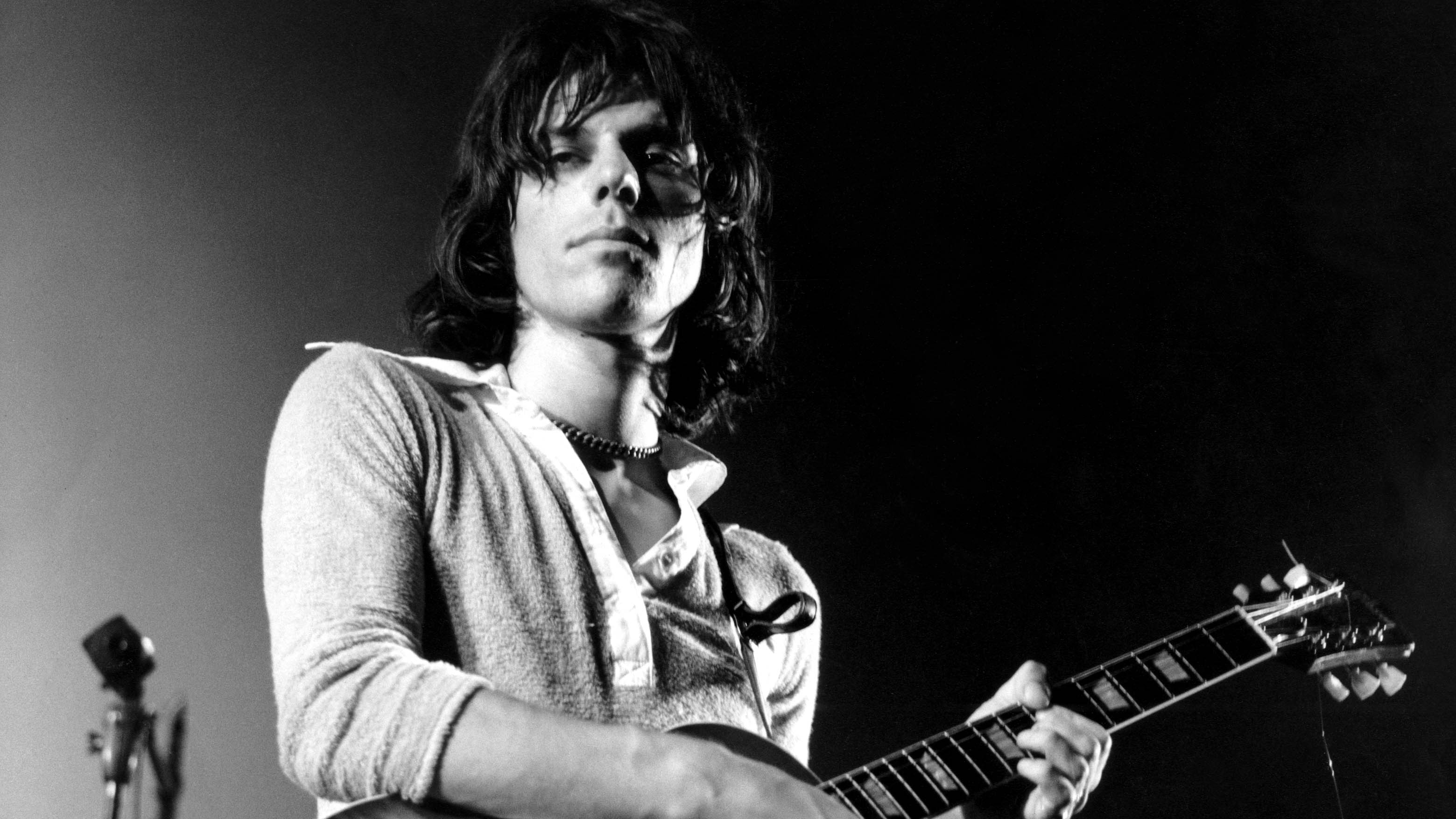
His reflections on the past and present highlight how music is a living art form, constantly evolving yet always rooted in collaboration, creativity, and mutual respect.
The secret session between Miles Davis and Toto in 1986 remains a fascinating chapter in music history.
It was a meeting of two worlds — jazz improvisation and studio precision — that produced something unique and memorable.
Though “Don’t Stop Me Now” may not be the most famous track in either artist’s catalog, it symbolizes the spirit of experimentation and the power of musical friendship.
For fans of both jazz and rock, this story offers a glimpse into a time when boundaries blurred, and legends came together to create art that transcended genres.
Miles Davis’s contribution to Toto’s *Fahrenheit* album is a reminder that music’s greatest moments often happen when artists dare to step outside their comfort zones and embrace the unexpected.
News
The Song that Bob Dylan Wrote About Elvis Presley
Bob Dylan and Elvis Presley are two of the most legendary figures in American music history. One is known as…
Raul Malo, Lead Singer of The Mavericks, has died at age 60
The music world is mourning the loss of Raul Malo, the charismatic lead singer of The Mavericks, who passed away…
At 69, Steve Perry Confessed This Was the Song He Couldn’t Finish
Steve Perry’s voice is one of rock’s most iconic and enduring sounds. As the lead singer of Journey, he gave…
Top 6 SHOCKING Things Axl Rose Said About Other Rock Legends!
Axl Rose, the legendary frontman of Guns N’ Roses, is known not only for his iconic voice and music but…
‘You Had ONE Job!’ How Powerman 5000 FUMBLED a Platinum Future
Powerman 5000’s story is one of bold creativity, underground buzz, and a dramatic crossroads that nearly derailed their ascent to…
‘He Knew Last Show Would Kill Him’ Ozzy Osbourne’s Final Moments | Sharon Osbourne Interview
Ozzy Osbourne, the legendary rock icon, cultural pioneer, and beloved family man, gave his final performance knowing it might be…
End of content
No more pages to load






