
In the mid-1990s, the music world was starkly divided.
On one side, rock and metal reigned with snarling guitars, thunderous drums, and raw energy that fueled mosh pits across the globe.
On the other, the burgeoning electronica scene pulsed with hypnotic synths, breakbeats, and the underground rave culture’s frenetic dance floors.
These two musical universes rarely intersected, each with their own devoted fan bases, cultural codes, and radio stations.
But then came *Spawn* — a 1997 movie with a soundtrack that dared to smash these worlds together in a way no one had ever seen before.
The idea of fusing disparate music genres wasn’t entirely new.
Four years earlier, the *Judgment Night* soundtrack had made waves by pairing rock and hip-hop legends for original collaborations.
Pearl Jam met Cypress Hill, Helmet teamed up with House of Pain, and Slayer joined forces with Ice-T.
The result was a game-changing album that proved the impossible: two seemingly opposite music cultures could create something fresh, vital, and exciting.
This success ignited the imagination of music supervisor Happy Walters, co-founder of Immortal Records, who sought to push the envelope further.
By the mid-90s, electronica was no longer underground; acts like The Prodigy, The Crystal Method, and Orbital were moving from illegal raves to festival main stages.
Walters had a bold vision: what if rock and electronica could be fused into a new, explosive hybrid?
The *Spawn* soundtrack was born from this audacity.
Walters took the blueprint of *Judgment Night* and cranked it up to eleven.
But this time, the experiment was to smash rock and electronica head-on.
The concept was simple yet daring: take a major rock or metal artist, pair them with a cutting-edge electronic producer, and force them to create an original track from scratch — no remixes, no recycled beats.
Walters personally approached bands he admired, pitching the wild idea and asking who they wanted to work with from the electronic scene.
Then, acting as a musical Cupid, he matched them up.
The results were a ’90s kid’s dream lineup: industrial rockers Filter paired with American big beat kings The Crystal Method; nu-metal pioneers Korn with the Dust Brothers; and Metallica’s legendary guitarist Kirk Hammett teamed with British techno duo Orbital.
![Spawn The Album – CD (Compilation, Stereo), 1997 [r1286590] | Discogs](https://i.discogs.com/Dz2G_lhn4Rgdvsyoj_vhF5qUwUPxhagZu917Am42MKY/rs:fit/g:sm/q:90/h:526/w:600/czM6Ly9kaXNjb2dz/LWRhdGFiYXNlLWlt/YWdlcy9SLTEyODY1/OTAtMTQwMzI2NTM2/NC03NjcyLmpwZWc.jpeg)
The creative sessions were anything but smooth.
The artists came from different worlds, with different approaches, and at times clashed over control and vision.
The result was music as varied as the collaborators themselves.
Filter and The Crystal Method’s *Trip Like I Do* became the soundtrack’s mission statement — a perfect fusion of Richard Patrick’s screaming vocals and The Crystal Method’s propulsive beats.
It wasn’t just a rock song with a drum machine or a dance track with a guitar sample; it was a true hybrid that captivated listeners.
Marilyn Manson, paired with the trip-hop group Sneaker Pimps for *The Long Road Out of Hell*, created a dark, moody track that became one of the album’s most popular songs.
Yet behind the scenes, tensions simmered, with the Sneaker Pimps feeling sidelined creatively, trading barbs with Manson in the press.
The collaboration between Kirk Hammett and Orbital on *Satan* was perhaps the most divisive.
The two sides fought for control, producing a jarring, repetitive piece that some called an unlistenable mess, while others hailed it as pure genius — exactly the chaotic experiment the project sought.
With 34 bands involved, the project was a logistical nightmare.
Many tracks never made the final album due to time constraints, including collaborations between Primus and Meatbeat Manifesto, and Morphine with Apollo 440.
The album’s tracklist shifted constantly, with different international versions featuring bonus tracks like punk icon Henry Rollins over Goldie’s frantic drum and bass beats.
When *Spawn: The Album* was released in July 1997, it was unlike anything else on the market.
The album wasn’t a polished playlist but a monstrous Frankenstein of sound — a wild collision of big beat, gothic rock, techno, and metal.
Fans were fascinated, and the album debuted at number seven on the Billboard 200.
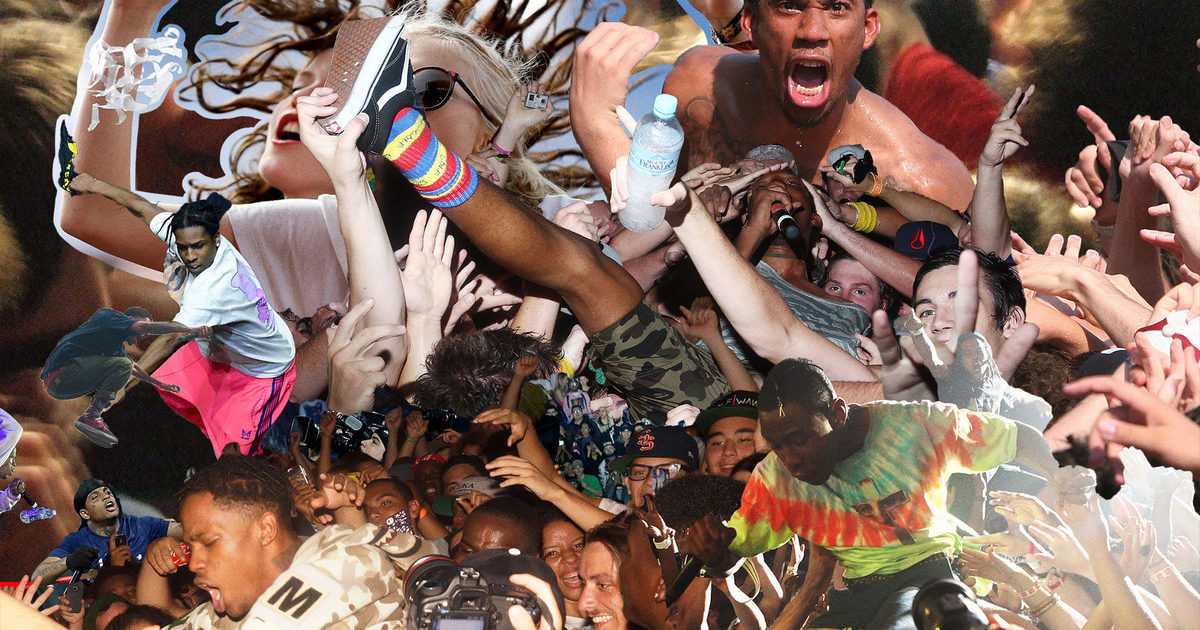
Though the *Spawn* movie received mixed reviews, the soundtrack’s influence endured.
It bridged the gap between skeptical rock fans and the electronic underground, proving that the energy of a mosh pit and a rave were not so different after all.
The album paved the way for the genre-bending nu-metal and electronic rock acts that would dominate the late ’90s and early 2000s, including bands like Linkin Park who perfected the fusion of rock and electronic textures.
*Spawn: The Album* didn’t invent the idea of genre fusion, but it broadcasted it to the world with a star-studded lineup impossible to ignore.
Over time, it has earned cult status as a time capsule from the last era before the internet flattened musical genres.
For Record Store Day 2024, the album was reissued on smoky red vinyl, a testament to its enduring appeal.
It is remembered not just as a soundtrack but as a landmark experiment that, against all odds, actually worked — capturing a moment when the worlds of rock and electronica collided in spectacular fashion, forever altering the musical landscape.
The *Spawn* soundtrack remains a thrilling chapter in music history, a testament to creative risk-taking and the power of collaboration across musical divides.
It proved that even the most unlikely pairings could create something timeless and influential — a true collision of the mosh pit and the rave that echoes to this day.
News
The Song that Bob Dylan Wrote About Elvis Presley
Bob Dylan and Elvis Presley are two of the most legendary figures in American music history. One is known as…

Raul Malo, Lead Singer of The Mavericks, has died at age 60
The music world is mourning the loss of Raul Malo, the charismatic lead singer of The Mavericks, who passed away…
At 69, Steve Perry Confessed This Was the Song He Couldn’t Finish
Steve Perry’s voice is one of rock’s most iconic and enduring sounds. As the lead singer of Journey, he gave…
Top 6 SHOCKING Things Axl Rose Said About Other Rock Legends!
Axl Rose, the legendary frontman of Guns N’ Roses, is known not only for his iconic voice and music but…
‘You Had ONE Job!’ How Powerman 5000 FUMBLED a Platinum Future
Powerman 5000’s story is one of bold creativity, underground buzz, and a dramatic crossroads that nearly derailed their ascent to…
‘He Knew Last Show Would Kill Him’ Ozzy Osbourne’s Final Moments | Sharon Osbourne Interview
Ozzy Osbourne, the legendary rock icon, cultural pioneer, and beloved family man, gave his final performance knowing it might be…
End of content
No more pages to load






