
Whitesnake, the legendary hard rock band led by the indomitable David Coverdale, is famous not only for its roaring anthems and chart-topping hits but also for a revolving door of world-class guitarists who came, shined, and then abruptly exited.

What’s the real story behind this musical merry-go-round? Strap in as we dive deep into the chaos, clashes, and controversies that made Whitesnake the band where guitarists either thrived or got fired—sometimes both!
David Coverdale formed Whitesnake in 1976 after leaving Deep Purple, initially naming it “David Coverdale’s Whitesnake.
” The early sound was steeped in bluesy, soulful rock, a far cry from the glam-metal spectacle the band would later become.
Coverdale brought in longtime friend Mickey Moody, a gifted blues guitarist known for his slide guitar prowess, to help shape this foundational sound.
Soon after, Bernie Marsden joined as the second guitarist, adding his own blues rock flavor and songwriting talents.
Marsden co-wrote some of Whitesnake’s earliest hits, including the iconic “Here I Go Again.
” However, both Moody and Marsden grew disillusioned with Coverdale’s evolving vision, particularly his flirtation with a glam-rock image, which clashed with their blues roots.
Despite their crucial contributions, both were eventually shown the door, victims of Coverdale’s relentless pursuit of a new direction.
In 1982, Mel Galley was brought in to inject a harder rock edge into Whitesnake’s sound.
A phenomenal player with a strong rock pedigree, Galley seemed like the perfect fit—until a wild rock-and-roll mishap changed everything.
While on tour in Germany, Galley’s ill-fated stunt off a fairground ride resulted in a severely broken arm, forcing him to quit mid-tour.
This bizarre injury made him the only Whitesnake guitarist to leave due to a carnival accident—rock ‘n’ roll roulette at its most literal.

The next major shift came in 1984 with the arrival of John Sykes, a guitarist who didn’t just join Whitesnake—he reinvented them.
Sykes’ aggressive, metal-infused playing propelled Whitesnake from bluesy pub rock to the full-blown Sunset Strip arena dominance.
His contributions to the 1987 self-titled album fueled the band’s biggest commercial success.
But here’s where the drama hits a fever pitch: despite Sykes’ massive role in Whitesnake’s breakthrough, Coverdale fired him before the album’s release.
Why? Coverdale wanted to be the undisputed boss, the sole driver of the band’s vision, and Sykes’ strong personality and creative input were apparently too much to handle.
In essence, Sykes built the rocket ship but was denied the launch.
Following Sykes’ exit, Vivian Campbell, fresh from his time with Dio, joined Whitesnake for the 1987 tour.
Campbell arrived with killer chops and zero tolerance for nonsense—qualities that made him quickly realize he wasn’t joining a band, but rather “David Coverdale and Associates LLC.
” His blunt assessment? The whole Whitesnake scene was “a joke,” more about image and photo shoots than genuine band camaraderie.
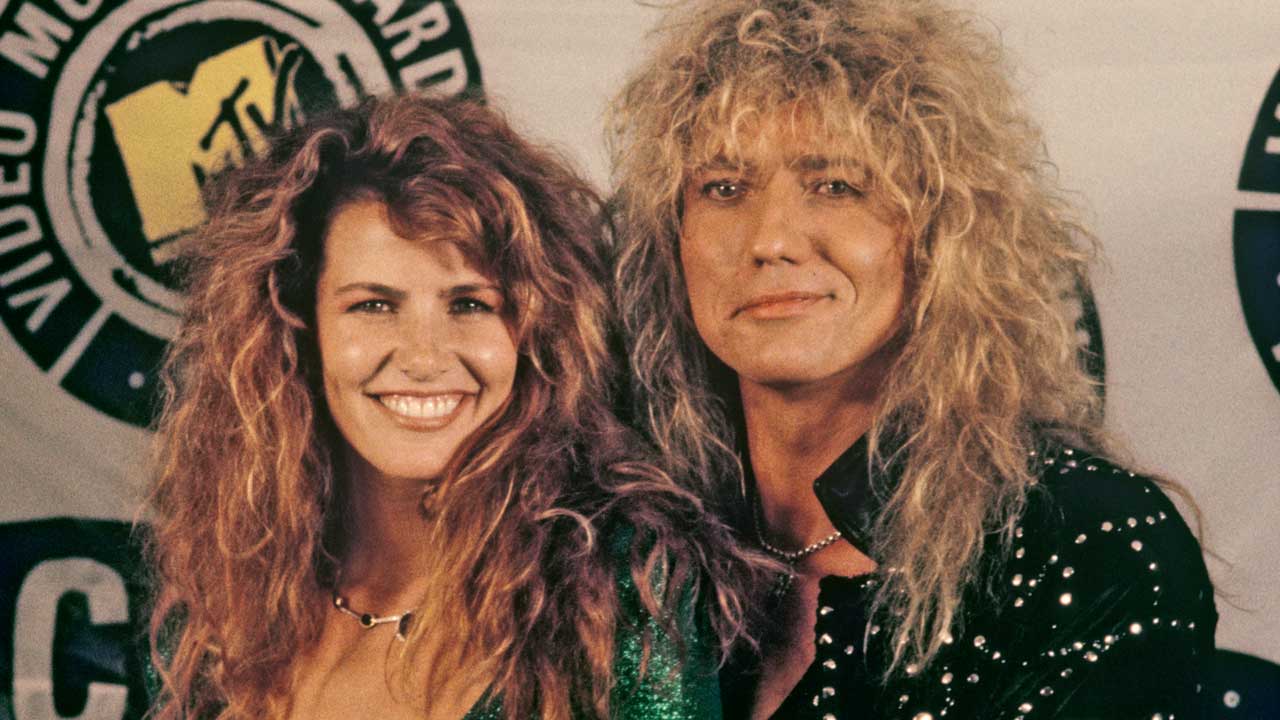
Campbell’s relationship with Coverdale soured further when management barred his wife from touring due to friction with Coverdale’s wife, Tonnie Kain.
This personal drama added fuel to the fire, and Campbell’s tenure was short-lived, another casualty in Whitesnake’s tumultuous guitarist saga.
From 1987 to 1991, Dutch guitarist Adrien Vandenberg lent his virtuoso skills to Whitesnake, famously playing the solo on the re-recorded “Here I Go Again.
” Loyal and classy, Vandenberg co-wrote many tracks on the *Slip of the Tongue* album.
However, a hand injury during recording sidelined him, and Coverdale quickly replaced him with none other than Steve Vai—a guitarist whose flashy, technical, and almost extraterrestrial style clashed wildly with Whitesnake’s blues-rock roots.
Vai’s incendiary solos were like fireworks in a Shakespeare play—spectacular but out of place.
His laser-like shredding polarized fans and bandmates alike.
Eventually, Vai departed, leaving Whitesnake once again searching for a guitarist who could strike the right balance between skill and style.
In the early 2000s, Whitesnake reformed with Doug Aldrich, whose blend of melodic sensibility and ’80s riffing brought a measure of stability.
Aldrich’s tenure was longer than many predecessors, but Coverdale’s high standards and intense workload eventually led Aldrich to leave for family reasons and other projects.
At the same time, Reb Beach joined, bringing a fusion of technical prowess and melodic playing.
Known for his professionalism and drama-free attitude, Beach adapted well to Coverdale’s management style, becoming the quiet MVP who cracked the secret to surviving Whitesnake: don’t argue, just shred.
Currently, Joel Hoekstra of Trans-Siberian Orchestra fame adds versatility and theatrical flair to Whitesnake’s guitar lineup.
Hoekstra’s technical skill and understanding of Whitesnake’s balance between showmanship and musicianship make him a fitting addition to the band’s ever-evolving soundscape.
Throughout Whitesnake’s rollercoaster history, one constant remains: David Coverdale is the undisputed central figure.
Musically, creatively, and visually, Whitesnake is Coverdale’s vision—and he demands absolute control.
Many guitarists found themselves as hired guns rather than true collaborators, often hired or fired based on looks as much as talent, especially during the MTV era.
Coverdale’s reputation for being hard to please in the studio and his insistence on rebranding the band’s lineup post-1985 meant no guitarist was ever truly safe.
The band was his Ferrari, and he refused to share the driver’s seat.
From the bluesy roots with Moody and Marsden to the metal reinvention with Sykes, and the flashy alien invasion of Vai, Whitesnake’s guitarists have experienced a wild spectrum of styles, personalities, and dramas.
Some left due to injuries, others due to creative clashes, and many because Coverdale’s vision brooked no dissent.
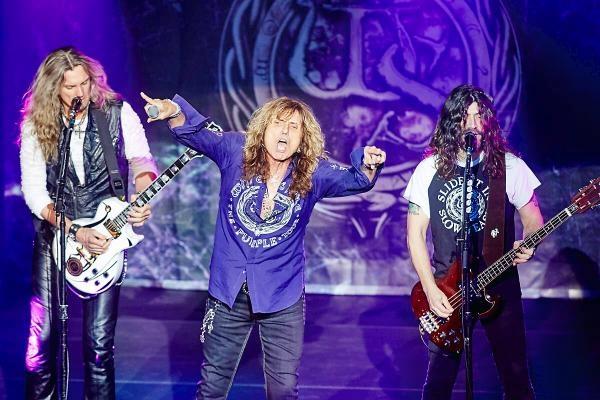
Fans debate endlessly: Was John Sykes the tragic genius who deserved more credit? Did Vivian Campbell’s honesty seal his fate? Or did Reb Beach’s quiet professionalism finally crack the Whitesnake code?
Whitesnake’s history is a saga of musical brilliance, personal drama, and relentless pursuit of perfection under David Coverdale’s iron rule.
The revolving door of guitarists is not just a list of departures—it’s a story of ambition, ego, loyalty, and survival in one of rock’s most enduring bands.
For every guitarist who left, another stepped in, each adding their own chapter to Whitesnake’s legacy.
And through it all, Coverdale remains the boss, the brand, and the bouncer—making Whitesnake the ultimate test of a guitarist’s talent and patience.
News
The Song that Bob Dylan Wrote About Elvis Presley
Bob Dylan and Elvis Presley are two of the most legendary figures in American music history. One is known as…

Raul Malo, Lead Singer of The Mavericks, has died at age 60
The music world is mourning the loss of Raul Malo, the charismatic lead singer of The Mavericks, who passed away…
At 69, Steve Perry Confessed This Was the Song He Couldn’t Finish
Steve Perry’s voice is one of rock’s most iconic and enduring sounds. As the lead singer of Journey, he gave…

Top 6 SHOCKING Things Axl Rose Said About Other Rock Legends!
Axl Rose, the legendary frontman of Guns N’ Roses, is known not only for his iconic voice and music but…

‘You Had ONE Job!’ How Powerman 5000 FUMBLED a Platinum Future
Powerman 5000’s story is one of bold creativity, underground buzz, and a dramatic crossroads that nearly derailed their ascent to…
‘He Knew Last Show Would Kill Him’ Ozzy Osbourne’s Final Moments | Sharon Osbourne Interview
Ozzy Osbourne, the legendary rock icon, cultural pioneer, and beloved family man, gave his final performance knowing it might be…
End of content
No more pages to load






