
In 2012, one of progressive metal’s most revered bands, Queensrÿche, found itself embroiled in a bitter internal conflict that shocked fans and the music industry alike.

The drama culminated in two separate bands touring simultaneously under the same name, Queensrÿche, each fronted by rival factions.
At the heart of this turmoil was the firing of Geoff Tate, the band’s iconic lead singer, and a series of backstage confrontations and lawsuits that would fracture the band’s legacy.
Queensrÿche was born in the early 1980s in Bellevue, Washington, initially under names like The Mob.
The band found its definitive lineup when they recruited Geoff Tate as their lead vocalist.
Unlike many metal bands of the time focused on fantasy or party themes, Queensrÿche distinguished themselves by crafting intelligent, complex concept albums.
Their 1988 masterpiece, *Operation: Mindcrime*, is widely regarded as one of the greatest concept albums ever made, cementing their place in progressive metal history.
The follow-up album *Empire* in 1990 brought them commercial success with hits like “Silent Lucidity,” proving that thoughtful metal could also dominate the charts.
For a time, the band was a creative brotherhood, conquering the music world on their own terms.
Despite their success, tensions simmered beneath the surface.
In a 1990 interview, guitarist Chris DeGarmo expressed mixed feelings about the band, describing a love-hate relationship with his bandmates.
By the mid-1990s, according to guitarist Michael Wilton, Geoff Tate began to show dissatisfaction with the band’s direction.

The first major shakeup came in 1997 when co-founder and key songwriter Chris DeGarmo left the band, citing burnout and creative differences.
His departure left a significant void and altered the band’s dynamic permanently.
As the band struggled to maintain its creative momentum without DeGarmo, Tate’s influence grew stronger.
In 2005, his wife Susan Tate became the band’s manager, a decision that reportedly caused friction.
According to Wilton, Eddie Jackson, and Scott Rockenfield, the band’s democracy was undermined as Tate and his wife increasingly controlled the band’s business decisions.
The situation worsened when Parker Lundgren, who was dating Tate’s stepdaughter, joined the band in 2009.
Legal filings from the other members accused Susan Tate of mismanaging the band’s finances and funneling money through Queensrÿche’s accounts for other projects, which deepened mistrust and resentment.
Tensions reached a boiling point on April 14, 2012, before a show in São Paulo, Brazil.
Just days earlier, the band had fired Susan Tate as manager and Tate’s stepdaughter from the fan club.
According to Tate, drummer Scott Rockenfield taunted him by saying, “We just fired your whole family and you’re next.” This led to a violent confrontation.
The band members alleged that Tate became physically aggressive, spitting in Rockenfield’s face, throwing over his drum kit, and punching guitarist Michael Wilton.
The fight was so intense that security had to separate Tate from the other members for the entire show.
Video footage from the night appeared to show Tate spitting during the performance.
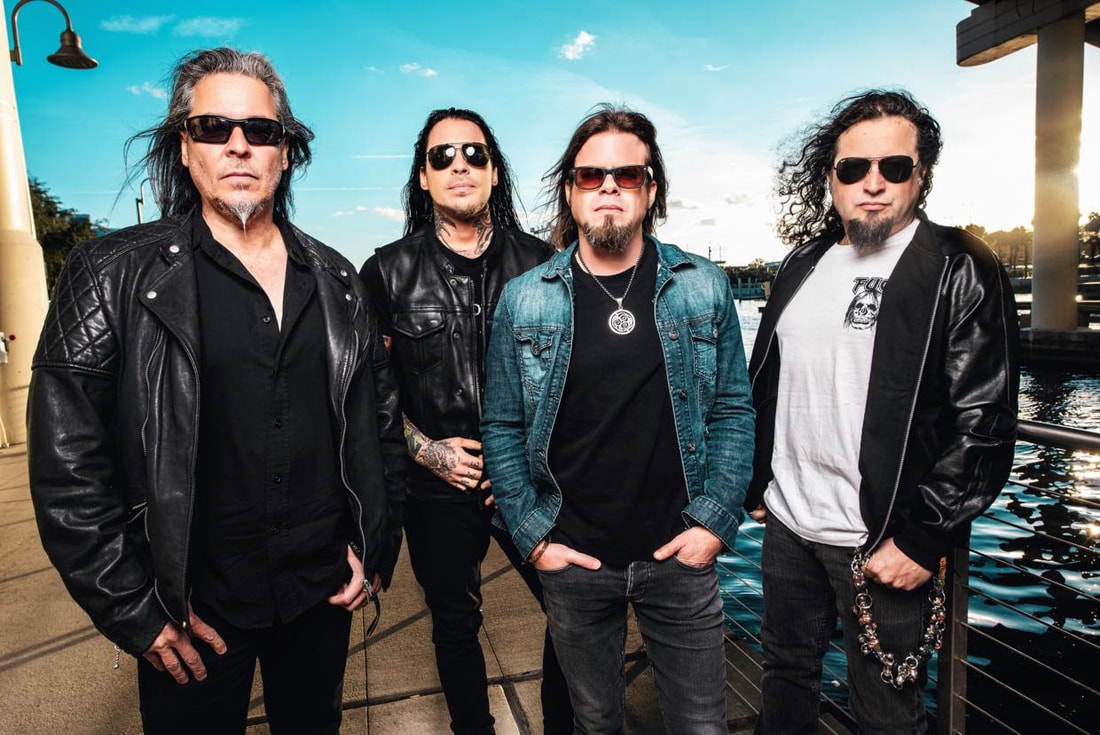
This incident shattered any remaining trust. Wilton, Jackson, and Rockenfield declared they could no longer work with Tate.
Following the Brazil incident, the band finished the tour but the atmosphere was toxic.
On June 5, 2012, the remaining members officially voted to fire Geoff Tate.
They quickly recruited Todd La Torre as the new lead singer.
Tate and his wife responded by filing a lawsuit for wrongful termination and claiming ownership of the Queensrÿche name.
A judge’s initial ruling resulted in an unusual compromise: both bands were allowed to tour and record under the Queensrÿche name until a final legal decision.
For two years, two Queensrÿche bands existed simultaneously. Tate’s version featured all-star musicians from other famous bands and released *Frequency Unknown* in 2013.
Meanwhile, the original band members released their own self-titled album.
The legal battle ended with the court ruling that Tate could no longer use the Queensrÿche name but retained the right to perform the band’s classic material.
Wilton, Rockenfield, and Jackson continued as Queensrÿche with La Torre as vocalist.

Geoff Tate described his firing as a “punch to the side of the head” and expressed shock at the court’s decision.
He lamented the lack of a proper conversation before being severed from the band he helped build.
Post-split, Tate formed a new band called Operation: Mindcrime and released several albums, continuing to celebrate Queensrÿche’s iconic music.
The split divided fans. Some sided with Tate, viewing him as the heart of Queensrÿche, while others sympathized with the remaining members who felt creatively and financially sidelined by Tate’s family’s involvement.
Chris DeGarmo, in interviews, expressed relief at being free from the band’s internal politics and restrictions, emphasizing that the original philosophy of limitless creativity had been lost.
The band continued with new members, but legal disputes persisted.
In 2021, Scott Rockenfield filed a lawsuit against Wilton and Jackson over contract issues, which was eventually settled out of court.
Today, Queensrÿche tours with Wilton, Jackson, and La Torre, while Geoff Tate continues to perform as a solo artist and with Operation: Mindcrime.

The downfall of Queensrÿche is a classic story of how internal politics, family involvement, and creative differences can destroy even the most successful musical dynasties.
What began as a brotherhood united by groundbreaking music ended with lawsuits, backstage brawls, and a fractured legacy.
This saga reminds us that behind the music are human relationships vulnerable to greed, mistrust, and resentment.
For Queensrÿche, the slow decay started with a key member’s departure, worsened as business and family blurred, and exploded in a moment of violence that made reconciliation impossible.
Was firing Geoff Tate justified, or did the band mishandle a difficult situation? Fans continue to debate, but the story remains a powerful lesson in the fragility of creative partnerships.
News
The Song that Bob Dylan Wrote About Elvis Presley
Bob Dylan and Elvis Presley are two of the most legendary figures in American music history. One is known as…
Raul Malo, Lead Singer of The Mavericks, has died at age 60
The music world is mourning the loss of Raul Malo, the charismatic lead singer of The Mavericks, who passed away…
At 69, Steve Perry Confessed This Was the Song He Couldn’t Finish
Steve Perry’s voice is one of rock’s most iconic and enduring sounds. As the lead singer of Journey, he gave…
Top 6 SHOCKING Things Axl Rose Said About Other Rock Legends!
Axl Rose, the legendary frontman of Guns N’ Roses, is known not only for his iconic voice and music but…
‘You Had ONE Job!’ How Powerman 5000 FUMBLED a Platinum Future
Powerman 5000’s story is one of bold creativity, underground buzz, and a dramatic crossroads that nearly derailed their ascent to…
‘He Knew Last Show Would Kill Him’ Ozzy Osbourne’s Final Moments | Sharon Osbourne Interview
Ozzy Osbourne, the legendary rock icon, cultural pioneer, and beloved family man, gave his final performance knowing it might be…
End of content
No more pages to load






