
What If You Tried to Survive 24 Hours on Mars—Without a Spacesuit?
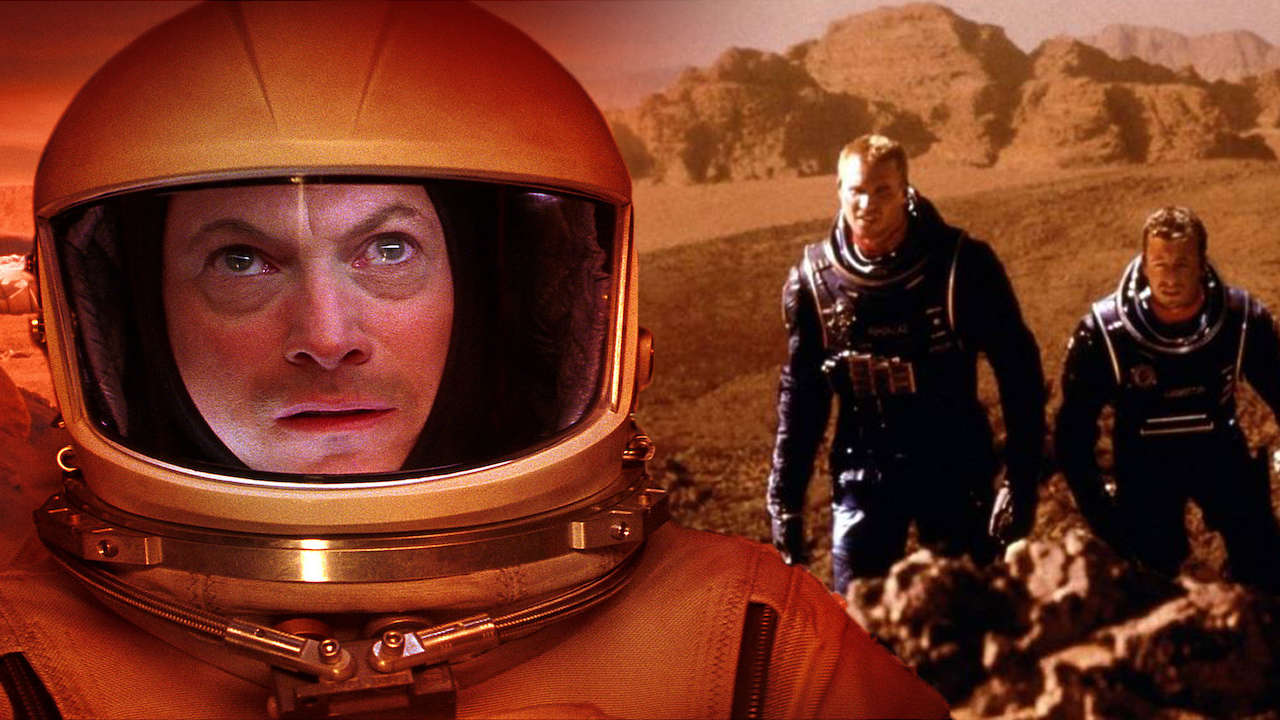
We’ve all seen it in science fiction films—the brave hero steps foot on an alien planet, facing dangerous environments with no spacesuit or protection.
It seems like an adventurous leap into the unknown, but is it really something we could survive?
If you were to attempt to survive 24 hours on Mars without a spacesuit, how long would you last? Spoiler: not long at all.
The reality of surviving on Mars is far more extreme than any fictional narrative could convey, and understanding why requires a deep dive into the harsh conditions of the Red Planet.
The Harsh Reality of Mars

Mars has long fascinated humanity. With its striking red hue, proximity to Earth, and many similarities, it’s the planet we most often dream of colonizing.
But that dream comes with a major caveat: Mars is an incredibly hostile environment for life as we know it.
The key to understanding why surviving on Mars without a spacesuit is impossible lies in the conditions that make Mars a deadly place.
Let’s break down the elements that would make surviving even a few minutes—let alone 24 hours—without a spacesuit on Mars an unimaginable nightmare.
1. Atmosphere (Or Lack Thereof)
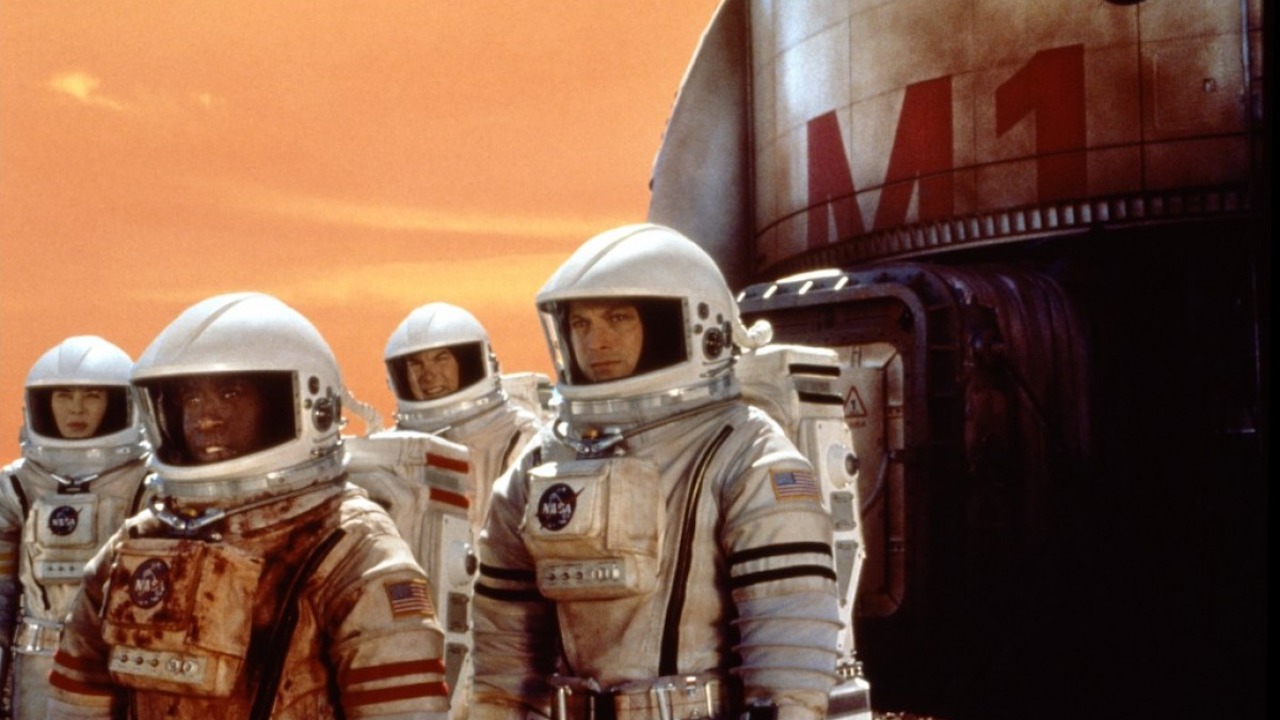
The first and most immediate problem is that Mars has an atmosphere so thin, it’s barely noticeable. The planet’s atmosphere is 100 times thinner than Earth’s, composed mainly of carbon dioxide (95%), with only trace amounts of nitrogen and oxygen.
That means there is almost no breathable air. The atmosphere on Mars is so thin that it is incapable of supporting life as we know it, and it cannot protect you from harmful solar radiation.
Without a spacesuit, you would be unable to breathe the carbon dioxide-filled air, and within minutes, you would begin to suffocate.
Your body would struggle to get enough oxygen, leading to confusion, dizziness, and eventually unconsciousness, long before you could even imagine lasting 24 hours.
2. Atmospheric Pressure

In addition to the lack of breathable air, Mars also has incredibly low atmospheric pressure.
On Earth, we’re accustomed to the pressure of the atmosphere pushing down on us, but on Mars, the air pressure is less than 1% of what it is here.
This means that any liquid in your body, including the water in your cells, would begin to vaporize due to the lack of pressure.
Your blood would start to boil at the temperature of your body, even though the actual temperature is freezing cold.
This phenomenon, known as “boiling point depression,” occurs because the pressure is so low that the normal boiling point of bodily fluids—such as the water in your blood—would be lower than your body temperature, which would cause severe internal damage.

In fact, the lack of pressure would effectively kill you within minutes of exposure.
3. Extreme Temperatures
Mars is freezing. The average surface temperature on the Red Planet hovers around minus 80 degrees Fahrenheit (minus 60 degrees Celsius), but it can fluctuate drastically, dropping as low as minus 195 degrees Fahrenheit (minus 125 degrees Celsius) near the poles.
Even in the warmer regions, temperatures rarely rise above freezing.
Without the protection of a spacesuit, you would be exposed to these freezing conditions. Hypothermia would set in almost immediately, causing your body temperature to plummet.

With no way to regulate your body temperature, frostbite would begin to develop in your extremities, and within a short time, your body would lose the ability to function.
The cold would quickly overwhelm you, even if you somehow managed to survive the first few minutes of suffocation.
4. Radiation Exposure
Mars lacks a protective magnetic field like Earth’s, which means it is bombarded by high levels of cosmic radiation from the Sun.
This radiation is deadly for humans without proper protection. On Earth, our atmosphere and magnetic field shield us from these harmful rays, but on Mars, there is no such defense.
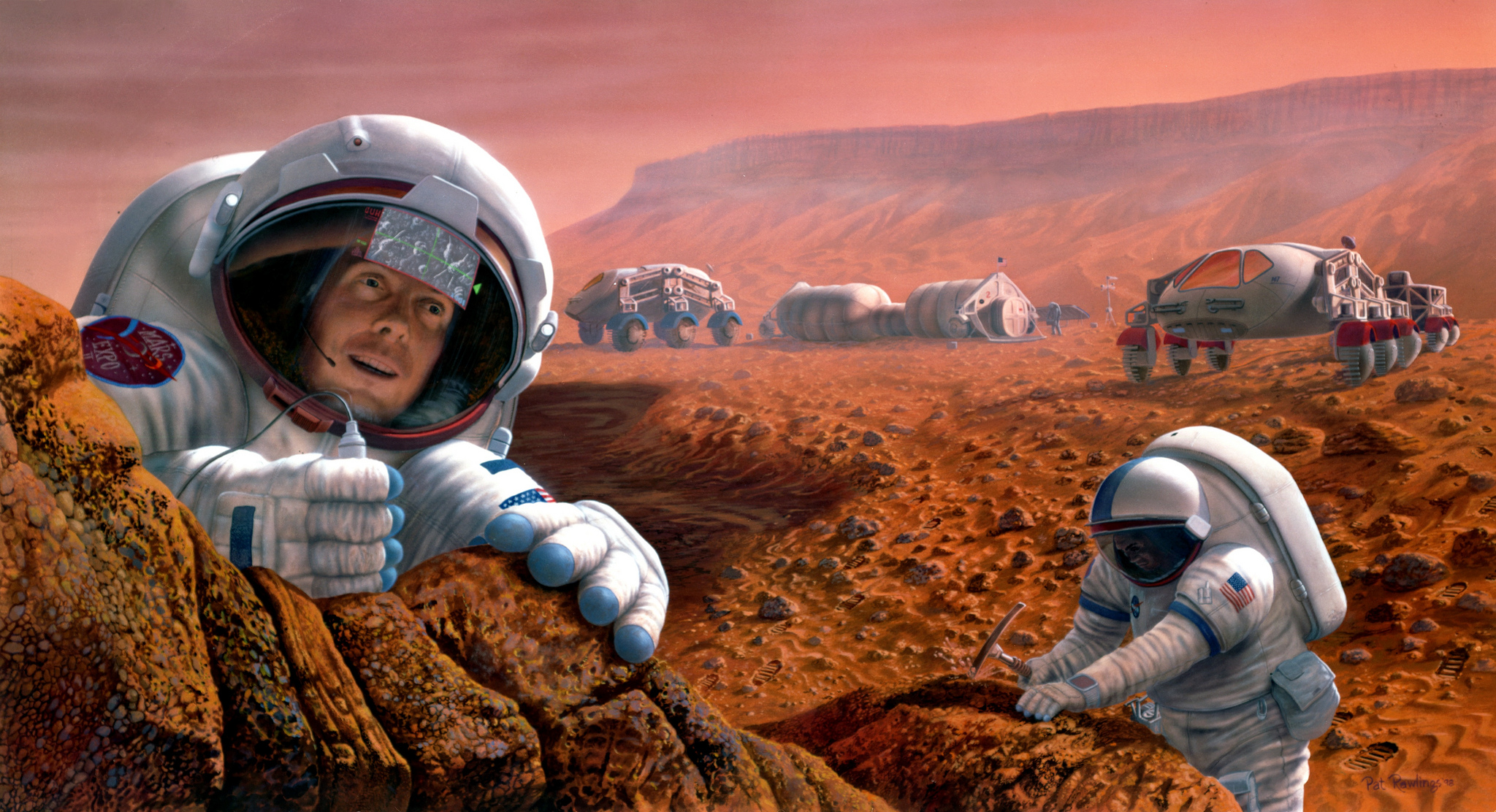
Without a spacesuit, you would be directly exposed to this radiation, which would quickly damage your cells and DNA.
In the short term, this could lead to acute radiation sickness, with symptoms such as nausea, vomiting, and diarrhea.
Over time, this exposure could lead to more severe consequences, including cancer and organ failure.
5. Lack of Water and Food
Even if you could somehow manage to survive the immediate effects of atmospheric pressure, lack of oxygen, and extreme cold, there is still the issue of food and water.
Mars has no liquid water on its surface—only frozen water trapped in its polar ice caps or underground.
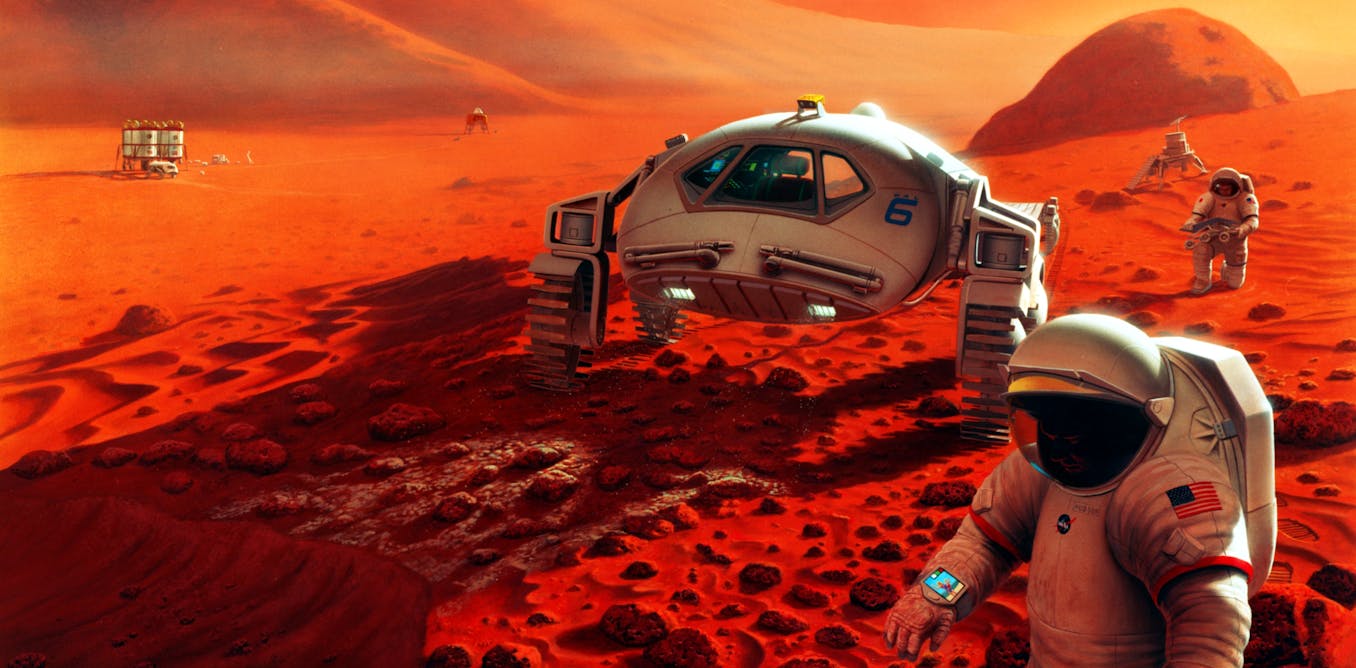
There are no plants or animals to provide food. In essence, you would have no way to sustain yourself for 24 hours.
Your body would begin to shut down from dehydration and hunger. While the human body can survive for some time without food, the absence of water would lead to death far more quickly.
You would become severely dehydrated within a matter of hours, and your organs would begin to fail as they were deprived of the water necessary to keep them functioning.
The Bottom Line: A One-Way Ticket
In short, surviving on Mars without a spacesuit for 24 hours is not just improbable—it’s impossible.
Mars is an unforgiving and inhospitable planet that offers no shelter from its extreme temperatures, suffocating atmosphere, and dangerous radiation.
Without the protection of a spacesuit, you would be subjected to the very worst of the planet’s hostile environment: suffocation, freezing temperatures, and the eventual breakdown of your body due to radiation and dehydration.

To think that a human could survive on Mars without the proper equipment is to misunderstand just how truly dangerous the Red Planet is.
While space exploration and the dream of colonizing Mars are exciting, they also come with real risks that require extreme measures of safety, technology, and preparation.
NASA and other space agencies are developing advanced spacesuits, habitats, and technology to ensure that, one day, humans may be able to survive and even thrive on Mars—but doing so without proper gear is a death sentence.
The Future of Mars Exploration
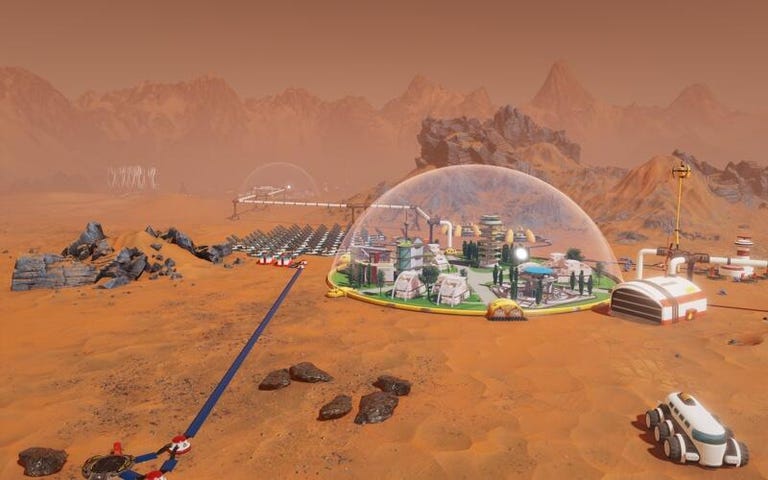
While the idea of walking on Mars without a spacesuit is purely speculative and would result in certain death, the future of Mars exploration remains bright.
We are continuing to develop the technology necessary to explore the planet safely.
Space agencies around the world are focused on making human life possible on Mars, and the advancements in space travel are moving at a rapid pace.
As we continue to develop new technologies and strategies for surviving in harsh environments, humanity’s dream of one day walking on Mars may one day come true—though it will require much more than just courage; it will require science, engineering, and innovation.
In the meantime, it’s safe to say that unless we figure out a way to solve the many environmental challenges of Mars, stepping foot on the Red Planet without a spacesuit remains a deadly and impossible feat.
For now, we can only marvel at its beauty from afar, knowing that any attempts to survive unprotected are doomed from the start.
.
.
.
.
.
.
.
.
.
.
.
.
.
.
.
.
.
.
.
.
.
.
.
.
.
News

Ryan Clark DESTROYS Dan Orlovsky For Coming At Shedeur Sanders!
It began like any other calm afternoon in ESPN’s glittering studio — a casual chat about “generational quarterbacks.” But within…

🧿 “Scientists at CERN Accidentally Unlocked Another Universe — and It’s Watching Us Back 👁️🌀”
WORLD STUNNED — CERN’S QUANTUM SIMULATION JUST DISCOVERED EVIDENCE OF A MYSTERIOUS NEW WORLD Inside a fortified complex beneath the…

🧿🚨 Before His Last Breath, Astronaut Charles Duke SHOCKS World by Revealing What NASA HID on the Moon — The Dark, Hidden Truth That Could Change Everything We Know About Space Exploration! 🌕👽
Before His Last Breath, Astronaut Charles Duke SHOCKS World by Revealing What NASA HID on the Moon — The Dark,…

🧿✈️ Before He Dies, Rick Gillespie Reveals the SHOCKING Location Where Amelia Earhart’s Plane Was REALLY Found — The Hidden Truth That Could Rewrite Aviation History Forever! 🌍🕵️♂️
Before He Dies, Rick Gillespie Reveals the SHOCKING Location Where Amelia Earhart’s Plane Was REALLY Found — The Hidden Truth…

🧿🤖 Voynich Manuscript FINALLY Decoded by AI — The SHOCKING and DARK Secrets Hidden for Centuries That Authorities Didn’t Want You to Know! 📜🕵️♂️
Voynich Manuscript FINALLY Decoded by AI — The SHOCKING and DARK Secrets Hidden for Centuries That Authorities Didn’t Want You…

🧿 AI JUST TRANSLATED ANCIENT SUMERIAN TEXTS — THE SHOCKING REVELATIONS THAT COULD COMPLETELY REWRITE HISTORY AS WE KNOW IT 🌍📜🔥
🧿 AI JUST TRANSLATED ANCIENT SUMERIAN TEXTS — THE SHOCKING REVELATIONS THAT COULD COMPLETELY REWRITE HISTORY AS WE KNOW IT…
End of content
No more pages to load






