
Reveals the behind-the-scenes conflicts, personal struggles, and creative rifts that pushed major Grey’s Anatomy stars to walk away from the series.
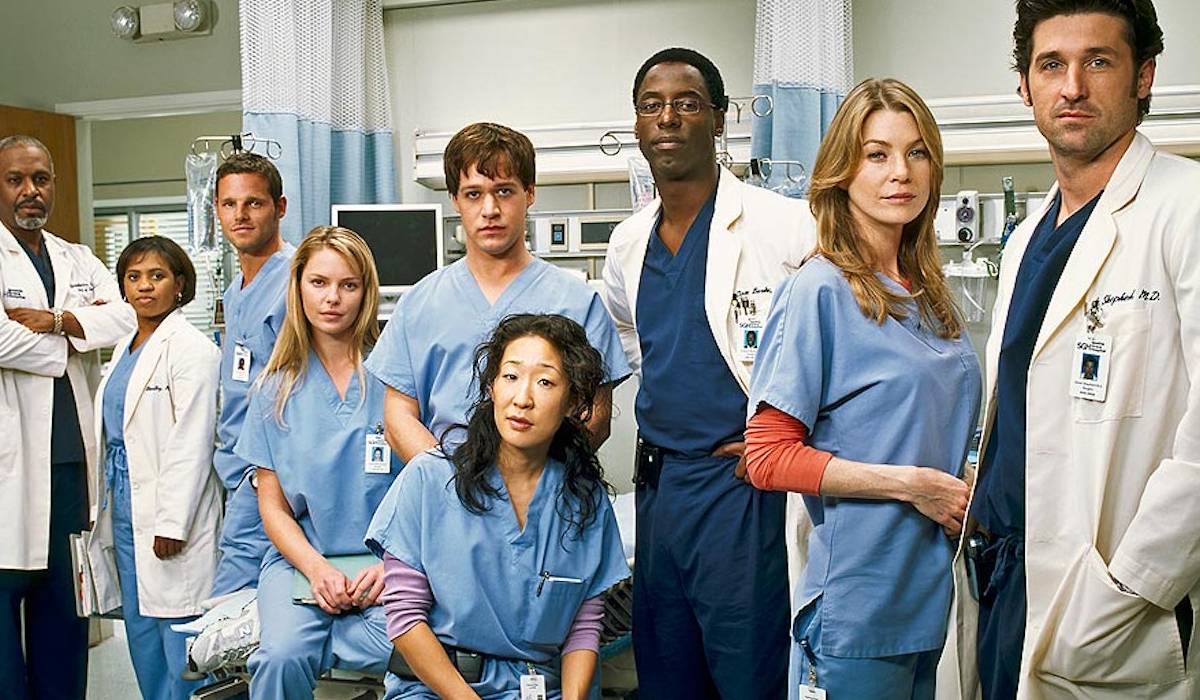
For nearly two decades, *Grey’s Anatomy* has been one of television’s most enduring medical dramas, a cultural phenomenon built on love triangles, heartbreak, and surgical miracles. But the real drama has never been confined to the operating rooms of Grey Sloan Memorial.
Behind the camera, the show has survived contractual wars, private battles, shifting loyalties, and explosive exits from some of its biggest stars—departures that stunned viewers and reshaped the series again and again.
What really happened when beloved characters walked away? The truth is far more tangled, emotional, and high-stakes than anything written into the script.
From day one, *Grey’s Anatomy* was designed around Meredith Grey, played by Ellen Pompeo, but the ensemble quickly became a constellation of rising stars whose chemistry fueled the series’ early success.
Katherine Heigl, Patrick Dempsey, Sandra Oh, Justin Chambers, and others turned the show into a phenomenon, but rapid fame brought pressure, competition, and friction.
As the series evolved from a breakout hit into a long-term franchise, the tension between creative direction, personal ambition, and production realities began to reshape its internal landscape.
Katherine Heigl’s exit remains one of the most contentious in television history.
Initially one of the show’s brightest talents—and an Emmy winner—Heigl became the center of industry gossip after withdrawing her name from Emmy consideration and making pointed comments about the quality of the show’s writing.
Behind the scenes, relationships frayed as her public statements stirred backlash. Producers struggled to reconcile her rising film career with increasing on-set absences and scheduling conflicts.
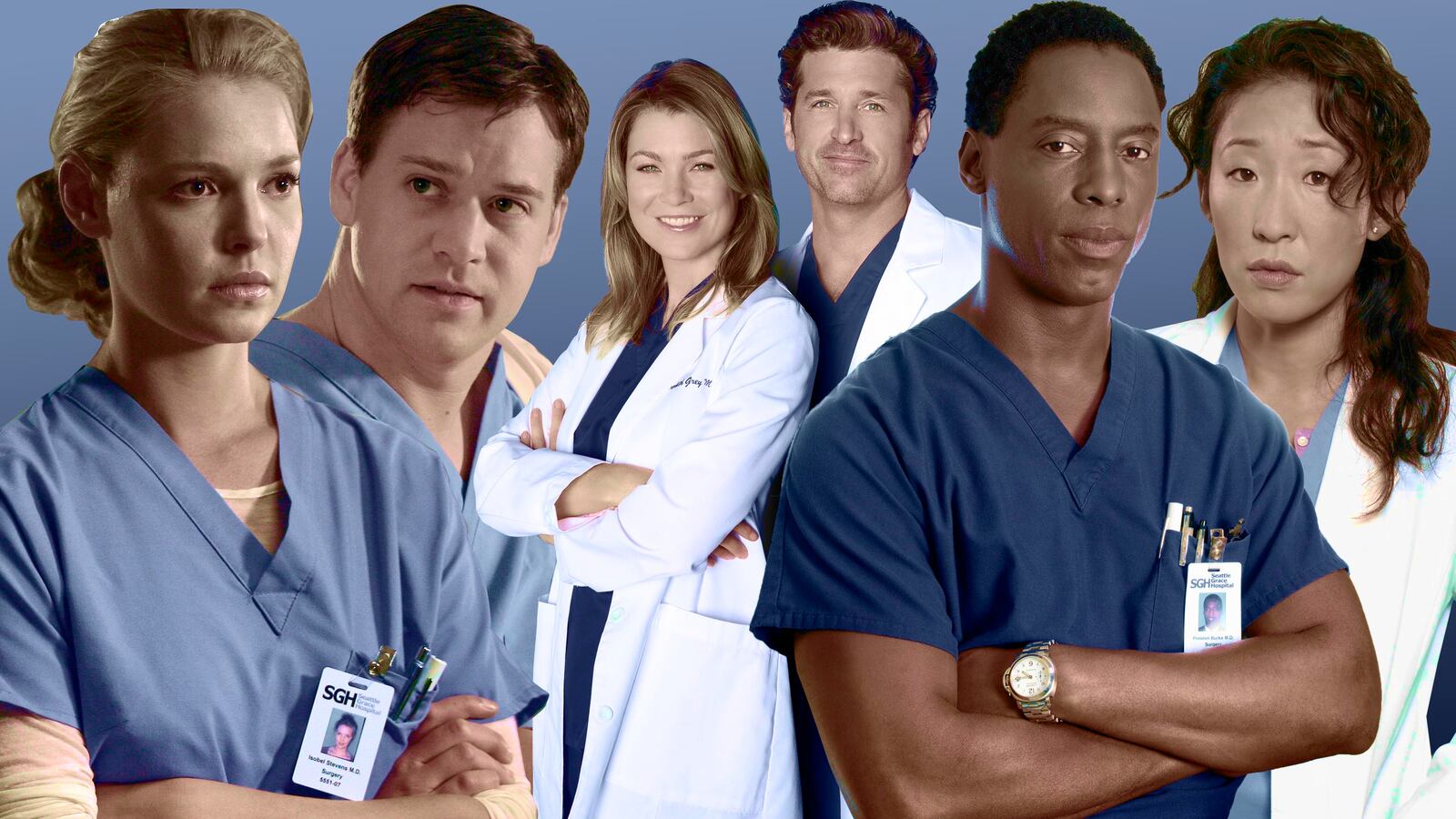
Ultimately, the decision to write Izzie Stevens out came amid a breakdown in communication between the actress and show leadership, a slow-motion fracture that played out under the intense scrutiny of the entertainment press.
Patrick Dempsey’s departure was even more shocking, not only because he was the show’s leading man, but because his exit happened swiftly and dramatically.
While official narratives framed his character’s death as a creative decision, internal reports described escalating tensions between Dempsey and showrunner Shonda Rhimes.
Sources close to the production spoke of disagreements over scheduling, on-set behavior, and Dempsey’s fatigue with the long hours demanded by network television.
Whatever the precise combination of factors, the fallout resulted in one of the most abrupt and controversial storylines in the series’ history—killing off Derek Shepherd in a way that left fans stunned and polarized.
Sandra Oh’s exit, though comparatively peaceful, was no less emotional. After ten seasons as Cristina Yang, Oh approached the end of her contract with a clear conviction that her character’s arc had reached its natural conclusion.
Unlike other departures marred by conflict, Oh worked closely with writers to craft her farewell, ensuring Cristina’s send-off honored both the character’s legacy and her relationship with Meredith.
Yet her decision underscored a deeper truth felt by many long-time cast members: the demands of a multi-season network drama can be both career-defining and personally taxing.
Oh left in pursuit of new creative challenges, but her exit created a void the series struggled to fill for years.
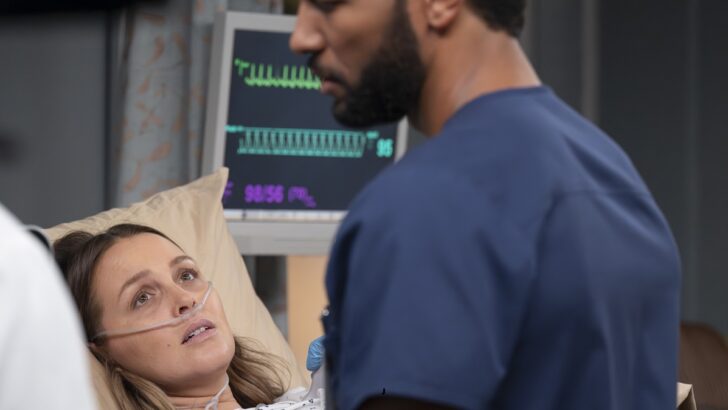
Other departures came with less fanfare yet carried their own complicated motivations. Sara Ramirez stepped back from Callie Torres at a moment when the actress was reevaluating her professional and personal priorities.
Jessica Capshaw and Sarah Drew were written out during a major creative reboot initiated by ABC, a decision framed as narrative strategy rather than performance-related. Eric Dane left during a difficult period following personal tragedy, seeking space to recalibrate.
And Justin Chambers’ quiet, unexpected exit after 15 years left the production scrambling to close Alex Karev’s story with limited material, resulting in an off-screen arc that generated intense debate among loyal fans.
The thread connecting these exits is not a single feud or failing, but the sheer strain of producing more than 20 episodes a season, year after year.
The demands of network television are relentless: fourteen-hour shoot days, emotional storylines requiring deep immersion, the challenge of sustaining character evolution over a decade or more.
For some actors, the grind becomes incompatible with personal growth or new opportunities.
For others, conflict arises when creative vision no longer aligns with the direction of the show. And in rare but high-impact cases, interpersonal tension escalates to a point where continuation becomes untenable.
Still, the departures also highlight a defining quality of *Grey’s Anatomy*: its ability to regenerate. Although major exits often prompted dire predictions, the series repeatedly rebuilt itself.
New characters emerged, new relationships reshaped the emotional rhythm of the hospital, and audiences—sometimes reluctantly—adjusted.
The show’s survival reflects both the elasticity of its premise and the audience’s appetite for ongoing drama, no matter how turbulent the cast turnover may be.

Yet viewers’ fascination with cast exits persists because these departures carry real emotional weight.
Characters like Cristina, Derek, Izzie, and Alex were not simply roles—they were fixtures in the cultural consciousness, companions to millions of viewers who followed them through triumphs and tragedies.
When an actor leaves, it is not just a casting change; it becomes a rupture in an ongoing emotional investment built over years. The intensity of that attachment, combined with the opaque nature of Hollywood negotiations, fuels speculation and amplifies every rumor.
As the show continues into its later seasons, the legacy of these departures lingers. Ellen Pompeo’s transition away from full-time status marked the end of an era, effectively closing the chapter of the original cast that defined the show’s earliest years.
New additions have brought fresh energy, but the series now operates in the long shadow of the legends who departed—some gracefully, some begrudgingly, some amid explosive controversy.
What remains undeniable is that the real-life twists behind *Grey’s Anatomy* have been as dramatic as anything written for the screen.
Fame, ambition, fatigue, creative clashes, personal evolution, and the relentless pace of television production all shaped the exits that shocked millions.
For a show built on life-and-death stakes, it is fitting that its most disruptive shocks have often come not from the operating table but from the decisions its stars made when the cameras stopped rolling.
News

Doomsday From the Sky: The Shocking New Timeline of the Day the Dinosaurs Were Erased
A reconstructed scientific timeline details the minute-by-minute destruction unleashed when the Chicxulub asteroid struck Earth 65 million years ago. …

Descubrimiento de una Civilización Perdida Bajo Angkor Wat: Un Enigma Científico
A vast urban network buried beneath Angkor Wat has been revealed through LiDAR and radar imaging, uncovering roads, canals, reservoirs,…
Palace Denies Prince Harry Informed Them About Canada Trip, but His Team Says He Did
Prince Harry traveled to Canada for Remembrance Day events, surprising Buckingham Palace aides despite his team claiming they informed them….

Exiled and Exposed! Former Prince Andrew Spotted Riding Alone at Windsor as Royal Titles Erased and Falklands Honors Vanish!
Former Prince Andrew was spotted horseback riding at Windsor Castle for the first time since losing his royal titles and…
BBC Issues Rare Apology to Kate Middleton After Remembrance Broadcast Backlash
The network received criticism over the Princess of Wales’ titles after covering the royal family’s Remembrance tributes In…
Wall Street in ‘extreme fear’ as stocks plunge AGAIN amid fears world’s biggest company is a dud
Wall Street suffered another sharp sell-off as major indexes and Bitcoin extended their steep November declines. Investors are gripped by…
End of content
No more pages to load






