America’s oldest trees, especially the bristlecone pines, are kept secret to protect them from damage, following the accidental cutting of a nearly 5,000-year-old tree in 1964.

In the heart of America’s mountains lies a tree that has witnessed the rise and fall of civilizations, a living relic older than the Pyramids of Egypt and Stonehenge.
This ancient bristlecone pine, known as Methuselah, has been shrouded in secrecy for over 60 years, and for good reason. The U.S. government has kept its exact location under wraps to protect it from the very curiosity that makes it so extraordinary.
As we delve into this story, we uncover a tale of ambition, regret, and the lengths to which conservationists go to safeguard nature’s treasures.
The saga begins in Nevada’s Great Basin National Park, a remote area that attracts fewer than 110,000 visitors a year. Here, among the rugged terrain and high-altitude air, lies a grove of bristlecone pines, some of the oldest living organisms on Earth.
But it was in 1964 that tragedy struck when a geography student named Donald Curry made a fateful decision that would haunt him for the rest of his life.
Ambitious and eager to study ancient climates through tree rings, Curry sought to extract a core sample from a particularly massive bristlecone he dubbed Prometheus. When his tools failed him, he made a catastrophic choice: he asked for permission to cut the tree down.
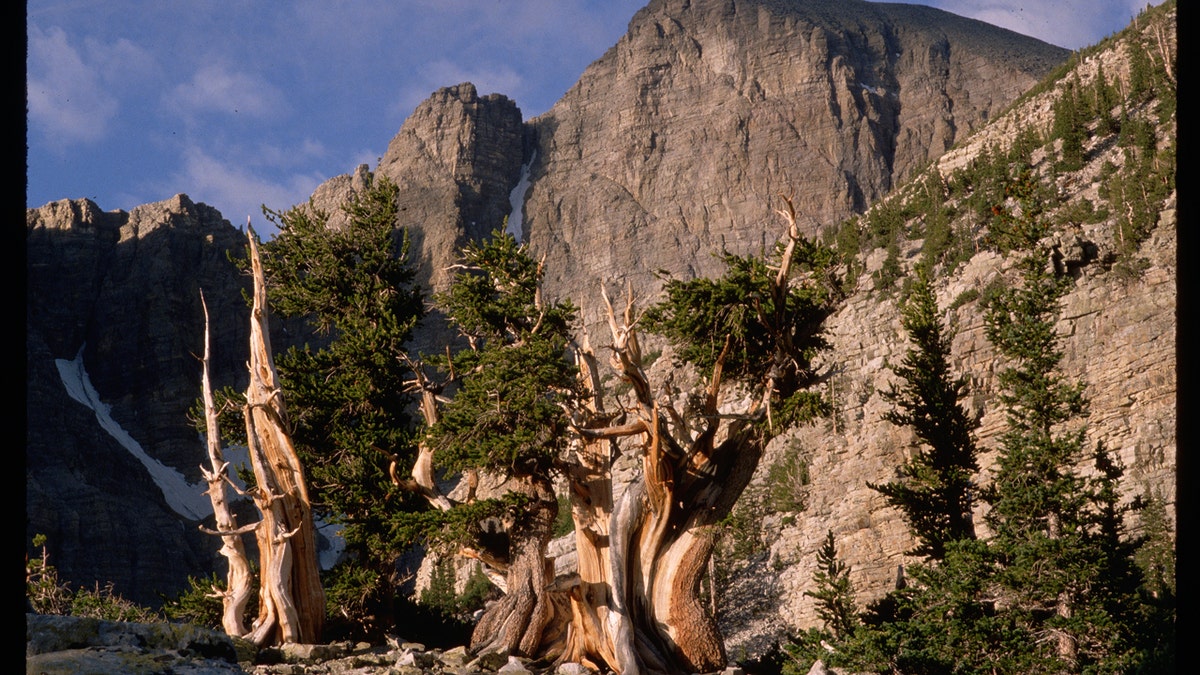
What followed was a devastating revelation. After the tree was felled, Curry counted the rings and discovered that Prometheus was not just old; it was nearly 5,000 years old, having survived since the time the Great Pyramids were being built.
The scientific community was horrified, and Curry retreated from dendrochronology, the study of tree rings, forever burdened by his role in the destruction of such an irreplaceable piece of history.
This incident sparked a profound shift in how scientists and conservationists viewed the relationship between discovery and preservation.
The lesson was clear: some trees, especially the oldest ones, must be kept hidden to protect them from the very attention that could lead to their demise.
As we journey through the Great Basin, we learn that the trees here have adapted to their harsh environment, employing a survival strategy that allows them to thrive in conditions that would spell doom for lesser species.
Their twisted forms tell a story of resilience, but they are not immune to the threats posed by human activity.
As we venture further into California’s White Mountains, we find ourselves in a place where the secrets of the oldest trees are even more closely guarded.
The bristlecone forests here are isolated, perched on high peaks that require a grueling hike to reach. The Forest Service has learned from past mistakes, implementing strict measures to ensure that these ancient giants remain undisturbed.
GPS coordinates of their locations are classified, and researchers are bound by agreements that prevent them from sharing information about these trees with the public.
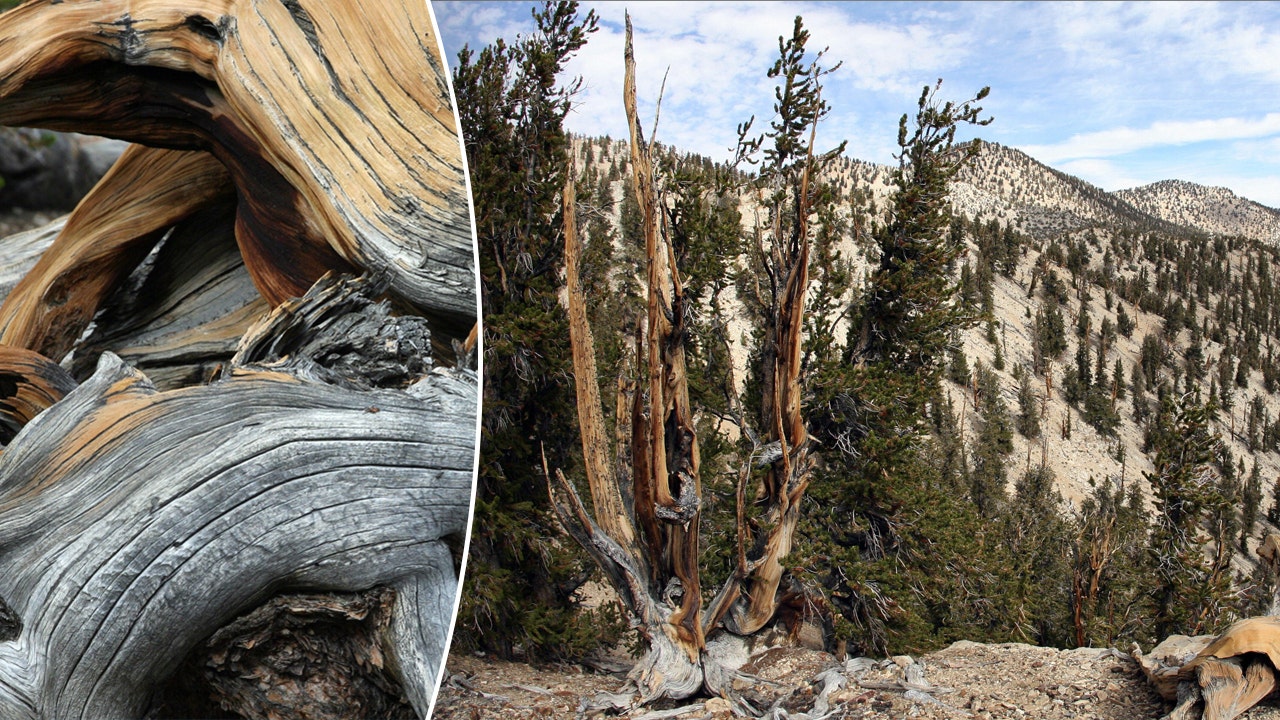
One such tree, Methuselah, is believed to be over 4,856 years old. Discovered in 1957 by dendrochronologist Edmund Schulman, its existence was initially celebrated.
However, the overwhelming public interest prompted conservationists to adopt a radical approach: they decided to protect Methuselah by hiding it in plain sight.
Although a trail leads visitors through the Methuselah Grove, no signs indicate which tree is the ancient sentinel, allowing it to exist in relative anonymity.
However, as the years passed, the secret began to leak. Through careful analysis of historical photos and documentaries, the location of Methuselah became an open secret.
Visitors now come with the intent of finding this legendary tree, leading to increased foot traffic and the potential for damage to the surrounding ecosystem. The delicate balance of protection and exposure hangs in the balance, as these ancient trees face new threats.
In a shocking twist, researchers have recently discovered an even older tree, one that surpasses Methuselah’s age.
Dendrochronologist Tom Harlan analyzed an old core sample taken by Schulman decades earlier and found a tree that is over 5,600 years old. However, Harlan kept the location of this remarkable specimen a closely guarded secret, never publishing the findings.
After his sudden death in 2013, the trail went cold, and the oldest living tree on Earth remains lost to science, hidden away in the mountains somewhere between Nevada and California.
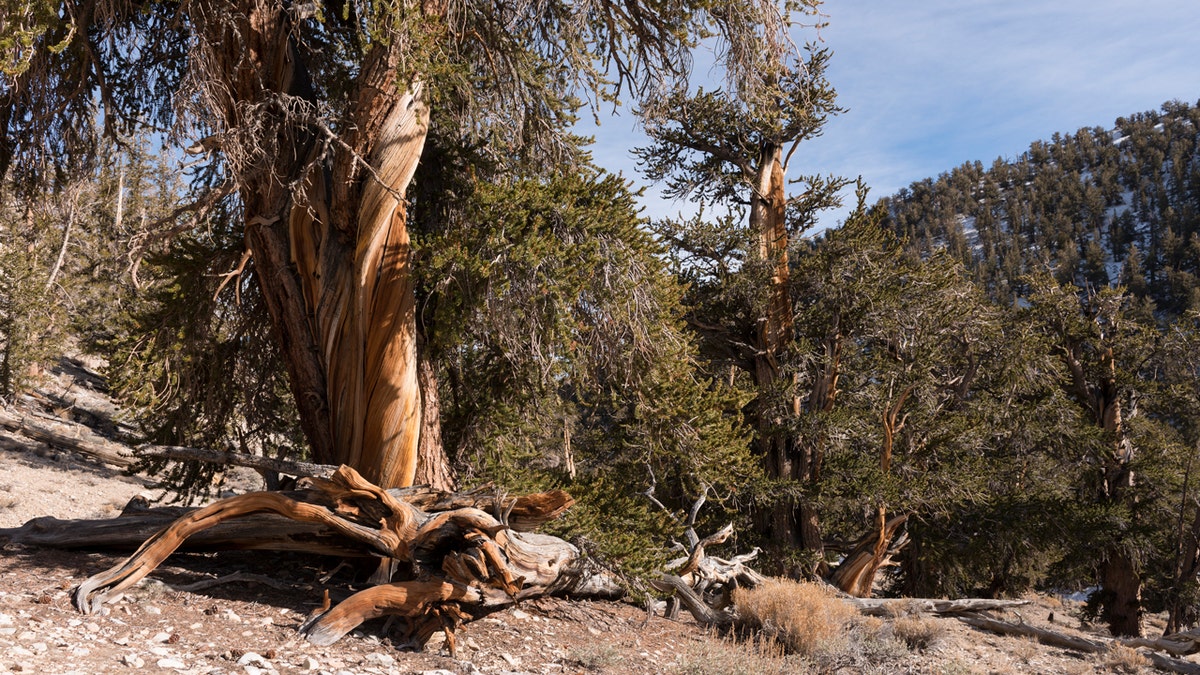
The implications of this secrecy extend beyond the trees themselves. Climate change poses a new threat, as warming temperatures allow bark beetles to invade bristlecone pines, compromising their survival.
Additionally, political pressures threaten the very protections that keep these ancient trees safe. Budget cuts and proposals to sell off federal lands jeopardize the resources necessary for maintaining the delicate ecosystems in which these trees thrive.
As we reflect on the fate of Methuselah and its fellow bristlecone pines, we are reminded of the lessons they offer. These trees, which have survived for millennia, have mastered the art of persistence.
They grow slowly, making each ring count, and adapt to their harsh environments. In contrast, human society often operates on a much shorter timeline, prioritizing immediate gains over long-term sustainability.
In a world that demands transparency and answers, perhaps it is time to embrace the value of secrets. Some things, like the location of the world’s oldest tree, may be too precious to expose to the glare of modern attention.
As we stand among these ancient sentinels, we come to understand that it is sometimes better to let them exist in peace, hidden away from the prying eyes of curiosity and the threats that come with fame.
After all, if we cannot protect these living treasures, maybe the best hope for them is that they remain undiscovered, safe from the relentless march of time and human interference.
News

Descubrimiento de una Civilización Perdida Bajo Angkor Wat: Un Enigma Científico
A vast urban network buried beneath Angkor Wat has been revealed through LiDAR and radar imaging, uncovering roads, canals, reservoirs,…

Palace Denies Prince Harry Informed Them About Canada Trip, but His Team Says He Did
Prince Harry traveled to Canada for Remembrance Day events, surprising Buckingham Palace aides despite his team claiming they informed them….
Exiled and Exposed! Former Prince Andrew Spotted Riding Alone at Windsor as Royal Titles Erased and Falklands Honors Vanish!
Former Prince Andrew was spotted horseback riding at Windsor Castle for the first time since losing his royal titles and…

BBC Issues Rare Apology to Kate Middleton After Remembrance Broadcast Backlash
The network received criticism over the Princess of Wales’ titles after covering the royal family’s Remembrance tributes In…

Wall Street in ‘extreme fear’ as stocks plunge AGAIN amid fears world’s biggest company is a dud
Wall Street suffered another sharp sell-off as major indexes and Bitcoin extended their steep November declines. Investors are gripped by…

NASA’s Stunning Revelation: Interstellar Object 3I/ATLAS Faces Catastrophic CME Impact!
NASA announced that the interstellar object 3I/ATLAS is about to be struck by a solar coronal mass ejection, potentially triggering…
End of content
No more pages to load