Pam Beesly’s journey in The Office highlights her ongoing struggle with confidence, self-doubt, and the pressure to meet others’ expectations.

In the beloved sitcom “The Office,” Pam Beesly, portrayed by Jenna Fischer, emerges as a character who resonates deeply with many viewers.
Initially introduced as a quiet receptionist with dreams that seem just out of reach, Pam’s journey throughout the series is anything but straightforward.
While she occasionally makes strides toward self-empowerment, the show often pulls her back into familiar patterns of self-doubt and complacency.
This complex character arc raises significant questions about confidence, personal growth, and the societal pressures that women face.
From the very beginning, Pam’s character is marked by a profound lack of confidence. When we first meet her, she is not only stuck in a job that doesn’t fulfill her but is also in a relationship with her overbearing high school boyfriend, Roy, who fails to appreciate her true worth.
Pam’s willingness to go along with the flow and prioritize others’ happiness over her own desires traps her in a life that feels stagnant and unfulfilling.
She often expresses her doubts, saying, “I don’t think it’s many little girls’ dream to be a receptionist,” highlighting her internal struggle.
As the series progresses, we witness Pam’s gradual awakening to the possibility of a life beyond her current circumstances. She begins to explore her interests, particularly her passion for art, and takes steps to redefine herself.
However, this journey is fraught with challenges. Despite her newfound determination, Pam often finds herself slipping back into old habits, especially when faced with the pressures of her environment and the expectations of those around her.
The cyclical nature of her growth and setbacks is painfully relatable, reflecting the real-life struggles many individuals face when trying to break free from the roles society has imposed on them.
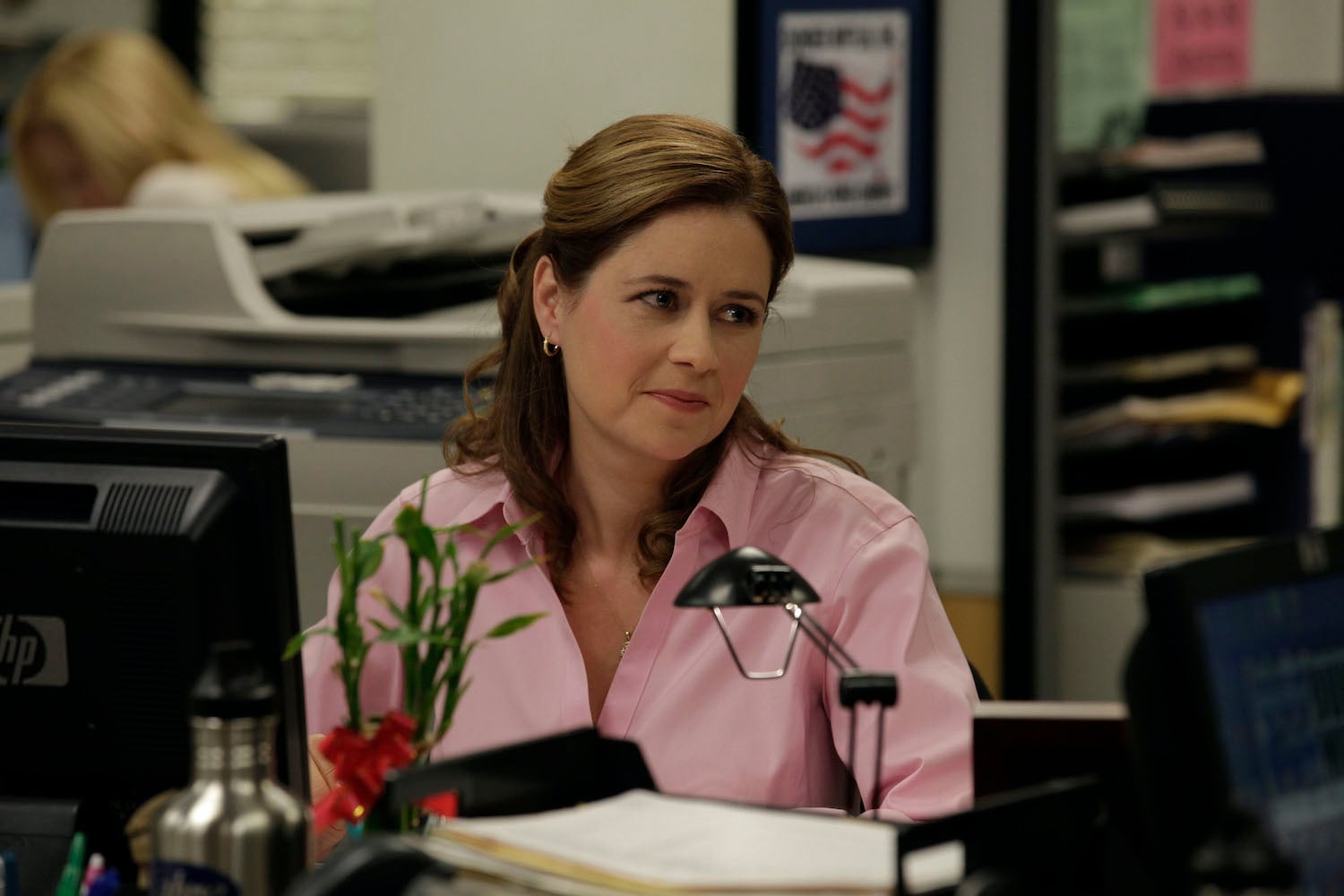
One of the most pivotal moments in Pam’s story occurs when she decides not to go through with her wedding to Roy. This decision, made just days before the ceremony, marks a significant turning point for her character.
It symbolizes her first real act of defiance against a life that has been dictated by others. Yet, even as she takes this bold step, the show continues to place obstacles in her path, preventing her from achieving a sustained sense of self-actualization.
Pam’s attempts to assert herself often lead to disappointment, reinforcing her fear of failure. For instance, her venture into art school initially seems promising but ultimately becomes overwhelming.
Instead of embracing the challenge, she retreats back to her role as a receptionist, a position that feels safe yet unfulfilling. This pattern of backsliding is not uncommon; many people can relate to the fear of stepping outside their comfort zones, especially when the stakes feel high.
As Pam navigates her career, she faces additional hurdles. Her transition into a sales position, intended to provide her with a sense of fulfillment and agency, instead leads to feelings of inadequacy.
Rather than embracing her new role, she finds herself longing for the comfort of her previous position. This internal conflict highlights the difficulty of making significant life changes and the emotional toll that comes with it.
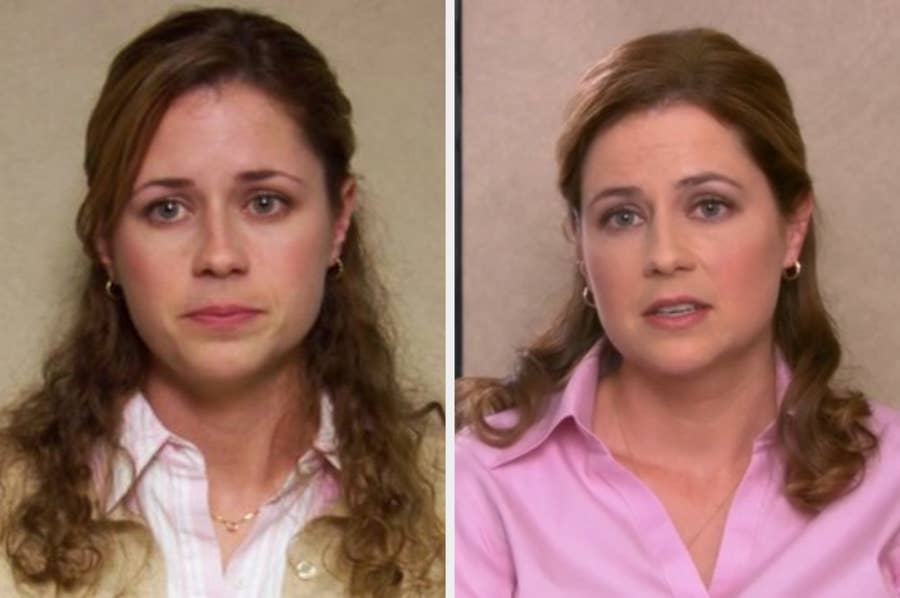
Throughout her journey, Pam’s relationships play a crucial role in shaping her confidence. While Michael, her boss, is one of the few characters who consistently supports her, his encouragement often feels conditional.
Jim, her eventual love interest, initially seems to believe in her potential, but as their relationship develops, he too falls into patterns of taking her for granted.
This dynamic underscores the importance of mutual support in relationships and the impact that perceived neglect can have on an individual’s self-esteem.
Pam’s struggles are further compounded by the societal expectations placed on women, particularly regarding motherhood. After having children, she feels the weight of traditional gender roles pressing down on her, often sacrificing her own ambitions for the sake of her family.
This experience resonates with many mothers who find themselves caught in the balancing act of nurturing their children while trying to maintain their identities.
The show poignantly captures the tension between personal aspirations and familial responsibilities, highlighting a reality that many women face.
In a particularly revealing moment, Pam enters a situationship with Brian, a documentary operator, when she feels neglected by Jim. This brief encounter serves as a wake-up call, forcing her to confront her feelings of inadequacy and the need for validation.
However, rather than using this experience as an opportunity for growth, she ultimately chooses to remain in her comfort zone, allowing Jim’s ambitions to overshadow her own.
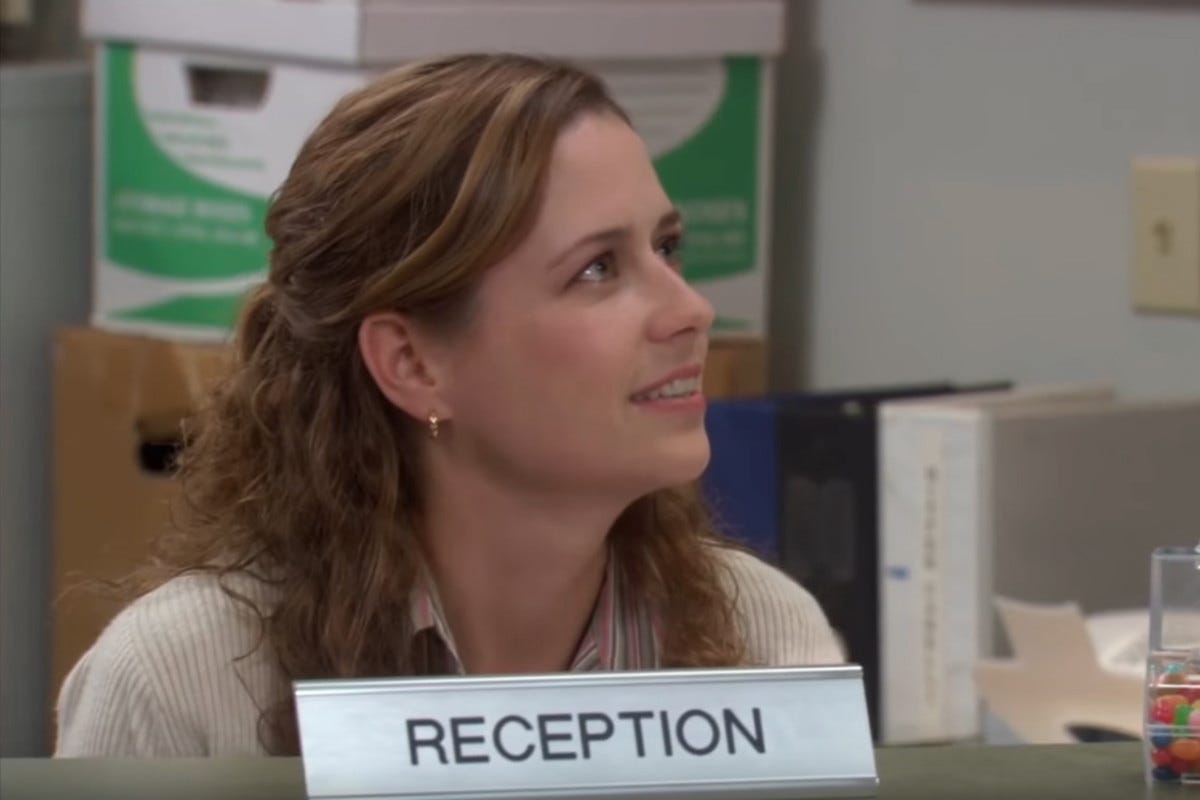
As the series concludes, Pam’s character arc leaves viewers with mixed emotions. While she has experienced moments of empowerment, she often reverts to her passive role, allowing life to happen to her rather than actively pursuing her desires.
This portrayal is not merely a narrative choice but reflects a broader commentary on the challenges faced by women in a patriarchal society. The struggle to assert oneself and the fear of failure can be paralyzing, making it difficult to pursue dreams actively.
The most significant takeaway from Pam’s journey is the importance of self-belief and the courage to prioritize one’s own needs. The show serves as a reminder that personal growth is not a linear process; it is filled with ups and downs, victories and setbacks.
While Pam’s confidence journey may not fit the traditional mold of success, it is undeniably relatable to anyone who has grappled with self-doubt and the pressures of external expectations.
Ultimately, Pam Beesly’s story is a poignant exploration of the complexities of confidence, identity, and the societal forces that shape our lives.
By examining her struggles, viewers are encouraged to reflect on their own journeys and consider the importance of believing in themselves, regardless of the obstacles they may face.
In a world where women are often socialized to prioritize others’ happiness over their own, Pam’s story serves as a powerful reminder to check in with ourselves and pursue our dreams—big or small.
News

Descubrimiento de una Civilización Perdida Bajo Angkor Wat: Un Enigma Científico
A vast urban network buried beneath Angkor Wat has been revealed through LiDAR and radar imaging, uncovering roads, canals, reservoirs,…

Palace Denies Prince Harry Informed Them About Canada Trip, but His Team Says He Did
Prince Harry traveled to Canada for Remembrance Day events, surprising Buckingham Palace aides despite his team claiming they informed them….

Exiled and Exposed! Former Prince Andrew Spotted Riding Alone at Windsor as Royal Titles Erased and Falklands Honors Vanish!
Former Prince Andrew was spotted horseback riding at Windsor Castle for the first time since losing his royal titles and…
BBC Issues Rare Apology to Kate Middleton After Remembrance Broadcast Backlash
The network received criticism over the Princess of Wales’ titles after covering the royal family’s Remembrance tributes In…

Wall Street in ‘extreme fear’ as stocks plunge AGAIN amid fears world’s biggest company is a dud
Wall Street suffered another sharp sell-off as major indexes and Bitcoin extended their steep November declines. Investors are gripped by…

NASA’s Stunning Revelation: Interstellar Object 3I/ATLAS Faces Catastrophic CME Impact!
NASA announced that the interstellar object 3I/ATLAS is about to be struck by a solar coronal mass ejection, potentially triggering…
End of content
No more pages to load