
New research confirms that Stonehenge was built by skilled ancient humans using innovative tools and techniques. Evidence shows the stones were transported from distant regions, revealing complex organization and trade networks.
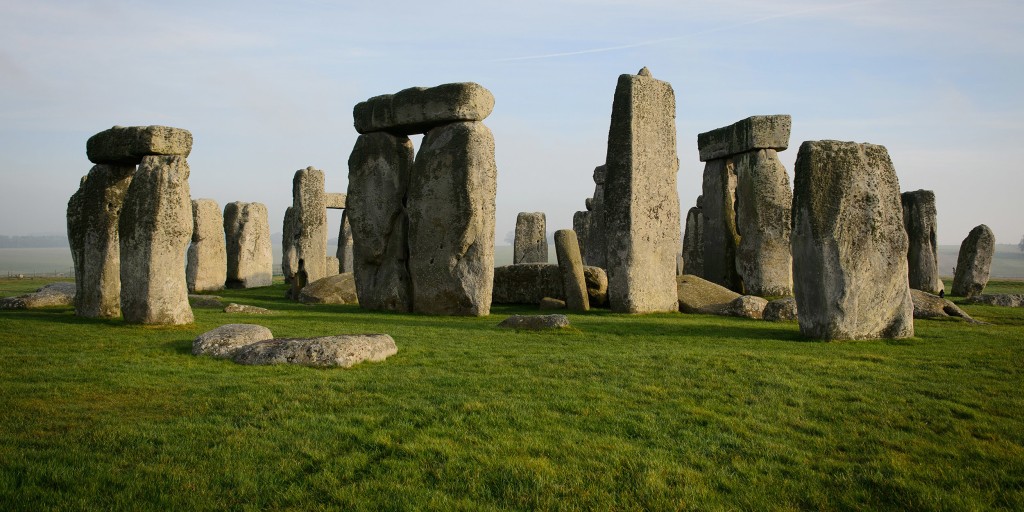
For centuries, Stonehenge has captivated the imagination of historians, archaeologists, and the general public alike.
This iconic monument, located in the English countryside, has long been shrouded in mystery, with theories ranging from ancient burial grounds to astronomical calendars.
However, new discoveries have emerged that not only challenge our understanding of this ancient site but also reveal a startling truth: Stonehenge was constructed through human ingenuity and effort, not by magical means or divine intervention.
Recent research has unveiled compelling evidence that the massive stones of Stonehenge were not simply placed there by unknown forces but were transported by skilled individuals who possessed advanced knowledge and techniques for their time.
The sheer size and weight of these stones—some weighing as much as 70 tons—have long puzzled experts.
How did ancient people manage to move such colossal objects without modern machinery? The answer lies in their remarkable resourcefulness and teamwork.
Archaeologists have discovered that the builders of Stonehenge utilized tools and methods available to them, such as wooden sledges and ropes, to transport these heavy stones over great distances.
Incredibly, some of the smaller stones, known as bluestones, originated from Wales—a staggering 125 miles away from the site.
This revelation indicates that the builders were not only physically capable but also organized and determined, showcasing a level of sophistication that challenges previous assumptions about prehistoric societies.
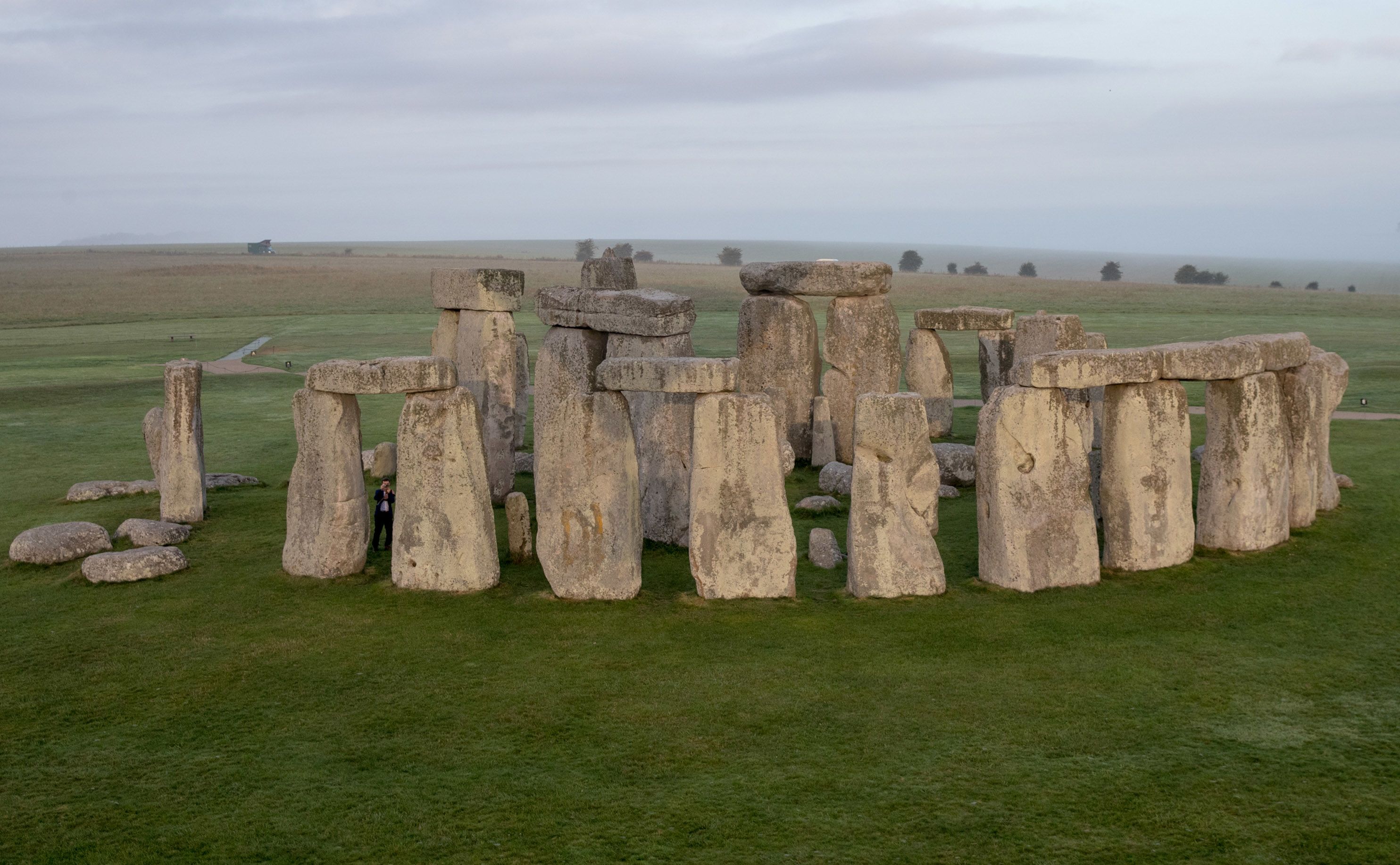
The latest findings suggest that Stonehenge may have served as a solar calendar, meticulously designed to track the passage of time.
A professor from Bournemouth University has proposed that the arrangement of the large sarsen stones corresponds to a calendar system, with each stone representing a day of the month.
This innovative design would have allowed ancient communities to better plan agricultural activities, religious ceremonies, and seasonal celebrations, emphasizing the importance of timekeeping in their daily lives.
Moreover, researchers from the University of Salford conducted experiments to examine the acoustics within the Stonehenge circle. They found that while external sounds were muted, voices and music resonated powerfully inside the stone structure.
This suggests that the site may have hosted significant ceremonies where sound played a crucial role, further enhancing its status as a center of cultural and spiritual significance.
The legends surrounding Stonehenge have often included fantastical tales of wizards and giants. One popular myth claims that the stones were magically transported from Ireland by the wizard Merlin.
However, modern science has debunked these myths, providing a clearer picture of the monument’s origins.
Investigations into the Newall Boulder, a stone closely associated with Stonehenge, revealed that it shares geological characteristics with stones from Craig Rhos-y-felin in Wales.
This evidence confirms that the stones were moved by human hands, dispelling the notion of supernatural involvement.
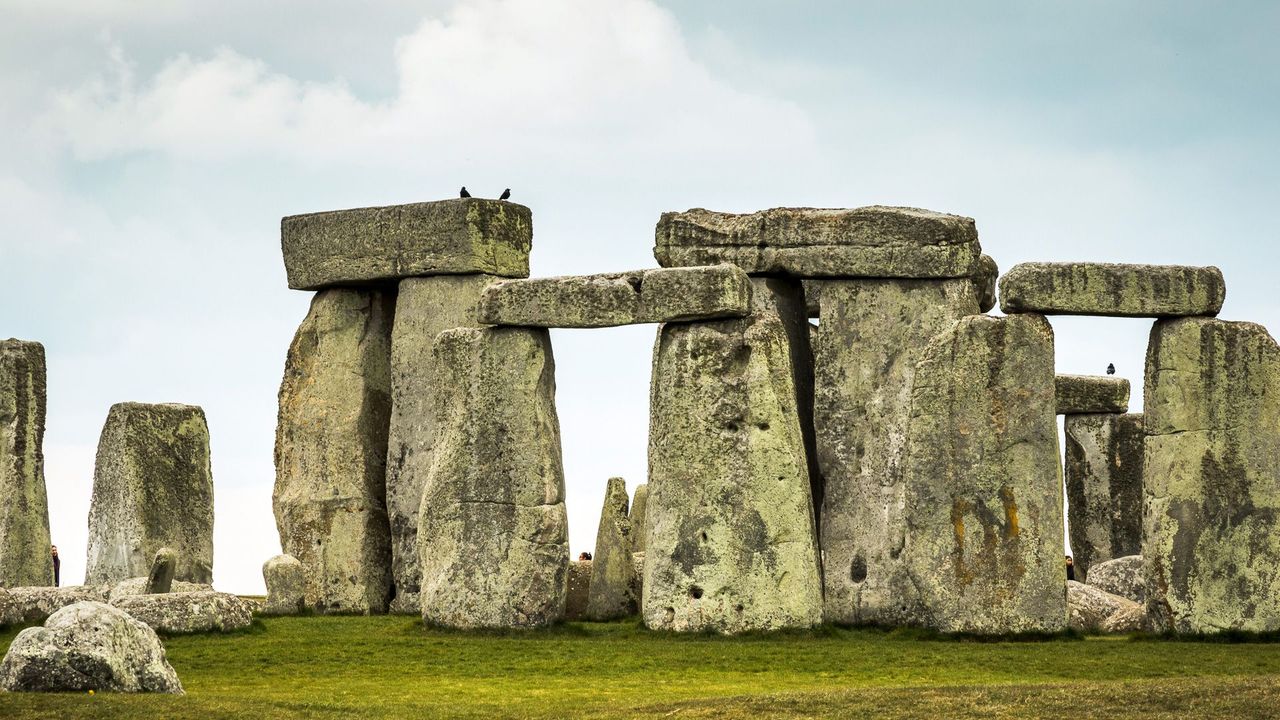
In a groundbreaking study published in the journal *Nature*, researchers have also uncovered new information about the altar stone, once thought to have originated from Wales.
Recent analyses indicate that this significant stone actually came from the Orcadian Basin in northeastern Scotland.
This revelation not only alters the narrative of Stonehenge’s construction but also highlights the extensive trade and communication networks that existed among ancient communities across Britain.
The discovery of cremated human remains during early excavations at Stonehenge has provided further insight into its builders.
Archaeologists believe that the site was constructed during the Bronze Age, a period marked by the emergence of metal tools and advanced craftsmanship.
The connection to the Bell Beaker people—an ancient culture known for their distinctive pottery and metalworking—suggests that these individuals played a pivotal role in the monument’s construction, showcasing their technological prowess and cultural significance.
Recent excavations have also revealed that some of the stones used in Stonehenge were repurposed from an earlier stone circle located in Wales.
This finding underscores the idea that the builders of Stonehenge were not merely constructing a monument but were part of a larger, interconnected sacred landscape that held deep spiritual meaning for their communities.
The act of moving these stones, believed to carry cultural significance, reflects the importance of shared beliefs and traditions among ancient peoples.

As researchers continue to explore the depths of Stonehenge’s history, they are uncovering layers of complexity that challenge long-held beliefs about its purpose and significance.
The latest studies suggest that Stonehenge was not an isolated structure but rather a central hub within a vast network of sacred sites, burial mounds, and ceremonial landscapes.
This interconnectedness highlights the collaborative efforts of diverse communities across Britain, revealing a rich tapestry of cultural exchange and shared rituals.
The myths and mistaken theories surrounding Stonehenge’s builders have persisted for centuries, but modern science is gradually unraveling the truth.
The notion that giants or druids constructed the monument has been debunked, as archaeological evidence points to human builders who possessed remarkable skills and knowledge.
The construction of Stonehenge was not merely a monumental task; it was a testament to the resilience, creativity, and determination of ancient societies.
In conclusion, the revelations surrounding Stonehenge serve as a powerful reminder of humanity’s capacity for innovation and collaboration.
As we uncover the mysteries of this ancient monument, we gain a deeper appreciation for the people who built it—individuals who were not only skilled laborers but also visionaries who sought to create a lasting legacy.
The story of Stonehenge is not just about stones and structures;
it is about the enduring spirit of human endeavor and the quest for understanding in a world filled with wonder and mystery. As we continue to explore the secrets buried beneath the earth, we invite you to join us on this journey of discovery and revelation.

News

Doomsday From the Sky: The Shocking New Timeline of the Day the Dinosaurs Were Erased
A reconstructed scientific timeline details the minute-by-minute destruction unleashed when the Chicxulub asteroid struck Earth 65 million years ago. …

Descubrimiento de una Civilización Perdida Bajo Angkor Wat: Un Enigma Científico
A vast urban network buried beneath Angkor Wat has been revealed through LiDAR and radar imaging, uncovering roads, canals, reservoirs,…

Palace Denies Prince Harry Informed Them About Canada Trip, but His Team Says He Did
Prince Harry traveled to Canada for Remembrance Day events, surprising Buckingham Palace aides despite his team claiming they informed them….

Exiled and Exposed! Former Prince Andrew Spotted Riding Alone at Windsor as Royal Titles Erased and Falklands Honors Vanish!
Former Prince Andrew was spotted horseback riding at Windsor Castle for the first time since losing his royal titles and…

BBC Issues Rare Apology to Kate Middleton After Remembrance Broadcast Backlash
The network received criticism over the Princess of Wales’ titles after covering the royal family’s Remembrance tributes In…

Wall Street in ‘extreme fear’ as stocks plunge AGAIN amid fears world’s biggest company is a dud
Wall Street suffered another sharp sell-off as major indexes and Bitcoin extended their steep November declines. Investors are gripped by…
End of content
No more pages to load






