
Jack the Ripper’s identity may have been revealed after 137 years through DNA evidence linking Aaron Kosminski to the crimes. A shawl believed to belong to victim Catherine Eddowes provided genetic clues pointing to the long-suspected suspect.
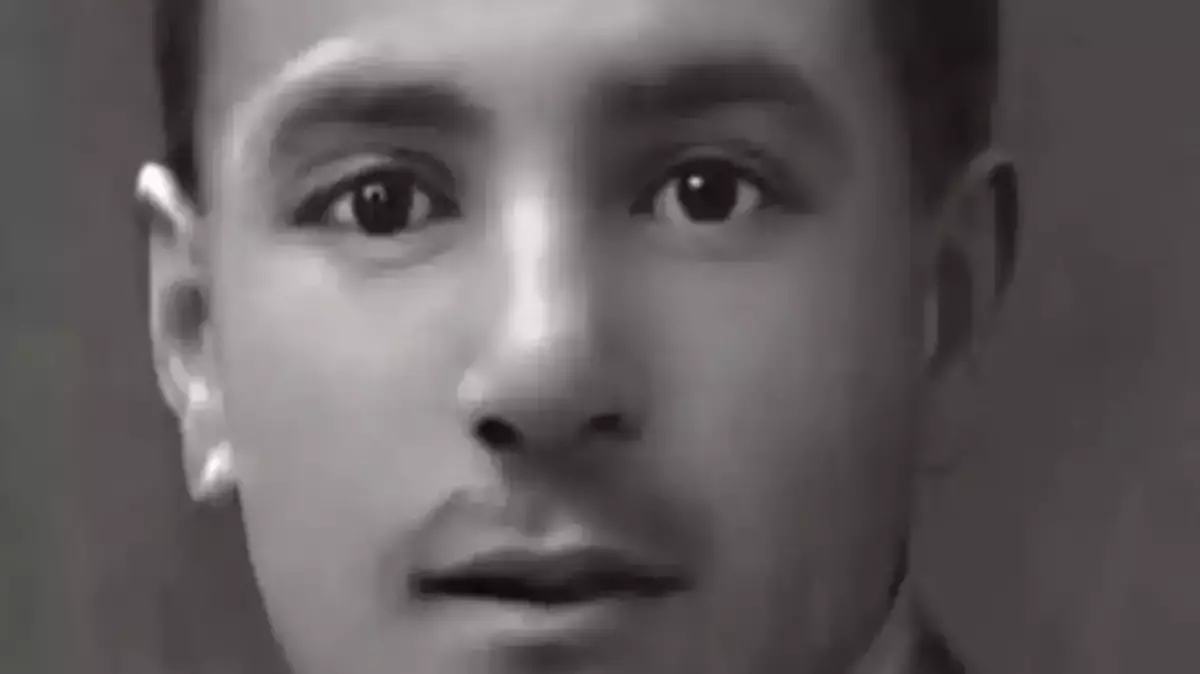
For over a century, the chilling mystery of Jack the Ripper has haunted the streets of London, leaving a trail of fear and speculation in its wake.
This infamous serial killer, whose gruesome crimes terrorized the Whitechapel district in 1888, has captivated the world’s imagination, yet his true identity remained shrouded in darkness—until now.
In a groundbreaking revelation, we are about to rewrite history and unveil the long-awaited truth behind one of the most notorious figures in criminal history.
The backdrop of this harrowing tale is the late 19th century, a time when the East End of London was a stark reflection of urban poverty and social upheaval.
Whitechapel, a labyrinth of grimy streets, was overcrowded with destitute families and immigrants struggling to survive amidst squalid living conditions.
By 1888, this district had become a hotbed for crime and despair, setting the stage for the emergence of a killer whose name would become synonymous with terror.
The murders attributed to Jack the Ripper unfolded over a brief but intense period from August to November of 1888. The reign of terror began with the brutal killing of Mary Ann Nichols on August 31, followed by Annie Chapman just days later.
These initial victims, both local women grappling with poverty and addiction, were murdered in a savage manner that shocked the public and law enforcement alike.
The mutilations suggested that the perpetrator possessed a disturbing level of anatomical knowledge, igniting fears that a monster was on the loose.

As the body count rose, the killer’s notoriety grew. Elizabeth Stride and Catherine Eddowes were brutally murdered on the same night, September 30, 1888, intensifying the panic gripping London.
The final canonical victim, Mary Jane Kelly, was discovered on November 9 in her own lodgings, her injuries so horrific that they epitomized the killer’s brutal signature.
These five murders, known as the “canonical five,” remain the most widely accepted as the work of the same individual, although numerous other unsolved murders have been speculated to be connected to the Ripper.
The impact of these murders on Victorian society was profound, amplifying Whitechapel’s already precarious reputation as a dangerous place.
The violence and mystery surrounding the killings fed into broader anxieties about urbanization and class divisions, while simultaneously exposing the stark inequalities faced by the urban poor.
The media frenzy that ensued became a defining feature of the case, with newspapers sensationalizing the events and coining the name “Jack the Ripper” after receiving a letter purportedly from the killer himself.
Despite extensive investigations by the Metropolitan Police and numerous suspects being proposed—from local butchers to members of the aristocracy—the killer eluded capture.
The chaotic nature of Whitechapel, coupled with a lack of trust between residents and law enforcement, allowed many potential leads to go cold.
The Ripper’s ability to evade capture sparked rampant speculation and conspiracy theories, further deepening the public’s obsession with the case.
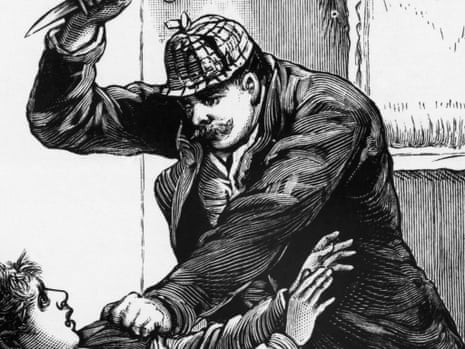
Fast forward to the 21st century, where a dramatic twist in the Jack the Ripper saga has emerged. Historian Russell Edwards has reignited hopes of unmasking the elusive killer through modern DNA analysis.
His groundbreaking research centers around a shawl believed to belong to Catherine Eddowes, one of the Ripper’s victims.
Acquired by Edwards in 2007, the shawl was said to have been found near her mutilated body and has been the subject of much debate regarding its authenticity.
Teaming up with Doctor Jari Louhelainen, a molecular biologist, Edwards examined the shawl for genetic evidence.
Using mitochondrial DNA testing, they successfully extracted two distinct genetic profiles: one matching Eddowes and the other linked to Aaron Kosminski, a Polish barber and long-suspected suspect in the Ripper case.
Kosminski, who lived in Whitechapel during the murders, was known to have had schizophrenia and a violent past. His occupation as a barber provided him with the anatomical knowledge that the killer displayed.
The implications of this DNA breakthrough are staggering. If accepted widely, it could definitively link Kosminski to the gruesome crimes that terrorized Victorian London.
This revelation not only brings closure to a haunting mystery but also honors the memory of the five women whose lives were tragically cut short.
As descendants of the victims finally see a glimmer of resolution in a mystery that has haunted their heritage, the historical weight of this discovery cannot be overstated.

However, the scientific community remains cautious. Questions about the provenance of the shawl and the possibility of contamination have arisen, leading to skepticism about the findings.
Despite these concerns, the research has opened new avenues for investigating the Jack the Ripper case, transforming speculation into something that can be examined with the tools of modern genetics.
The role of forensic DNA testing in solving cold cases has evolved significantly since the first successful use of DNA evidence in a murder case in 1986.
Today, advanced techniques allow experts to analyze even the most degraded samples, offering fresh hope in the pursuit of justice for unsolved crimes. The Jack the Ripper case, long considered a closed chapter in history, may now be on the brink of resolution.
As we stand on the precipice of a potential breakthrough in understanding one of history’s most infamous killers, the question remains: will the true identity of Jack the Ripper finally be accepted, or will the shadows of doubt continue to linger?
Only time will tell, but one thing is certain—this chilling saga is far from over, and the revelations ahead promise to keep the world on the edge of its seat.
News

Doomsday From the Sky: The Shocking New Timeline of the Day the Dinosaurs Were Erased
A reconstructed scientific timeline details the minute-by-minute destruction unleashed when the Chicxulub asteroid struck Earth 65 million years ago. …

Descubrimiento de una Civilización Perdida Bajo Angkor Wat: Un Enigma Científico
A vast urban network buried beneath Angkor Wat has been revealed through LiDAR and radar imaging, uncovering roads, canals, reservoirs,…

Palace Denies Prince Harry Informed Them About Canada Trip, but His Team Says He Did
Prince Harry traveled to Canada for Remembrance Day events, surprising Buckingham Palace aides despite his team claiming they informed them….
Exiled and Exposed! Former Prince Andrew Spotted Riding Alone at Windsor as Royal Titles Erased and Falklands Honors Vanish!
Former Prince Andrew was spotted horseback riding at Windsor Castle for the first time since losing his royal titles and…
BBC Issues Rare Apology to Kate Middleton After Remembrance Broadcast Backlash
The network received criticism over the Princess of Wales’ titles after covering the royal family’s Remembrance tributes In…

Wall Street in ‘extreme fear’ as stocks plunge AGAIN amid fears world’s biggest company is a dud
Wall Street suffered another sharp sell-off as major indexes and Bitcoin extended their steep November declines. Investors are gripped by…
End of content
No more pages to load






