
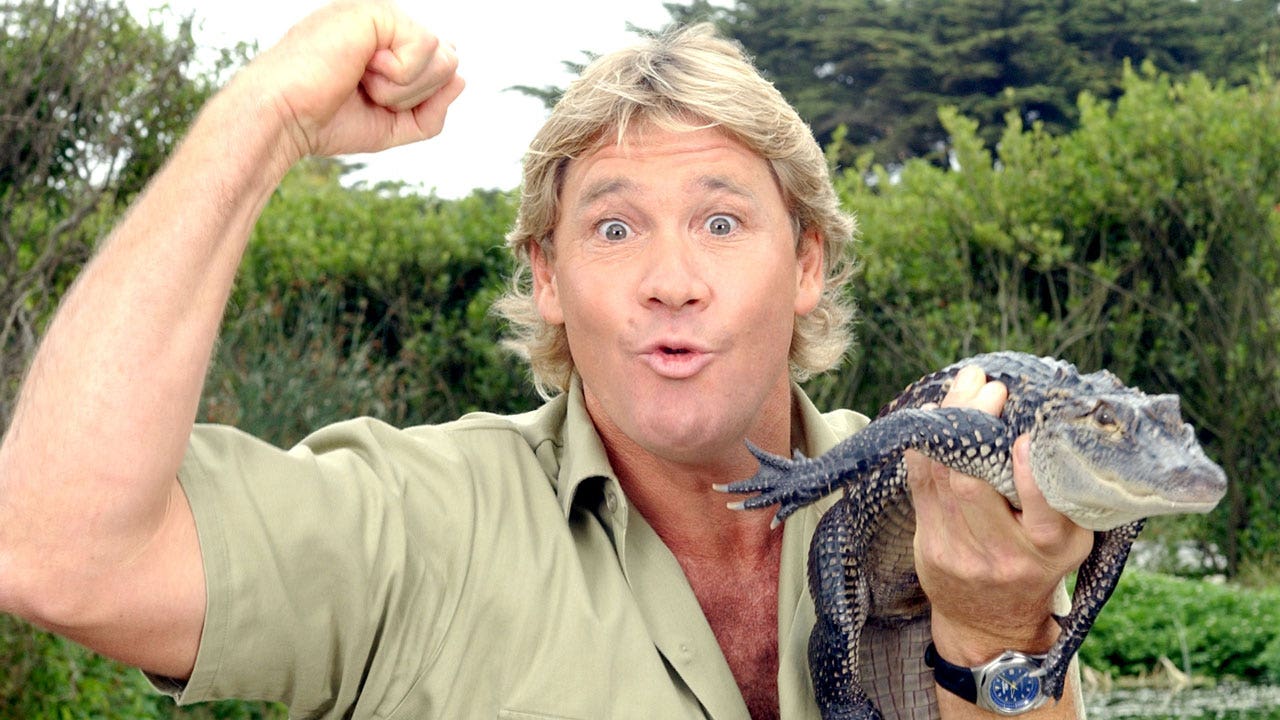
The crocodile was made famous when the late Steve Irwin captured him on his show, ‘The Crocodile Hunter’
:max_bytes(150000):strip_icc():focal(749x0:751x2):format(webp)/steve-irwin-crocodile-110425-09a6b5206148424ea7e3e9d68ccb2f72.jpg)
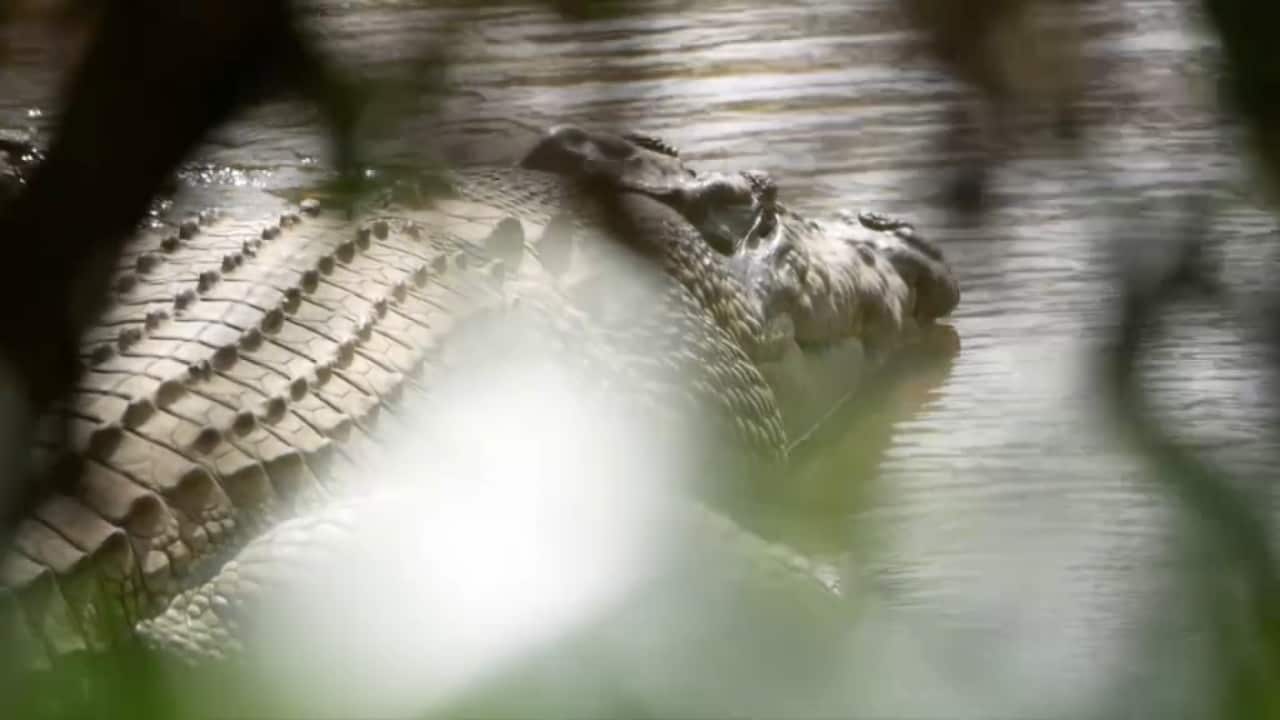
A move meant to ensure public safety has sparked a firestorm of controversy after Old Faithful, the giant saltwater crocodile made famous by the late Steve Irwin, was relocated from his Far North Queensland home to the Australia Zoo.
While the zoo celebrated the legendary croc’s new sanctuary, traditional owners and conservation advocates are furious, claiming that the relocation was done without proper consultation and has stripped the ancient predator of its natural freedom.
The iconic reptile, known for decades as a fixture of the wild rivers of Cape York and a star of The Crocodile Hunter, now faces life behind barriers, a far cry from the sprawling, untamed waterways it once called home.
Old Faithful first captured global attention decades ago when Steve Irwin encountered the colossal croc on his show, a moment that cemented the animal’s place in wildlife history.
The crocodile’s sheer size, power, and resilience made him both an awe-inspiring spectacle and a symbol of the Australian wilderness. For years, he swam vast distances, hunted freely, and became a living testament to the strength and independence of wild predators.
But earlier this week, the Australia Zoo announced via social media that Old Faithful had been relocated to its grounds after being deemed a “problem crocodile” in his native habitat.
In a post featuring archival footage of Irwin wrestling with the croc on camera, the zoo framed the move as an act of protection. “We couldn’t stand by and let him be sent to a crocodile farm… so we brought him to Australia Zoo to give the big guy a forever home.
We know Steve would be over the moon that we could have him here, in the sanctuary that he built, safe and sound to live out the rest of his days! 🥹” the post read.
:max_bytes(150000):strip_icc():focal(749x0:751x2):format(webp)/steve-irwin-old-faithful-110425-1-b66836590cd74ea29b0b4d427340d1f0.jpg)
Despite the zoo’s assurances, many are questioning whether a zoo is an appropriate home for a crocodile that has survived decades in the wild. Alwyn Lyall, chair of the Rinyirru (Lakefield) Aboriginal Corporation, expressed his outrage to the press.
“It’s like a thief in the night sort of rubbish?” he said, describing the relocation as both unauthorized and disrespectful.
According to Lyall, the croc holds immense cultural significance as a totemic figure for the region’s traditional owners. The crocodile’s removal from its native rivers, he emphasized, was done without any notice, consultation, or approval from Indigenous custodians.
“This crocodile comes from up here in Cape York. A zoo is the wrong place for that animal,” Lyall said, adding that a closer, more culturally appropriate facility exists in Babinda that could have allowed ongoing access for traditional custodians.
Conservation groups have also condemned the move, framing it as a troubling example of wildlife being repurposed for commercial gain.
Community Representation of Crocodiles (CROC), an advocacy organization focused on protecting Australia’s crocodile population, alleged that the decision-making process was opaque and rushed.
According to Amanda French, CROC’s co-founder, the relevant department initially requested additional time to justify the relocation but instead expedited both the paperwork and transport logistics.
“It’s incredibly sad that a crocodile that survived decades in the wild — swimming enormous distances, feeding on whatever he wants, mating with whomever he wants — is now sentenced to a lifetime in captivity… for tourists’ amusement,” French said.
She described the crocodile as now being treated primarily as a commercial opportunity, rather than a living creature with complex behavioral and ecological needs.
The tension highlights a broader conflict between public safety, cultural respect, and conservation priorities.
While authorities argued that the relocation was necessary to prevent potential human-crocodile conflicts, critics say that the move disregarded both Indigenous authority and the natural rights of a long-established wild animal.
Old Faithful’s capture underscores the challenge of balancing the safety of nearby communities with the welfare of iconic wildlife, particularly in a country where saltwater crocodiles have long coexisted with humans yet retain their dominance over the rivers they inhabit.
Adding to the controversy, many wildlife experts argue that even well-resourced zoos cannot replicate the ecological complexity and space of a river ecosystem, where crocodiles exercise instinctual behaviors crucial to their survival.
In captivity, these animals may face stress, altered diets, and a lack of natural challenges, all of which can affect their long-term health and well-being.
Advocates contend that for a crocodile of Old Faithful’s size, strength, and experience, a life in a controlled enclosure represents not a safe haven, but a severe curtailment of freedom.
The Australia Zoo, known worldwide for its ties to Steve Irwin’s conservation legacy, maintains that Old Faithful will receive “top-tier care” in a secure environment.
In its statement, the zoo emphasized that visitors will have the rare chance to see a historically significant crocodile up close, celebrating Irwin’s mission of wildlife education and public awareness.
The zoo’s post included guidance on avoiding crocodile encounters in the wild, urging people to stay away from water edges and refrain from leaving food near waterways, framing the relocation as both a protective measure and a continuation of Irwin’s vision.
Yet, for many in the Cape York region, the symbolic and ecological loss overshadows the educational benefits.
Local Indigenous leaders have voiced that the removal of such a culturally significant animal without proper engagement is a violation of traditional authority and an affront to the values of the community.
The debate now extends beyond a single crocodile, touching on the ethics of wildlife management, Indigenous consultation, and the commercial motivations that often drive decisions in conservation and tourism.
As the story unfolds, Old Faithful’s new life at the Australia Zoo will undoubtedly be watched closely,
not just by visitors hoping to catch a glimpse of a living legend, but by conservationists, Indigenous groups, and animal rights advocates who see in this relocation a cautionary tale about the limits of human control over nature.
For a creature that once commanded rivers, survived the trials of the wild, and captured hearts worldwide, the transition from untamed predator to captive icon raises pressing questions about the costs of fame, human interference, and the boundaries of wildlife stewardship.
Old Faithful now resides in a state-of-the-art enclosure, but the debate surrounding his move shows no signs of subsiding.
Critics continue to demand transparency, respect for cultural authority, and a reevaluation of policies that allow iconic wild animals to be uprooted from their homes.
Meanwhile, fans of Steve Irwin remember him as a champion for both people and animals, and many are watching to see whether this latest chapter in the crocodile’s life honors or contradicts the legacy of the legendary Crocodile Hunter.
News
Doomsday From the Sky: The Shocking New Timeline of the Day the Dinosaurs Were Erased
A reconstructed scientific timeline details the minute-by-minute destruction unleashed when the Chicxulub asteroid struck Earth 65 million years ago. …

Descubrimiento de una Civilización Perdida Bajo Angkor Wat: Un Enigma Científico
A vast urban network buried beneath Angkor Wat has been revealed through LiDAR and radar imaging, uncovering roads, canals, reservoirs,…

Palace Denies Prince Harry Informed Them About Canada Trip, but His Team Says He Did
Prince Harry traveled to Canada for Remembrance Day events, surprising Buckingham Palace aides despite his team claiming they informed them….
Exiled and Exposed! Former Prince Andrew Spotted Riding Alone at Windsor as Royal Titles Erased and Falklands Honors Vanish!
Former Prince Andrew was spotted horseback riding at Windsor Castle for the first time since losing his royal titles and…
BBC Issues Rare Apology to Kate Middleton After Remembrance Broadcast Backlash
The network received criticism over the Princess of Wales’ titles after covering the royal family’s Remembrance tributes In…

Wall Street in ‘extreme fear’ as stocks plunge AGAIN amid fears world’s biggest company is a dud
Wall Street suffered another sharp sell-off as major indexes and Bitcoin extended their steep November declines. Investors are gripped by…
End of content
No more pages to load






